Parents of children on the autism spectrum often face unique challenges when it comes to helping your autistic child build lasting friendships. Social interactions can feel overwhelming, but with the right approaches, your child can form deep, meaningful bonds. This guide shares evidence-based strategies drawn from the latest expert recommendations to empower your child's social success. Let's dive in and explore how small, consistent steps lead to big rewards. 😊
Understanding the Social Challenges in Autism
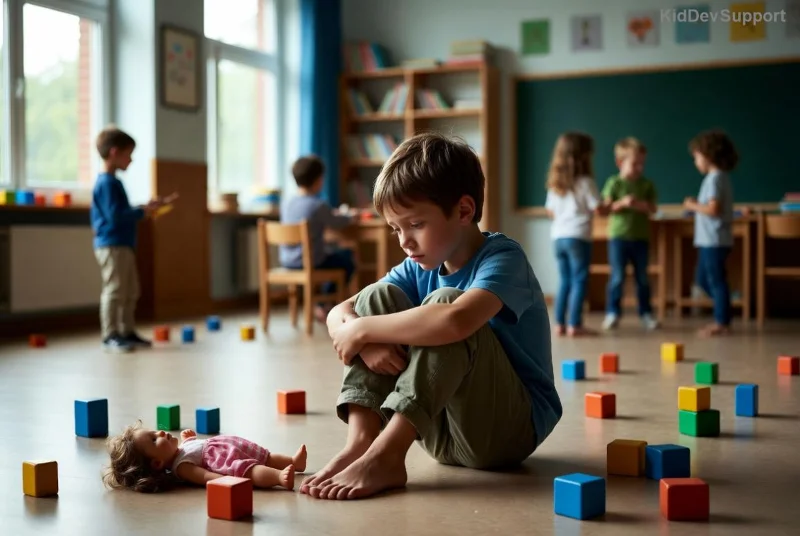
Children with autism spectrum disorder (ASD) may struggle with reading social cues, maintaining eye contact, or understanding sarcasm—common hurdles in building friendships. Recent studies highlight that early intervention improves social outcomes significantly. By recognizing these challenges, you can tailor support to your child's needs, setting the foundation for genuine connections.
Strategy 1: Teach Core Social Skills Through Play
Start with structured play to build essential skills like turn-taking and sharing. Use role-playing games where you act as a peer, practicing phrases like "Want to play together?" Tools like social stories—short narratives explaining social scenarios—have shown great success in recent therapeutic models.
- ✅ Practice greetings and goodbyes daily.
- ✅ Use visual aids, such as emotion cards, to identify feelings.
- ✅ Reward small wins with praise to build confidence.
Strategy 2: Choose the Right Environments for Interaction
Not all settings are equal. Opt for low-pressure environments like structured clubs or autism-friendly groups. Interest-based activities, such as robotics or art classes, naturally foster bonds around shared passions, making autistic child friendships easier to form.
| Environment |
Benefits |
Examples |
| Structured Playgroups |
predictable routines reduce anxiety |
Autism-specific meetups |
| Interest Clubs |
common hobbies spark conversations |
Chess clubs, gaming groups |
| School Buddy Systems |
peer pairing builds daily habits |
Trained peer mentors |
Strategy 3: Leverage Therapy and Professional Support
Applied Behavior Analysis (ABA) and Social Skills Training Groups remain gold standards in the latest guidelines. Occupational therapy can address sensory issues that hinder playdates. Consult a specialist for personalized plans—many programs now integrate virtual reality for safe social practice.
For more resources, check Autism Speaks toolkits.
Strategy 4: Empower Peer Interactions at Home
Host playdates with clear agendas: 30 minutes of a favorite game, followed by a snack break. Prepare your child with "what if" scenarios, like "What if your friend wants to change the game?" This proactive parenting turns home into a friendship lab.
![Autistic children playing together]()
Strategy 5: Foster Emotional Intelligence
Building friendships for autistic children requires understanding emotions. Apps and games teaching empathy, like those simulating conversations, align with cutting-edge digital therapeutics. Encourage journaling feelings post-interaction to reflect and grow.
- Model empathy: "I see you're sad—want a hug?"
- Read books on friendship with autistic protagonists.
- Discuss TV show characters' relationships.
Strategy 6: Monitor and Celebrate Progress
Track friendships with a simple journal: note interactions, successes, and areas for improvement. Celebrate milestones, like a first sleepover invite, with family rewards. Consistency here sustains motivation, turning fleeting playmates into lifelong friends.
Strategy 7: Involve School and Community
Collaborate with teachers for inclusive activities and IEPs focused on social goals. Community programs, including peer buddy systems, amplify efforts. Recent initiatives emphasize neurodiversity-affirming approaches, celebrating your child's unique strengths in friendships.
Autism social skills development thrives on teamwork—your involvement bridges gaps.
Common Pitfalls to Avoid
Forcing interactions can backfire, leading to withdrawal. Instead, follow your child's pace. Over-scheduling drains energy, so balance with downtime. Patience is key; progress may be gradual but profound.
Real Parent Success Stories
One parent shared: "After social skills groups, my son hosted his first game night—pure joy!" These stories remind us that persistence pays off in helping your autistic child build lasting friendships.
Final Thoughts: Your Child's Friendship Future Starts Today
By implementing these strategies, you're not just teaching skills—you're opening doors to joy, support, and belonging. Start small, stay consistent, and watch your child thrive. What's one step you'll take this week? Share in the comments below. For tailored advice, consult professionals early. Your journey to stronger bonds begins now. 🌟