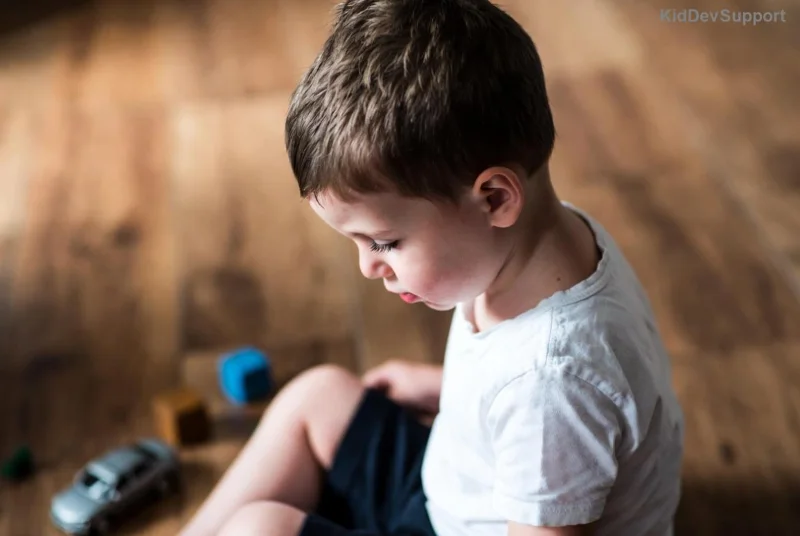
Parenting a child with autism spectrum disorder (ASD) comes with unique challenges, especially when irritability, aggression, or self-injury disrupt daily life. If you're searching for effective solutions, risperidone often surfaces as a go-to autism medication. But is it truly right for your autistic child? This guide breaks down the facts, drawing from the latest clinical insights, to help you make an informed decision. Stick around to uncover personalized considerations that could transform your approach to autism treatment.

What Is Risperidone and How Does It Work for Autism?
Risperidone, sold under brand names like Risperdal, is an atypical antipsychotic medication primarily used to balance brain chemicals like dopamine and serotonin. In the context of autistic children, it's FDA-approved specifically for treating irritability associated with autism in kids aged 5-16. The latest studies confirm it significantly reduces tantrums, aggression, and self-harming behaviors—symptoms that affect up to 70% of children with ASD.
Unlike stimulants or antidepressants, risperidone for autism targets hyperactivity in specific neural pathways, promoting calmer responses without sedation in most cases. But effectiveness varies: it shines brightest for severe behavioral issues unresponsive to therapy alone. Curious about real-world results? Recent meta-analyses show 60-70% improvement rates in core symptoms.
Key Benefits of Risperidone for Your Autistic Child
When behavioral interventions fall short, risperidone offers tangible relief. Here's why parents report life-changing outcomes:
- Reduces Irritability: Clinical trials demonstrate up to 50% drop in aggressive outbursts within weeks.
- Improves Family Dynamics: Less disruption means more quality time and better sleep for everyone 🏡.
- Supports Therapy: Pairs well with ABA or CBT, amplifying non-drug strategies.
- Flexible Dosing: Starts low (0.25-0.5mg/day) and titrates based on response, minimizing overload.
| Benefit | Evidence from Latest Research | Typical Timeline |
|---|
| Irritability Reduction | 69% response rate in pivotal studies | 2-8 weeks |
| Aggression Control | 57% decrease in episodes | 4-12 weeks |
| Sleep Improvement | Indirect via calmer mood | 1-4 weeks |
These gains aren't hype— they're backed by rigorous data. But before starting, weigh the risks ahead to see if it aligns with your child's profile.
Potential Side Effects and Risks of Risperidone in Autistic Children
No autism medication is risk-free, and risperidone side effects deserve close scrutiny. Common issues include:
- Weight Gain: Up to 4kg in the first 6 months—monitor diet closely.
- Sedation and Fatigue: Affects 20-30% initially; often resolves.
- Prolactin Elevation: May cause breast enlargement or irregular periods in teens.
- Metabolic Changes: Slight risk of high blood sugar or cholesterol.
Rare but serious: extrapyramidal symptoms (tremors) or tardive dyskinesia. The newest guidelines emphasize regular bloodwork and weight checks every 3 months. For context, a comprehensive review of over 1,000 autistic children found 80% tolerate it well long-term with monitoring. Always discuss with a pediatric psychiatrist 🩺.
![Medical professional discussing autism treatment]()
Who Should Consider Risperidone for Autism? Dosage and Monitoring Guide
Not every autistic child needs risperidone. It's ideal for:
- Severe, therapy-resistant irritability.
- Aggression risking safety.
- Children over 5 without metabolic issues.
Dosage: 0.5-3mg/day, split doses. Start low, go slow. Monitoring includes:
| Check-Up | Frequency | Why? |
|---|
| Weight/BMI | Monthly first 3 months | Prevent obesity |
| Blood Glucose/Lipids | Every 3-6 months | Metabolic health |
| Prolactin Levels | Baseline + as needed | Hormonal balance |
For more details, consult resources like the FDA or NIMH. Tapering off requires gradual reduction to avoid rebound symptoms.
Alternatives to Risperidone: When to Explore Other Options
If risperidone side effects concern you, consider these evidence-based alternatives:
- Aripiprazole (Abilify): Similar benefits, less weight gain.
- Behavioral Therapies: ABA shows 40-50% irritability reduction.
- Nutritional Supplements: Omega-3s or melatonin for milder cases.
- Cognitive Behavioral Therapy (CBT): Builds coping skills long-term.
A hybrid approach—medication + therapy—yields the best results per recent guidelines. Wondering which fits your child? A specialist evaluation is key.
![Happy autistic child in therapy session]()
Real Parent Stories and Expert Recommendations
Many parents share success: "After two weeks on risperidone, my son's meltdowns dropped 80%—we finally sleep!" Yet others note challenges like weight gain, switching to alternatives successfully. Experts from the Autism Speaks organization stress: Start only after exhausting non-drug options.
In 2026, personalized medicine advances (like genetic testing) help predict responses, making decisions easier. Key takeaway: Risperidone isn't a cure but a tool for severe cases.
Final Verdict: Is Risperidone Right for Your Autistic Child?
Risperidone for autism can be transformative for autistic children with intense irritability, backed by decades of data and the latest refinements in use. However, it's not one-size-fits-all—weigh benefits against risks, prioritize monitoring, and integrate with therapies. The real power? Partnering with your child's doctor for a tailored plan.
Ready to take the next step? Schedule a consultation today. Your child's calmer future starts with informed choices. Share your experience in the comments—what worked for you? 😊