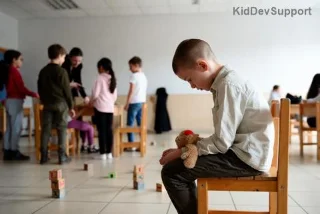
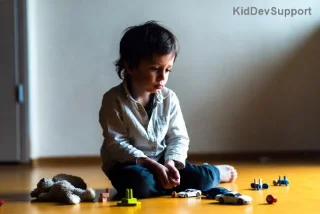
Imagine walking into a room full of familiar faces, yet struggling to recognize even your closest loved ones. This is the daily reality for many with autism and face blindness, a condition known as prosopagnosia. Often called "face blindness," prosopagnosia creates unique challenges, especially within the autism spectrum disorder (ASD) community. Recent studies highlight a strong link, showing higher rates of prosopagnosia among autistic individuals. This guide dives into the connection, symptoms, diagnosis, and practical strategies to navigate it effectively.

What is Prosopagnosia? Understanding Face Blindness
Prosopagnosia, or face blindness, is a neurological condition impairing the ability to recognize faces, even those of family or friends. It stems from dysfunction in the fusiform face area (FFA) of the brain, responsible for facial processing. People with prosopagnosia rely on non-facial cues like clothing, hairstyles, or voice to identify others.
There are two main types:
| Type |
Description |
Prevalence |
| Developmental Prosopagnosia |
Lifelong condition without brain injury |
Affects up to 2.5% of the population |
| Acquired Prosopagnosia |
Results from stroke, trauma, or disease |
Less common, varies by cause |
In everyday life, this leads to awkward social interactions, but with awareness, individuals adapt remarkably well. Keep reading to see how it intersects with autism.
Autism Spectrum Disorder (ASD): A Quick Overview
Autism spectrum disorder encompasses a range of neurodevelopmental conditions marked by challenges in social communication, repetitive behaviors, and sensory sensitivities. ASD varies widely in severity, from those needing substantial support to high-functioning individuals.
Social difficulties in ASD often overlap with face blindness. Autistic people may avoid eye contact or struggle with nonverbal cues, compounding recognition issues. The newest research underscores that prosopagnosia is not just coincidental but intrinsically linked to ASD neurology.
The Intriguing Connection: Autism and Face Blindness
Why do autism and face blindness go hand-in-hand? Newest neuroimaging studies reveal shared brain wiring. The FFA shows atypical activation in both conditions, with reduced connectivity to other social processing areas like the amygdala.
Prevalence data is striking: Up to 30% of autistic adults exhibit significant prosopagnosia, far exceeding the general population's 2-3%. This prosopagnosia-autism link suggests a spectrum of face-processing impairments within ASD.
- Genetic Factors: Mutations in genes like FOXP2, linked to both ASD and face recognition, play a role.
- Sensory Overload: Autistic sensory sensitivities can overwhelm facial detail processing.
- Holistic Processing Deficit: Autistics often process faces in parts (featural) rather than wholes, mirroring prosopagnosia.
This connection explains why many autistics report "everyone looks the same" – a clue often missed in standard ASD assessments.
![Visual representation of face blindness challenges in autism]()
Recognizing Symptoms of Prosopagnosia in Autism
Symptoms blend seamlessly with ASD traits, making identification tricky. Common signs include:
| Symptom |
In Autism Context |
Daily Impact |
| Difficulty recognizing familiar faces |
Confuses family members or teachers |
Social anxiety 😟 |
| Reliance on non-face cues |
Uses gait, voice, or logos |
Exhausting interactions |
| Emotional distress from misrecognition |
Feels rude or disconnected |
Isolation risks |
If these resonate, early recognition can transform lives. Families often notice children with ASD labeling peers by clothing rather than names.
Diagnosis: Testing for Prosopagnosia Alongside Autism
Diagnosis starts with comprehensive ASD evaluations, but prosopagnosia requires specialized tests:
- Cambridge Face Memory Test (CFMT): Matches unfamiliar faces from memory.
- Benton Facial Recognition Test: Identifies faces from different angles.
- Real-Life Scenarios: Self-reports and interviews.
Consult a neuropsychologist for accurate assessment. For validated tools, check resources from reputable organizations like Autism Speaks or NHS UK.
Management Strategies: Thriving with Autism and Face Blindness
No cure exists, but targeted strategies empower success:
Practical Tips 💡
- Use Accessories: Name badges, unique hairstyles, or scents as identifiers.
- Tech Aids: Apps like Face盲 (face-blindness specific) or facial recognition software.
- Social Scripts: Phrases like "Remind me of your name?" normalize interactions.
- Training Programs: Computer-based face training improves recognition by 20% in studies.
For Parents and Educators 🏫
Incorporate visual aids in classrooms and explain prosopagnosia to peers for empathy. Occupational therapy tailored to ASD enhances coping.
Lifestyle Adjustments
Mindfulness reduces anxiety from social faux pas, while support groups foster community. Recent trials show cognitive behavioral therapy (CBT) boosts confidence.
Latest Research: Hope on the Horizon 🔬
The newest studies emphasize neuroplasticity – the brain's ability to adapt. Functional MRI research reveals training activates dormant pathways in ASD-related prosopagnosia. Genetic screening advancements promise personalized interventions. Stay informed via sources like the National Institutes of Health (NIH).
Conclusion: Empowering Lives Through Awareness
The autism and face blindness connection via prosopagnosia unveils hidden struggles but also paths to empowerment. By understanding this link, we foster inclusive environments where autistic individuals shine. If you or a loved one faces these challenges, seek professional evaluation today. Share your story below – together, we build understanding. What strategies have worked for you?