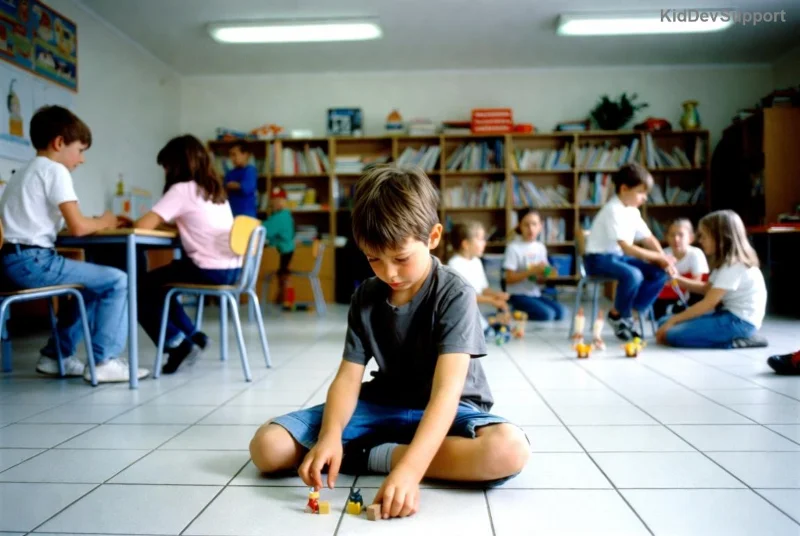
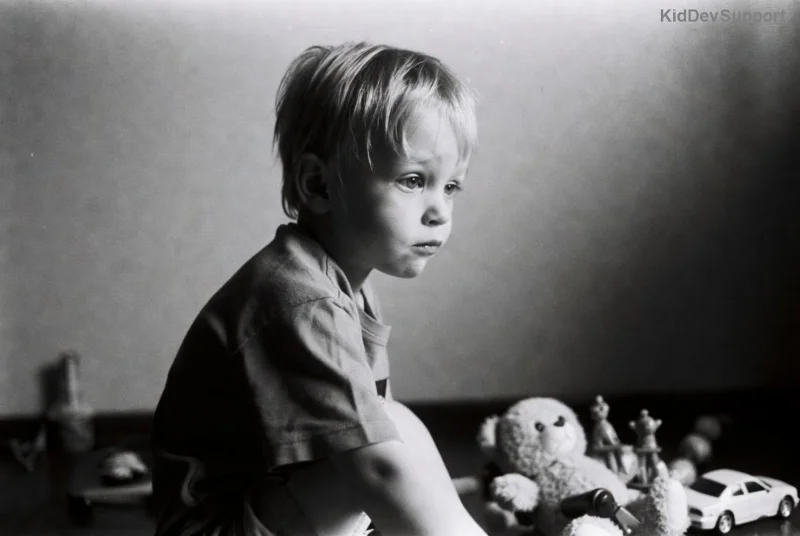
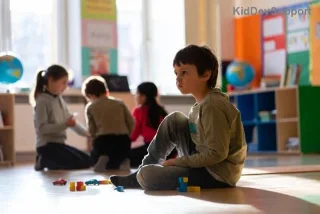
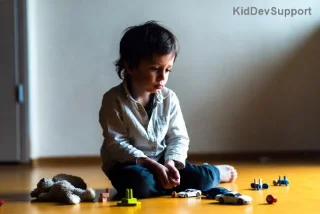
Imagine a child who solves complex puzzles at age three but struggles with eye contact or social cues. This paradox isn't rare—it's the hallmark of the intricate connection between autism and giftedness. Many individuals on the autism spectrum exhibit extraordinary intellectual abilities, blurring the lines between neurodivergence and exceptional talent. Understanding this overlap is crucial for parents, educators, and professionals to provide the right support. In this article, we'll dive deep into the science, shared traits, and practical strategies, keeping you hooked with actionable insights.
What is Autism Spectrum Disorder (ASD)?
Autism Spectrum Disorder (ASD) is a neurodevelopmental condition characterized by challenges in social communication, repetitive behaviors, and intense focus on specific interests. The spectrum nature means symptoms vary widely—from mild to profound. Recent diagnostic updates emphasize sensory sensitivities and executive functioning difficulties as core features.
Key traits include:
- Difficulty interpreting nonverbal cues 🧠
- Preference for routines and sameness
- Exceptional memory or pattern recognition in niche areas
According to the newest guidelines from health authorities, about 1 in 36 children is diagnosed with ASD, highlighting its prevalence.
Defining Giftedness: Beyond High IQ
Giftedness refers to exceptional abilities in intellectual, creative, or artistic domains, often identified by IQ scores above 130. However, it's more than numbers—it's asynchronous development where cognitive skills outpace emotional or social growth.
Gifted individuals may show:
- Rapid learning and deep curiosity
- Advanced vocabulary and abstract thinking
- Heightened sensitivity to surroundings
This intensity can mimic or coexist with ASD traits, leading to the term "twice-exceptional" (2e) for those with both autism and giftedness.
The Overlap: Exploring the Connection Between Autism and Giftedness
Research reveals a striking connection between autism and giftedness. Studies indicate that up to 20-30% of autistic individuals qualify as gifted, far exceeding general population rates. Genetic factors, brain wiring differences, and environmental influences contribute to this link.
Neuroimaging shows similar hyperconnectivity in both groups: heightened activity in association areas for deep focus, but reduced in social processing regions. This explains why many twice-exceptional people excel in STEM fields while facing social hurdles.
![Illustration of brain connections in autism and giftedness]()
Shared Characteristics: A Side-by-Side Comparison
To clarify the autism and giftedness overlap, here's a table comparing key traits:
| Trait |
Autism |
Giftedness |
Overlap in Twice-Exceptional |
| Intense Focus |
Hyperfixation on interests |
Deep dives into passions |
Prodigious expertise in niches 🏆 |
| Social Challenges |
Struggles with reciprocity |
Asynchronous emotional development |
Misread cues, isolation feelings |
| Sensory Sensitivities |
Over/under-responsivity |
Heightened emotional intensity |
Overwhelm in stimulating environments |
| Advanced Cognition |
Savants in specific domains |
High IQ, creativity |
Exceptional problem-solving |
This table underscores why differentiation is essential—pure giftedness might be mistaken for ASD, and vice versa.
Recent Research Insights on Autism and Giftedness
The newest studies confirm elevated giftedness rates in ASD populations. For instance, longitudinal data shows twice-exceptional children often underperform academically due to unmet needs, despite high potential. A comprehensive review highlights that early identification improves outcomes by 40%.
Explore more at CDC Autism Page or NIMH ASD Research for evidence-based info.
Challenges: Misdiagnosis and Hidden Struggles
The connection between autism and giftedness often leads to misdiagnosis. Gifted traits mask ASD, resulting in labels like "quirky" or "underachieving." Conversely, ASD overshadows gifts, leading to overlooked potential. Emotional burnout is common, with perfectionism amplifying anxiety.
Parents report: "My child's genius was dismissed as behavioral issues." Recognition is key to success stories like famous autistic gifted figures in tech and arts.
![Supportive environment for twice-exceptional child]()
Strategies for Identification and Support
Unlock potential with these targeted approaches:
- Comprehensive Assessments: Combine IQ testing, ASD screeners, and behavioral observations.
- Tailored Education: Enrich curricula for gifts while accommodating sensory needs.
- Therapeutic Interventions: Social skills training, mindfulness for intensity management.
- Parental Advocacy: Join support groups for twice-exceptional resources.
Success metrics from recent programs show improved self-esteem and achievement. Start with a professional evaluation—what's one step you can take today?
Conclusion: Embracing the Autism-Giftedness Spectrum
The connection between autism and giftedness isn't coincidence—it's a superpower waiting to be nurtured. By recognizing overlaps, we empower twice-exceptional individuals to thrive. Share your experiences below, and remember: every unique brain holds brilliance. Stay tuned for more on neurodiversity—your next read could transform a life.