Imagine a time when parents, especially mothers, were blamed for their child's autism. This was the harsh reality of the "refrigerator mothers" era—a misconception that shaped early autism interventions and caused immense pain. Today, autism interventions are grounded in science, offering hope and real progress. In this article, we'll trace the journey from outdated myths to the newest, evidence-based strategies. Stick around to see how far we've come and what's next. 🩺
The "Refrigerator Mothers" Era: Blame and Psychoanalytic Approaches
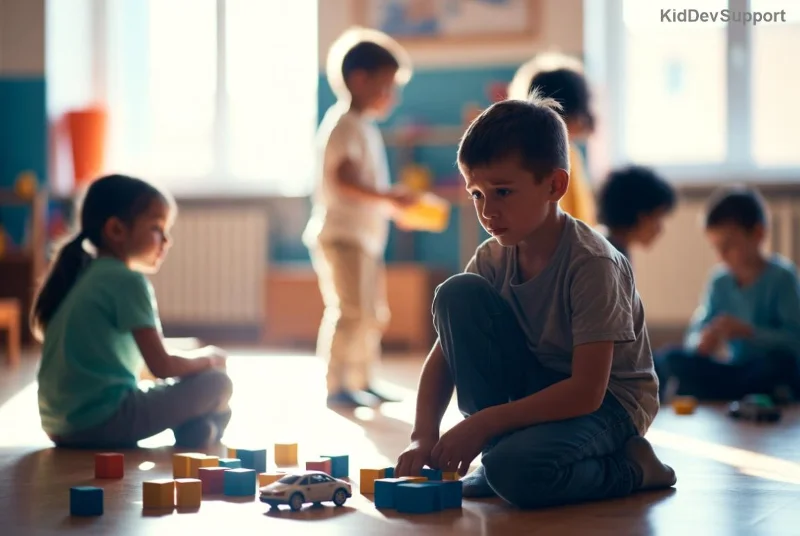
The origins of autism interventions were rooted in misunderstanding. In the mid-20th century, psychiatrist Leo Kanner and Bruno Bettelheim popularized the idea that autism stemmed from "emotionally cold" mothers—hence "refrigerator mothers." Interventions focused on psychoanalysis, aiming to "warm up" families through intensive therapy sessions that often shamed parents.
These approaches yielded little success and inflicted emotional harm. Families faced stigma, with treatments emphasizing maternal detachment over child needs. It wasn't until research debunked this theory—proving autism as a neurodevelopmental condition—that true progress began. This shift marked the end of blame-based autism interventions.
The Dawn of Evidence-Based Autism Interventions: Behavioral Therapies Emerge
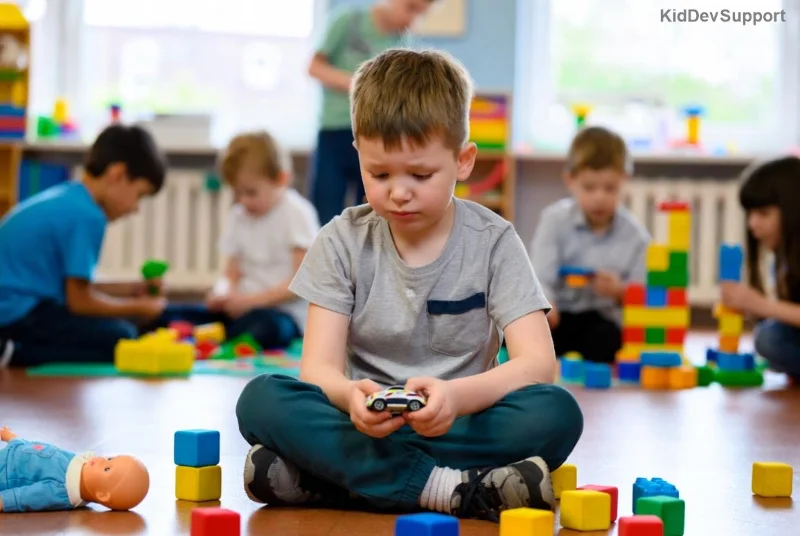
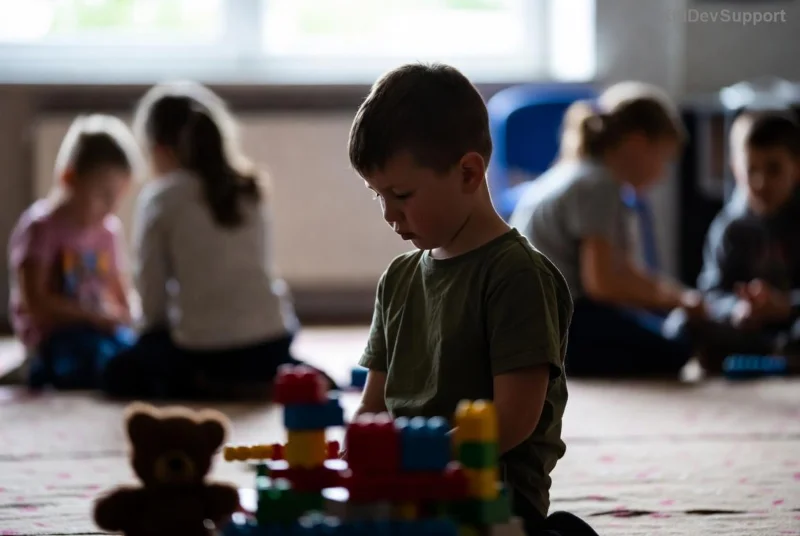
As science advanced, autism interventions pivoted to observable behaviors. Pioneers like Ivar Lovaas introduced structured methods, laying groundwork for modern therapies. This era emphasized teaching skills through repetition and reinforcement, moving away from psychodynamic guesswork.
Key developments included early educational programs focusing on communication and social skills. Parents became partners, not culprits, in intervention plans. These changes improved outcomes, proving that targeted, consistent support could unlock potential.
A Timeline of Major Autism Interventions
| Era |
Key Intervention |
Impact |
| Pre-Scientific |
Refrigerator Mothers Psychoanalysis |
Blamed parents; low efficacy, high stigma |
| Behavioral Shift |
Discrete Trial Training |
Improved basic skills; foundation for ABA |
| Educational Models |
TEACCH & Sensory Integration |
Structured environments; sensory support |
| Modern Era |
Genetics & Tech-Driven Therapies |
Personalized, data-backed progress |
Curious about the gold standard that emerged from this? Let's dive into ABA.
The Rise of Applied Behavior Analysis (ABA): A Cornerstone of Autism Interventions
Applied Behavior Analysis (ABA) revolutionized autism interventions. This data-driven method breaks skills into small steps, using positive reinforcement to teach everything from speech to self-care. Decades of studies show ABA leads to significant gains in IQ, language, and adaptive behaviors.
Modern ABA is ethical and child-led, incorporating natural environments over rigid drills. It's endorsed by organizations like the CDC. For families, early intensive ABA (20-40 hours/week) can be life-changing—but is it right for everyone? Read on for broader options.
![Child engaging in ABA therapy session]()
Multimodal Advances: From Sensory Therapies to Medications
Autism interventions expanded beyond ABA. The TEACCH model uses visual structures to leverage autistic strengths, while sensory integration addresses overload. Speech therapy and occupational therapy became staples, helping with motor skills and communication.
Biomedical progress brought medications for co-occurring issues like anxiety or ADHD—though no "cure" exists for core autism traits. Dietary interventions and supplements show promise in select cases, backed by recent trials.
What about technology? Apps for social stories and VR for skill-building are game-changers, making interventions accessible anytime.
The Newest Frontiers: Genetics, Neurodiversity, and Personalized Autism Interventions
In the latest chapter of autism interventions history, genomics leads the way. Identifying hundreds of gene variants enables tailored therapies. CRISPR-inspired research and stem cell studies offer future hope for targeted fixes.
The neurodiversity movement reframes autism as a difference, not deficit. Interventions now prioritize acceptance alongside support, with peer-led programs fostering self-advocacy. AI-driven tools analyze behaviors in real-time, customizing plans dynamically.
Recent meta-analyses confirm early, multi-faceted interventions yield the best outcomes. Telehealth has exploded, ensuring rural access. As of the current landscape in 2026, combination approaches—ABA + neurodiversity-affirming therapies—are optimal. 🌟
![Modern autism therapy with technology and family involvement]()
Key Takeaways: Empowering Progress in Autism Interventions
- From "refrigerator mothers" blame to science: A monumental shift.
- ABA remains foundational, but integrate with sensory and tech tools.
- Newest autism interventions are personalized via genetics and AI.
- Early detection (before age 3) maximizes gains—screen today!
The history of autism interventions is a testament to resilience. What started in darkness now shines with evidence and empathy. Families: Consult professionals for individualized plans. The future? Even brighter. Share your story below or explore resources from the Autism Speaks site. You've made it to the end—now take action! 💪