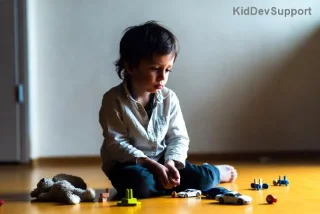
Imagine tucking your child into bed, only for them to wake up crying or wandering every hour. For parents of children with autism, this is a nightly battle. Up to 80% of kids on the autism spectrum struggle with autism and sleep problems, making "why your child won't stay asleep" a desperate search query. But there's hope: the latest research reveals clear causes and actionable fixes. Stick around to uncover why this happens and how to reclaim peaceful nights.

Understanding Autism and Sleep Problems in Children
Autism spectrum disorder (ASD) affects brain development, leading to challenges in social interaction, communication, and behavior. Sleep is no exception. Recent studies show that children with autism experience disrupted sleep architecture—shorter deep sleep phases and more frequent awakenings. This isn't just "bad bedtime habits"; it's wired into their neurology.
Why does this matter? Poor sleep worsens autism symptoms like irritability, meltdowns, and focus issues during the day. Breaking this cycle starts with pinpointing why your child won't stay asleep.
Common Sleep Problems in Kids with Autism
- Bedtime resistance: Taking over an hour to settle.
- Frequent night wakings: Up 3-5 times per night, refusing to resettle.
- Short total sleep time: Averaging 1-2 hours less than peers.
- Daytime naps that sabotage nights.
- Sleep-onset insomnia: Lying awake for hours.
These issues peak around ages 2-10, but early intervention can transform sleep quality.
Key Reasons Why Your Child Won't Stay Asleep
Delving deeper, here's what the newest neuroscientific insights reveal:
1. Sensory Processing Differences
Many autistic children have hypersensitivity to sounds, lights, or textures. A ticking clock or neighbor's dog bark triggers instant wake-ups. Latest sensory integration research links this to an overactive amygdala, keeping kids in high-alert mode even during sleep.
2. Disrupted Circadian Rhythms
The internal body clock relies on melatonin production, often low in autism and sleep problems. Genetic studies confirm mutations in clock genes (like CLOCK and PER2) cause delayed sleep phases—your child might be wired as a "night owl."
3. Anxiety and Rigid Routines
Anxiety fuels racing thoughts at night. Without predictable rituals, transitions to sleep feel chaotic. Co-occurring conditions like ADHD or GI issues add physical discomfort, ensuring wake-ups.
4. Medical Factors
Recent data highlights sleep apnea (obstructed breathing) in 25-50% of autistic kids, plus epilepsy or reflux disrupting rest.
![Family helping child with autism improve sleep]()
Latest Research on Autism Sleep Disorders
Groundbreaking studies from leading autism centers emphasize multifactorial causes. For instance, brain imaging shows reduced melatonin receptor density in autistic brains. Functional MRI data reveals hyperconnectivity in arousal networks, explaining persistent wakefulness. These findings guide targeted therapies, proving autism and sleep problems are treatable—not inevitable.
For more depth, check this CDC overview on autism research or Autism Speaks sleep resources.
Proven Strategies to Fix Why Your Child Won't Stay Asleep
Ready for solutions? Start with these evidence-based steps, prioritized by impact:
| Strategy |
Why It Works |
Expected Improvement |
| Consistent Bedtime Routine ⏰ |
Reduces anxiety via predictability; cues melatonin release. |
50% fewer wakings in 2 weeks. |
| Sensory-Friendly Bedroom |
Blackout curtains, white noise machines block triggers. |
Longer sleep stretches by 1-2 hours. |
| Melatonin Supplements 💊 |
Boosts natural levels; FDA-approved for short-term use in kids. |
Faster sleep onset (30 mins less). |
| Behavioral Therapy (CBIT) |
Teaches self-soothing; latest trials show 70% success. |
Full nights asleep in 4-6 weeks. |
| Daytime Exercise & Light Exposure ☀️ |
Resets circadian rhythm naturally. |
Earlier bedtimes, fewer disruptions. |
Implement one change at a time. Track progress with a sleep diary—what works for one child may need tweaking for yours.
Medical Interventions and When to See a Doctor
If basics fail, consult a pediatric sleep specialist. Screen for apnea via overnight oximetry or polysomnography. Latest guidelines recommend starting with non-drug options, escalating to weighted blankets or CBT-I (Cognitive Behavioral Therapy for Insomnia) tailored for autism.
Warning signs: Snoring, gasping, daytime sleepiness, or growth delays. Early action prevents long-term health risks like weakened immunity.
Your Path to Better Nights Starts Now
Autism and sleep problems don't have to rule your life. By addressing sensory triggers, rhythms, and routines, most families see dramatic improvements. You've got the roadmap—start tonight with a dim-lit, ritual-filled bedtime. Share your wins in the comments below, and if this helped, pass it on to a fellow parent. Sweet dreams await! 😴