Imagine noticing your child struggles with social interactions, sensory sensitivities, or emotional regulation. Is it autism spectrum disorder (ASD) or the lasting impact of childhood trauma? These conditions often mimic each other, leading to misdiagnosis and delayed support. Recent research highlights that up to 40% of children with trauma symptoms are initially evaluated for autism, yet accurate differentiation is crucial for effective interventions.
In this guide, we'll break down the core differences between autism and childhood trauma, using evidence-based insights. By the end, you'll know the red flags, diagnostic steps, and when to seek professional help. Keep reading to empower yourself with knowledge that could change your child's path. 🩺
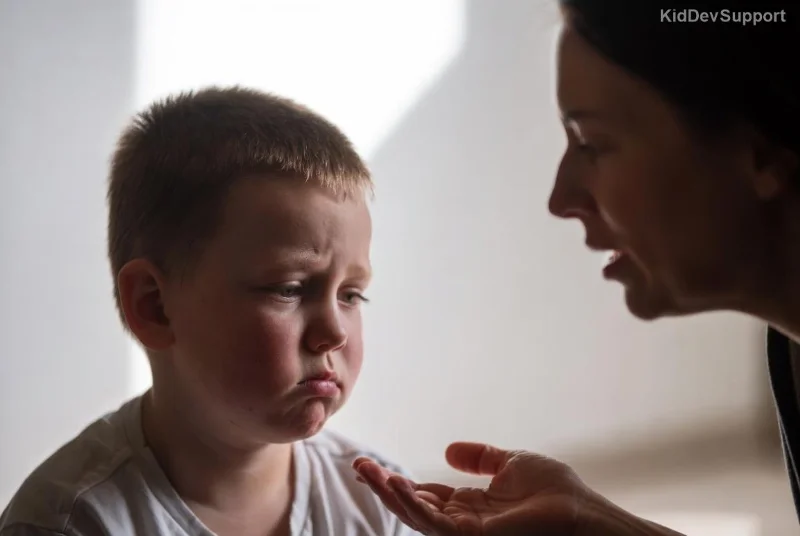
What is Autism Spectrum Disorder (ASD)?
Autism is a neurodevelopmental condition present from early childhood, characterized by challenges in social communication, repetitive behaviors, and sensory processing. According to the latest diagnostic criteria, ASD is lifelong and genetic factors play a significant role, with symptoms evident by age 2-3.
- Social challenges: Difficulty reading social cues, maintaining eye contact, or forming reciprocal friendships.
- Repetitive behaviors: Hand-flapping, lining up toys, or intense interests in specific topics.
- Sensory sensitivities: Over- or under-reaction to sounds, lights, or textures.
These traits stem from brain wiring differences, not external events. Early intervention like Applied Behavior Analysis (ABA) can significantly improve outcomes.
Understanding Childhood Trauma and Its Effects
Childhood trauma refers to adverse experiences like abuse, neglect, parental loss, or violence, triggering survival responses in the brain. The latest studies on trauma-informed care show it can mimic neurodevelopmental disorders through hypervigilance and emotional dysregulation.
- Emotional dysregulation: Intense outbursts, fear of abandonment, or dissociation.
- Attachment issues: Clinginess, avoidance of caregivers, or reactive behaviors.
- Hyperarousal: Startle responses, nightmares, or chronic anxiety.
Unlike autism, trauma responses often develop after a triggering event and can resolve with therapies like Trauma-Focused Cognitive Behavioral Therapy (TF-CBT).
Overlapping Symptoms: Why It's Hard to Tell Apart
Both conditions can present with withdrawal, meltdowns, and communication delays, confusing parents and even clinicians. For instance:
- A child avoiding eye contact might have autistic traits or trauma-induced shame.
- Sensory overload could signal ASD neurology or PTSD-like hypersensitivity from abuse.
- Repetitive play might be autistic stimming or a trauma coping mechanism.
Recognizing overlaps is step one—but pinpointing the root cause requires deeper analysis. Curious about the game-changers? Let's dive into the differences next.
![Illustration of autism spectrum and emotional responses]()
7 Crucial Ways to Distinguish Between Autism and Childhood Trauma
Here are evidence-based markers from recent clinical guidelines. Use this as a starting point, not a diagnosis.
| Feature |
Autism (ASD) |
Childhood Trauma |
| Onset |
Present from infancy; stable over time |
Sudden after traumatic event; may fluctuate |
| Social Interaction |
Inherent lack of interest or understanding |
Fear-based withdrawal or distrust |
| Behaviors |
Self-soothing, joyful stims (e.g., spinning) |
Avoidant or aggressive; triggered by reminders |
| Response to Change |
Rigid routines for comfort |
Anxiety from unpredictability tied to past |
| Empathy |
Cognitive empathy challenges; affective intact |
Over-empathic or numb due to emotional burnout |
| Sensory Issues |
Consistent across contexts |
Worsens with stress/triggers |
| Improvement Path |
Social skills training yields gradual gains |
Trauma therapy leads to rapid resolution |
These distinctions are backed by the CDC's latest autism resources and trauma experts. For example, autistic children often engage joyfully in special interests, while traumatized ones might use them to escape pain. 💡
The Diagnostic Process: Steps to Clarity
Don't self-diagnose—professional evaluation is key. Start with:
- Developmental history: Timeline of symptoms (lifelong vs. post-event).
- Standardized tools: ADOS-2 for autism; ACEs questionnaire for trauma.
- Multidisciplinary team: Pediatricians, psychologists, and occupational therapists.
- Observation in contexts: School vs. home behaviors.
Recent advancements in neuroimaging show distinct brain patterns: autism features connectivity differences, while trauma alters stress-response circuits. If both are present (common in 20-30% of cases), integrated treatment shines.
When to Seek Help and Next Steps
Act if your child shows persistent distress. Early signs warrant a pediatric evaluation. Therapies differ:
- For Autism: Speech therapy, sensory integration, social skills groups. 🏆
- For Trauma: EMDR, play therapy, family counseling. 😊
Comorbid cases benefit from tailored plans. Resources like the American Psychological Association offer free guides.
Final Thoughts: Empower Your Journey
Distinguishing autism from childhood trauma unlocks the right support, fostering resilience and growth. You've got the tools now—observe patterns, track triggers, and consult experts. Your vigilance today builds a brighter tomorrow. Share your experiences below or book a specialist appointment. What's one sign you're noticing? Stay informed, stay proactive. 🌟