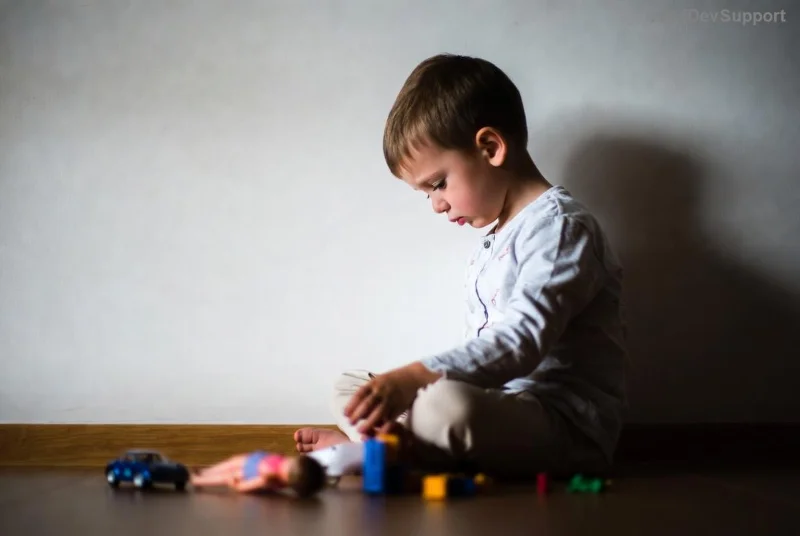
Many people confuse autism and social anxiety because both can involve challenges in social interactions. But understanding the difference between autism and social anxiety is vital for accurate diagnosis, effective treatment, and improved quality of life. This guide breaks it down clearly, using the latest research to help you navigate these often-misunderstood conditions. Whether you're a parent, educator, or someone experiencing symptoms, read on to gain clarity and actionable insights.
What is Autism? A Core Neurodevelopmental Overview
Autism, or Autism Spectrum Disorder (ASD), is a lifelong neurodevelopmental condition affecting how individuals communicate, behave, and interact with the world. It manifests early in childhood, often before age 3, and varies widely in severity—from those needing substantial support to highly independent individuals.
Core features include:
- Challenges with social communication, like understanding nonverbal cues or maintaining conversations.
- Repetitive behaviors or intense interests (e.g., lining up toys or deep dives into specific topics).
- Sensory sensitivities, such as aversion to loud noises or certain textures. ☝️
According to the latest data from health authorities, autism affects about 1 in 36 children, with genetic and environmental factors playing key roles. It's not caused by parenting or vaccines—myths debunked by extensive studies.
What is Social Anxiety? Understanding the Fear-Driven Disorder
Social Anxiety Disorder (SAD) is a mental health condition characterized by intense fear of social situations where one might be judged, embarrassed, or scrutinized. Unlike autism, it's not neurodevelopmental but often emerges in adolescence or early adulthood.
Key symptoms:
- Avoidance of social events due to overwhelming worry.
- Physical signs like blushing, sweating, or trembling during interactions.
- Excessive self-consciousness, fearing negative evaluation. 😰
The latest research highlights that social anxiety impacts around 7% of adults, linked to brain chemistry imbalances, genetics, and negative experiences like bullying.
The Difference Between Autism and Social Anxiety: Side-by-Side Comparison
To highlight the difference between autism and social anxiety, here's a comprehensive comparison table based on diagnostic criteria from leading mental health organizations.
| Aspect |
Autism (ASD) |
Social Anxiety (SAD) |
| Onset |
Early childhood (before age 3) |
Adolescence or adulthood |
| Social Challenges |
Inherent difficulty understanding social rules; may not desire friendships but struggle to form them |
Desires social connection but fears judgment; avoidance stems from anxiety |
| Eye Contact |
Often avoids naturally due to sensory overload |
Avoids due to fear of scrutiny |
| Repetitive Behaviors |
Common (stimming, routines) |
Rare; anxiety manifests as worry or panic |
| Sensory Issues |
Frequent (hypersensitivity common) |
Uncommon; focus is emotional fear |
| Cause |
Neurodevelopmental (genetic/brain wiring) |
Mental health (learned fear response) |
| Response to Social Practice |
Improves with structured learning but core traits persist |
Often resolves with exposure therapy |
This table underscores that while both involve social hurdles, autism is about neurological wiring, whereas social anxiety is fear-based and treatable.
![Visual comparison of autism and social anxiety differences]()
Striking Similarities: Why Confusion Arises
Despite clear differences between autism and social anxiety, overlaps exist:
- Both lead to social withdrawal.
- Co-occurrence is common—up to 20-50% of autistic individuals have anxiety disorders per recent studies.
- Shyness or awkwardness in groups.
These similarities often lead to misdiagnosis, especially in high-masking autistics who mimic social norms at great personal cost.
Diagnosis: Getting It Right
Accurate diagnosis requires professionals. For autism, tools like ADOS-2 assessments evaluate developmental history. Social Anxiety uses structured interviews and scales like the LSAS.
Key tip: Comprehensive evaluation rules out comorbidities. Consult a specialist—early diagnosis transforms lives. For reliable info, see CDC on Autism or Mayo Clinic on Social Anxiety. 🩺
Treatment Approaches: Tailored Strategies
Treatments differ markedly:
For Autism
- Behavioral therapies like ABA or developmental models.
- Speech and occupational therapy for skills.
- Medications for co-occurring issues, not core autism.
For Social Anxiety
- Cognitive Behavioral Therapy (CBT), especially exposure-based.
- SSRIs like sertraline for symptom relief.
- Mindfulness and social skills training.
The latest advancements include teletherapy and neurofeedback, showing promising results. Success often hinges on personalization—track progress and adjust. 🌟
When to Seek Professional Help
If social struggles impair daily life, school, or work, act now. Signs include isolation, meltdowns, or panic attacks. Parents: Monitor developmental milestones. Adults: Self-assess but verify with experts.
Remember, many thrive post-diagnosis. Autism brings unique strengths like pattern recognition; overcoming social anxiety unlocks confidence.
Conclusion: Empower Yourself with Knowledge
Grasping the difference between autism and social anxiety empowers better support and self-understanding. Whether it's neurodiversity or anxiety management, resources abound. Share this if it helped—your click could guide someone else. Stay informed, seek help, and embrace strengths. What's your next step? Consult a pro today.