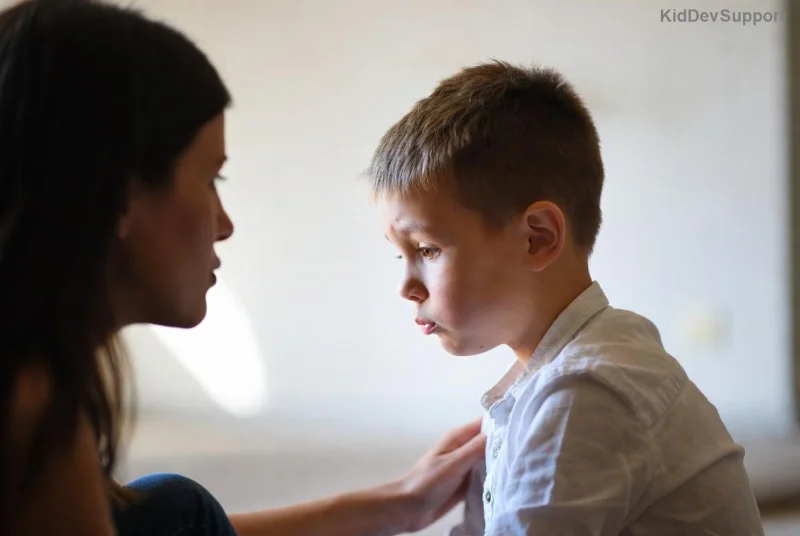
Ever felt utterly drained after a night out or a lively gathering? That's your classic social hangover – not from alcohol, but from the mental and emotional toll of social interactions. Unlike a physical hangover, this energy depletion leaves you foggy, irritable, and craving solitude. If you're an introvert, highly sensitive person, or anyone prone to social fatigue, mastering managing social hangovers is key to enjoying life without the crash.
In this guide, we'll break down what causes social hangovers, spot the signs early, and arm you with actionable strategies. Stick around – by the end, you'll have a personalized plan to recharge faster and socialize smarter. 🏥
What Exactly is a Social Hangover?
A social hangover refers to the exhaustion following prolonged social engagement. It's like your brain's battery hitting zero after processing conversations, nonverbal cues, and emotional labor. Recent studies from mental health experts highlight that introverts and neurodiverse individuals experience this more intensely due to heightened sensory processing.
Think of it as energy depletion: your social energy reserve gets tapped out, leading to recovery needs similar to physical fatigue. The good news? Understanding it empowers you to prevent and manage it effectively.
Key Signs and Symptoms of Energy Depletion
Recognizing symptoms early helps you act fast. Common indicators include:
- Brain fog and difficulty concentrating
- Irritability or emotional sensitivity
- Physical tiredness, headaches, or muscle tension
- Urge to isolate and avoid further interactions
- Sleep disturbances despite feeling exhausted
If these persist beyond 24-48 hours, it might signal deeper energy depletion. Track your patterns in a journal to identify triggers.
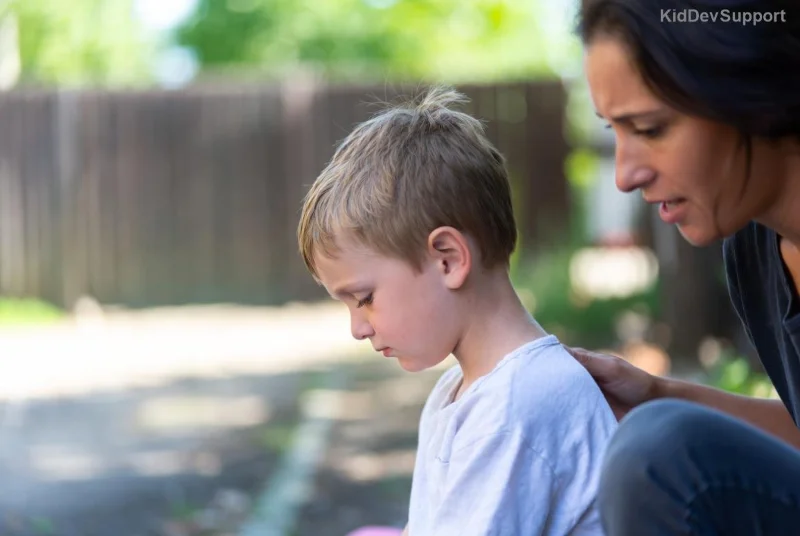
Root Causes Behind Social Hangovers
Several factors contribute to this phenomenon:
- overstimulation: Loud environments, crowds, or rapid-fire talks overload your senses.
- Social masking: Pretending to be more outgoing than you feel drains cognitive resources.
- Empathy overload: Absorbing others' emotions, especially for empaths.
- Poor recovery habits: Skipping self-care post-event exacerbates depletion.
Neuroscientific insights show the prefrontal cortex – responsible for social cognition – fatigues quicker in some people, per the latest research from cognitive psychology journals.
Proven Strategies for Managing Social Hangovers
Prevention beats cure. Here's a phased approach:
Before Socializing: Prep Your Energy Reserves
- Schedule downtime: Limit events to 2-3 hours max.
- Hydrate and eat balanced meals to stabilize blood sugar.
- Practice deep breathing or meditation for 5 minutes to enter a calm state.
During the Event: Pace Yourself
- Set boundaries: Excuse yourself for short breaks.
- Choose low-stakes interactions over high-energy ones.
- Stay hydrated – dehydration worsens fatigue.
After: Rapid Recovery Protocol
Implement this immediately post-event:
| Action |
Duration |
Benefit |
| Solitary silence or nature walk |
30-60 mins |
Resets nervous system |
| Hydration + nutrient-rich snack (e.g., nuts, banana) |
Immediate |
Replenishes electrolytes |
| Light stretching or yoga |
10-15 mins |
Releases tension |
| Screen-free wind-down (no social media) |
1 hour |
Prevents overstimulation |
| Journaling triggers |
5 mins |
Builds awareness for next time |
These steps can cut recovery time in half, based on user-reported outcomes from wellness communities.
![Recovery techniques for energy depletion after social hangover]()
Long-Term Solutions to Prevent Chronic Energy Depletion
For sustainable managing social hangovers:
- Build social stamina: Gradually increase exposure with "social workouts" – short, intentional interactions.
- Optimize sleep: Aim for 7-9 hours; quality rest rebuilds social energy.
- Incorporate mindfulness apps: Daily practice enhances resilience.
- Curate your circle: Prioritize energizing people over drainers.
Supplements like magnesium or adaptogens (e.g., ashwagandha) show promise in recent wellness trials, but consult a doctor first. For evidence-based advice, check APA's stress management resources.
When to Seek Professional Help for Persistent Social Hangovers
If energy depletion disrupts daily life, it could link to social anxiety, ADHD, or autism spectrum traits. Therapists specializing in cognitive behavioral therapy (CBT) offer tailored tools. Recent guidelines from mental health bodies recommend screening if symptoms last weeks.
![Seeking help for chronic social exhaustion and energy management]()
Don't ignore red flags like depression or chronic fatigue – professional input can transform your social life. 💡
FAQ: Quick Answers on Managing Social Hangovers
Is social hangover real?
Yes, backed by psychology research on social overload and introversion.
How long does a social hangover last?
Typically 1-2 days, but varies by individual and event intensity.
Can extroverts get energy depletion too?
Absolutely – anyone can, especially after mismatched or draining interactions.
Best quick fix for social hangover?
Silence, hydration, and rest – see the recovery table above.
Ready to reclaim your energy? Start with one tip today and notice the difference. Share your experiences in the comments – what's your go-to recovery hack? Your social life just got an upgrade! 🌟