Parenting an autistic child comes with unique joys and challenges. Every day offers opportunities to build a nurturing environment that fosters growth, reduces anxiety, and promotes independence. But how do you transform your everyday home into a safe and supportive home tailored to their needs? This guide delivers focused, actionable strategies based on the latest research from leading autism experts. You'll discover practical steps to create sensory-friendly spaces, establish calming routines, and ensure physical safety—keeping your child secure while empowering your family. Ready to make a difference? Let's dive in.
Understand Your Autistic Child's Unique Needs
Children on the autism spectrum often experience the world differently, with heightened sensitivities to lights, sounds, textures, and changes. The latest research emphasizes creating predictable, low-stress environments to minimize meltdowns and support emotional regulation. Start by observing your child's triggers: Does bright lighting cause distress? Do certain fabrics irritate their skin?
- Assess sensory preferences: Use a simple journal to track reactions over a week.
- Consult professionals: Occupational therapists can provide personalized sensory profiles ☑️.
Building this foundation ensures every change you make is targeted and effective. Next, we'll explore how to design sensory-friendly spaces.
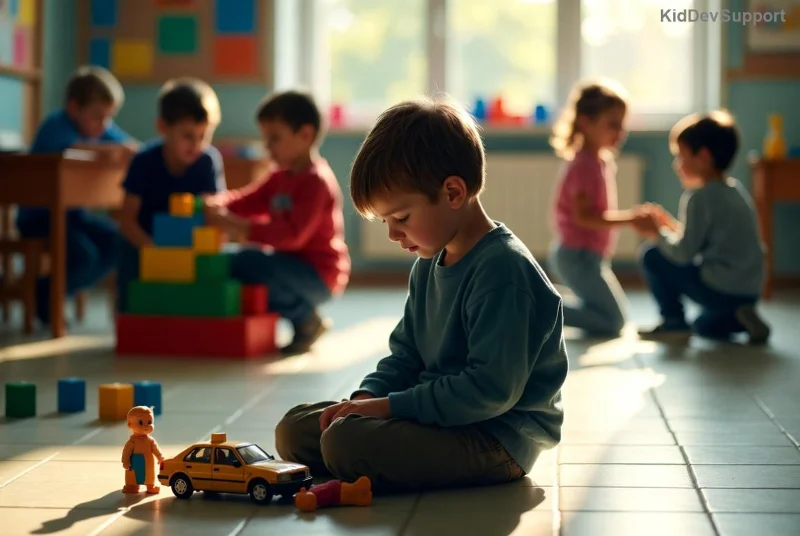
Design Sensory-Friendly Spaces in Your Home
A sensory-friendly home is the cornerstone of a supportive home for your autistic child. Diminish overwhelming stimuli while amplifying calming elements. According to recent guidelines from autism advocacy organizations, zoning your home into "quiet zones" and "activity areas" works wonders.
| Room Type |
Key Modifications |
Benefits |
| Quiet Zone (Bedroom) |
Blackout curtains, weighted blankets, noise-canceling options |
Reduces sensory overload for better sleep |
| Activity Zone (Play Area) |
Soft lighting, fidget toys, crash pads |
Encourages safe exploration and self-regulation |
| Kitchen/Dining |
Non-slip mats, visual schedules, bland textures |
Eases mealtimes and transitions |
Implement one room at a time to avoid overwhelming your family. These tweaks not only calm your autistic child but also create harmony for everyone. Curious about routines that reinforce this calm? Keep reading.
Establish Predictable Daily Routines
Predictability is a superpower for autistic children. Sudden changes can spike anxiety, but consistent routines build security. Use visual timers and picture schedules to map out the day—from wake-up to bedtime.
- Morning ritual: Gentle wake-up with favorite music, followed by a checklist.
- Transition cues: 5-minute warnings with sand timers.
- Evening wind-down: Dim lights and stories 30 minutes before bed.
The latest studies show these routines improve compliance by up to 40%. Pair them with your sensory zones for maximum impact. But safety can't be overlooked—let's secure your space next.
Implement Essential Safety Measures
Creating a safe home for autism means proactive hazard-proofing. Autistic children may engage in elopement (wandering), pica (eating non-food items), or have limited danger awareness. Install door alarms, cabinet locks, and window guards immediately.
Here's a quick safety checklist:
- ☑️ Secure medications and cleaners in locked cabinets.
- ☑️ Use GPS trackers for outdoor adventures.
- ☑️ Cover sharp edges and outlets.
- ☑️ Create a "safe room" for emergencies.
For more tools, check resources from trusted sites like the CDC or Autism Speaks.
![Family creating supportive routines in a safe home for autistic child]()
Boost Communication and Emotional Support
Effective communication bridges gaps in a supportive home. Use AAC (Augmentative and Alternative Communication) tools like PECS cards or apps for non-verbal autistic children. Validate emotions with phrases like, "I see you're upset—let's breathe together."
Emotional support strategies:
- Positive reinforcement: Reward charts for small wins 🏅.
- Mindfulness activities: Deep pressure hugs or bubble blowing.
- Family meetings: Weekly check-ins to voice needs.
These build resilience and connection. As your child grows, adapt these for school transitions or social skills.
Leverage Resources and Professional Guidance
You're not alone in creating a safe and supportive home for your autistic child. Seek input from behavior analysts, speech therapists, and support groups. The newest interventions, like DIR/Floortime, emphasize play-based connection.
Free tools:
- Apps: Proloquo2Go for communication.
- Online communities: Forums for parent tips.
- Grants: Funding for home adaptations.
Regular check-ins with specialists ensure your strategies evolve with your child's development.
Your Path to a Thriving Family
Transforming your home into a safe and supportive haven takes intention, but the rewards—fewer meltdowns, more smiles, stronger bonds—are priceless. Start small: Pick one sensory tweak and one routine today. Track progress, celebrate victories, and adjust as needed. Your autistic child deserves this sanctuary, and you have the power to create it.
What's your first step? Share in the comments or consult a pro. For ongoing tips, subscribe to our newsletter. Together, let's build brighter futures! 🌟