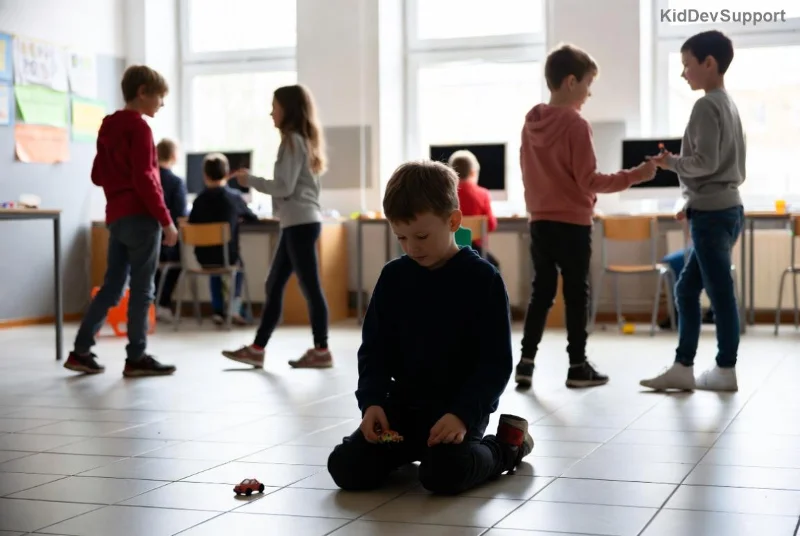
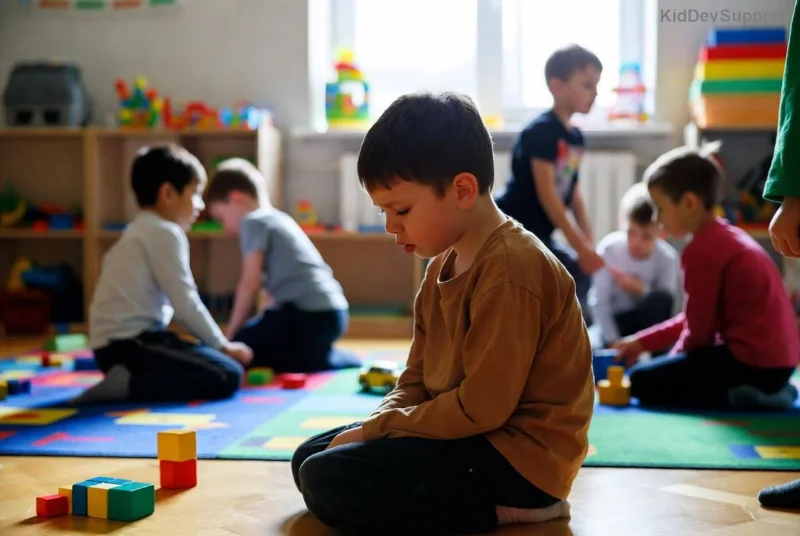
Imagine a world where words fail, yet messages flow through glances, gestures, and subtle expressions. For millions on the autism spectrum, this is daily reality. Understanding non-verbal autism opens doors to deeper connections. In this guide, we'll explore the silent language of non-verbal autism, revealing practical ways to bridge communication gaps. Whether you're a parent, educator, or caregiver, these insights will transform how you interact. Ready to decode? Let's begin.
What Is Non-Verbal Autism?
Non-verbal autism refers to individuals on the autism spectrum disorder (ASD) who do not use spoken language as their primary communication tool. According to the latest diagnostic criteria, up to 30% of autistic individuals remain largely or fully non-speaking throughout life. This isn't due to lack of intelligence—many have average or above-average cognitive abilities—but stems from challenges in speech production, processing, or sensory integration.
Key distinction: Non-verbal doesn't mean non-communicative. These individuals express needs, emotions, and ideas through alternative channels. Understanding non-verbal autism starts with recognizing autism as a spectrum, where verbal ability varies widely.
Recognizing Signs of Non-Verbal Autism
Early identification is crucial. Common signs include:
- Limited or absent spoken words by age 5.
- Reliance on echolalia (repeating phrases) without functional use.
- Difficulty with eye contact or joint attention.
- Sensory sensitivities affecting vocalization.
Diagnosis involves comprehensive assessments by specialists, focusing on overall development rather than speech alone. Recent studies highlight that with proper support, many develop compensatory communication skills.
Communication Beyond Words: Key Methods
The heart of understanding non-verbal autism lies in alternative communication systems. Here's how they work:
Visual Supports
Picture Exchange Communication System (PECS) empowers users to exchange images for desired items. It's structured in phases, building from requesting to commenting.
Augmentative and Alternative Communication (AAC)
High-tech AAC devices, like tablet apps with text-to-speech, offer unlimited vocabulary. Low-tech options include sign language or communication boards. The latest AAC innovations integrate AI for predictive text, making expression faster.
Behavioral Cues and Body Language
Non-verbal cues are rich: flapping hands for excitement 🥳, rocking for self-soothing, or pointing for needs. Decoding these requires observation and patience.
| Non-Verbal Cue |
Possible Meaning |
Response Strategy |
| Hand flapping or jumping |
Excitement or joy |
Acknowledge positively: "I see you're happy!" |
| Avoiding eye contact |
Sensory overload |
Use peripheral vision or visuals |
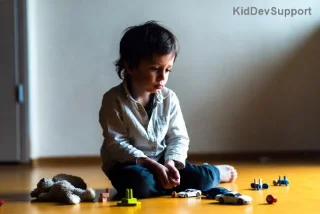
| Repetitive object lining |
Comfort or focus |
Incorporate into play routines |
| Pointing or reaching |
Requesting item |
Respond immediately to build trust |
![Visual aids for non-verbal autism communication]()
Proven Strategies for Effective Interaction
To foster communication beyond words, adopt these evidence-based approaches:
- Model Communication: Speak while using visuals. "I want apple" paired with a picture.
- Create Predictable Routines: Visual schedules reduce anxiety, freeing mental energy for interaction.
- Respect Sensory Needs: Dim lights or quiet spaces enhance focus.
- Encourage Choice-Making: Offer two options via pictures to promote agency.
For educators, integrate AAC into classrooms. Parents can start with free apps like Proloquo2Go trials. Consistency across environments amplifies success.
Therapies and Interventions: Latest Advances
Modern therapies target core challenges:
- Applied Behavior Analysis (ABA): Breaks skills into steps, rewarding approximations.
- Speech-Language Therapy: Adapted for non-verbal, emphasizing AAC.
- Occupational Therapy: Addresses motor planning for gestures.
- Relationship Development Intervention (RDI): Builds emotional reciprocity.
Emerging options include neuromodulation techniques and personalized genomics, showing promise in recent trials. Always consult certified professionals. For more, explore resources from Autism Speaks or CDC Autism Page.
![Therapy session for non-verbal autism support]()
Real-Life Success: Stories of Connection
Meet Alex, a 12-year-old with non-verbal autism. Using AAC, he now "tells" jokes and advocates for himself at school. Or consider recent case studies where families report 80% improvement in daily interactions post-PECS training. These triumphs prove: with the right tools, communication beyond words flourishes.
What if your loved one could express their inner world? The potential is limitless.
Empowering Your Journey Forward
Understanding non-verbal autism isn't just knowledge—it's a superpower for connection. Start small: observe one cue today, introduce a visual tomorrow. Track progress and celebrate wins, no matter how subtle.
Curious for more? Join support communities or consult a specialist. Your commitment changes lives. Share your experiences below—what's one strategy that's worked for you?
Stay connected: Subscribe for updates on autism innovations. Together, we decode the spectrum. 🌟