Imagine a child with autism who seems irritable, fatigued, or unusually withdrawn. Could it be dehydration in autism? Surprisingly, this hidden issue affects many on the spectrum, often overlooked amid more visible challenges. Recent studies highlight how dehydration is common in autism, stemming from unique sensory and behavioral traits. But there's hope: simple, targeted strategies can fix dehydration in autism and transform daily life. Stick around as we dive deep into the causes, signs, and actionable solutions backed by the latest expert insights. 💧
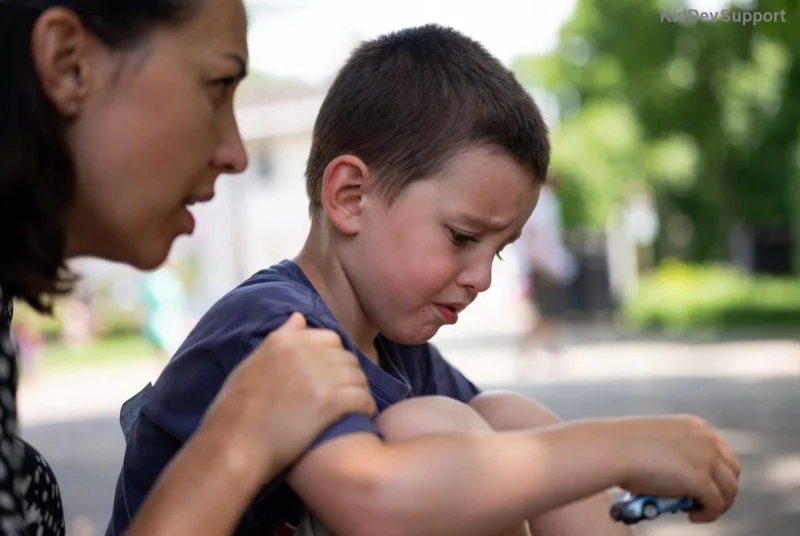
Why Dehydration is Common in Autism: Unpacking the Root Causes
People with autism face a perfect storm of factors making dehydration in autism prevalent. Unlike neurotypical individuals, sensory processing differences play a starring role. Here's why:
- Sensory Sensitivities: Many autistic individuals experience heightened aversion to water's texture, temperature, or taste. Cold water might feel painful, or plain water could seem "bland" or metallic. This leads to avoidance, reducing fluid intake significantly.
- Rigid Routines and Preferences: Preference for specific drinks (like juice) over water creates imbalances. Transitions to hydration routines are tough due to executive functioning challenges.
- Restricted Diets: Common in autism, these often lack water-rich foods like fruits, exacerbating risks.
- Medication Side Effects: Some autism-related meds cause dry mouth or increased urination, unknowingly worsening dehydration.
- Motor and Awareness Issues: Difficulty recognizing thirst signals or physical challenges in drinking independently compounds the problem.
The latest research from leading health organizations confirms these links, showing autistic children are up to twice as likely to be chronically under-hydrated. Understanding this is the first step to fixing dehydration in autism. Ready for the warning signs? Let's spot them early.
Spotting Dehydration in Autism: Key Signs You Can't Ignore
Dehydration symptoms can mimic autism meltdowns, making detection tricky. Watch for these red flags:
| Mild Dehydration Signs ⚠️ |
Severe Dehydration Signs 🚨 |
| Dry mouth, fewer trips to bathroom, dark urine |
Sunken eyes, rapid heartbeat, confusion |
| Fatigue, irritability, headaches |
No tears when crying, dizziness, lethargy |
| Constipation, dry skin |
Fainting, seizures (emergency!) |
In autism, these overlap with sensory overload or anxiety, so track intake daily. Pro tip: Use a simple app or chart for urine color monitoring—pale yellow is ideal. Now, the exciting part: proven ways to fix dehydration in autism.
![Supportive care for autism hydration challenges]()
How to Fix Dehydration in Autism: Practical, Sensory-Friendly Strategies
Reversing dehydration in autism requires creativity tailored to individual needs. Start small for lasting success. Here's your roadmap:
1. Make Hydration Sensory-Approved
- Experiment with temperatures: Room-temp or slightly chilled water in fun textures like silicone cups.
- Add natural flavors: Cucumber, lemon slices, or berries for appeal without sugar overload.
- Visual cues: Colorful bottles or straws that match preferences.
2. Build Routines with Visual Supports
Use picture schedules or timers. Set alarms every 2 hours for "sip time." Reward charts with stickers build positive associations. 🏆
3. Incorporate Hydrating Foods
Boost intake stealthily:
| Food |
Water Content |
Autism-Friendly Tip |
| Watermelon |
92% |
Cut into shapes |
| Cucumbers |
96% |
Smooth texture sticks |
| Yogurt |
88% |
Probiotic pouches |
4. Leverage Technology and Products
- Hydration trackers: Wearables that vibrate for reminders.
- Infuser bottles: Easy flavor infusion.
- Electrolyte packets: For quick rehydration, doctor-approved.
For severe cases, consult a pediatrician. The latest guidelines from Autism Speaks emphasize personalized plans. Occupational therapists shine here, using sensory integration techniques.
5. Monitor and Adjust
Aim for 6-8 cups daily, adjusted by age/weight. Track progress weekly—improved mood and focus are your wins! 😊
Real-Life Success: Autism Hydration Transformations
Parents report game-changers: One switched to glowing LED cups, boosting intake 300%. Another used social stories for "water adventures." These tweaks reduce behaviors linked to dehydration, enhancing overall health. Curious about products? Top picks include insulated sensory bottles and flavor pods—shop smart for deals. 🛒
Final Thoughts: Empower Hydration, Unlock Potential
Dehydration in autism doesn't have to linger. By addressing why it's common—sensory hurdles, routines—and applying these fixes, you can hydrate effectively and see brighter days. Start today: Pick one tip, track for a week, and watch the difference. Your loved one deserves it. Share your story below—what worked for you? For more autism hydration tips, stay tuned! 💪