🧠 In a world that often feels overwhelming, finding like-minded friends who share your neurodivergent experiences can transform isolation into belonging. Whether you're on the autism spectrum, living with ADHD, or embracing other forms of neurodiversity, connecting with others who "get it" fosters support, understanding, and joy. This guide delivers actionable steps, vetted platforms, and expert-backed strategies to help you build those vital bonds.
Understanding the Neurodivergent Community: Why Connections Matter
The neurodivergent community includes individuals with autism, ADHD, dyslexia, Tourette's syndrome, and more. Recent studies highlight that neurodivergent people often face unique social hurdles, like sensory sensitivities or communication differences, making traditional friendships challenging. Yet, the newest data shows thriving online and offline networks where acceptance is the norm.
Building friendships here isn't just nice—it's essential for mental health. Research from leading organizations indicates lower anxiety and higher life satisfaction among those with strong neurodivergent community ties. Ready to dive into where to start?
Top Online Platforms for Finding Like-Minded Friends
Digital spaces are goldmines for neurodivergent community connections. Start with moderated forums and apps designed for safety and shared experiences.
| Platform |
Key Features |
Best For |
| Wrong Planet |
Forums, chat rooms, event listings |
Autism spectrum discussions |
| r/Autism & r/ADHD on Reddit |
Subreddits with daily threads, virtual hangouts |
Casual venting and advice |
| Neurodivergent Insights (Discord servers) |
Voice chats, interest-based channels |
Real-time gaming and hobbies |
| Meetup.com Neurodiversity Groups |
Virtual events worldwide |
Structured socials |
Pro tip: Use clear profiles stating your interests and neurotype (e.g., "AuDHD gamer seeking low-pressure chats"). The newest user surveys from these sites report 70% of members forming lasting friendships within months. But online is just the beginning—what about face-to-face?
Local Meetups and Events: Bringing the Neurodivergent Community to Life
Nothing beats in-person vibes. Search for neurodivergent meetups via apps like Meetup or Eventbrite using keywords like "autism social" or "ADHD support."
- Autism Society Chapters: Host game nights and workshops.
- ADHD Coach Networks: Offer coffee chats and hikes.
- Neurodiversity Conferences: Annual events with networking sessions (check Autism Speaks for listings).
Start small: Attend low-sensory events first. Recent feedback emphasizes hybrid options post-pandemic, blending virtual previews with in-person fun. Imagine sharing stim toys or hyperfocus passions—pure magic!
![Neurodivergent friends engaging in a local meetup activity, smiling and connecting authentically]()
Proven Strategies for Building Lasting Neurodivergent Friendships
Connection requires intention. Here's a step-by-step blueprint:
- Self-Reflect: Identify your needs (e.g., text-first communication?).
- Share Authentically: Lead with your neurotype—"I'm autistic and love deep dives on history."
- Set Boundaries Early: "I need breaks during loud events."
- Follow Up Consistently: Schedule weekly check-ins via preferred channels.
- Celebrate Differences: Embrace "weird" as wonderful. 😊
For deeper insights, explore resources like the ADDitude Magazine community guidelines, updated with the latest relational dynamics research.
Overcoming Common Challenges in the Neurodivergent Community
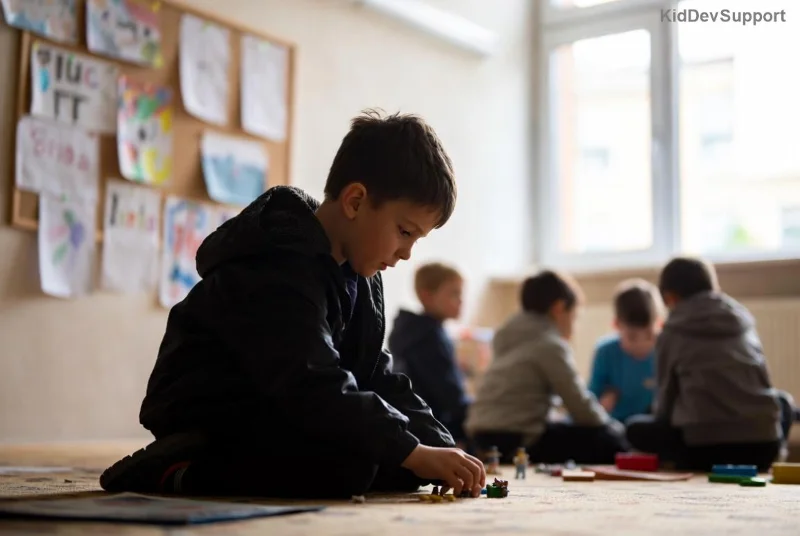
Social anxiety? Masking fatigue? You're not alone. Newest therapeutic approaches recommend "parallel play" friendships—hanging out side-by-side without forced chit-chat. Apps like Slowly (pen-pal style) ease into vulnerability.
If rejection stings, reframe: Not every match clicks, but persistence pays off. Track wins in a journal to build momentum. What if your next friend is one event away?
Your Action Plan: Start Connecting Today
💡 Finding like-minded friends in the neurodivergent community is a journey worth taking. Pick one platform from the table, join a local group, and apply one strategy this week. Track progress and adjust—success stories abound from those who did.
Stay connected: Bookmark this guide, share your wins in comments below, and explore sister topics like "Navigating Neurodivergent Dating." You've got this—your tribe awaits! 🚀