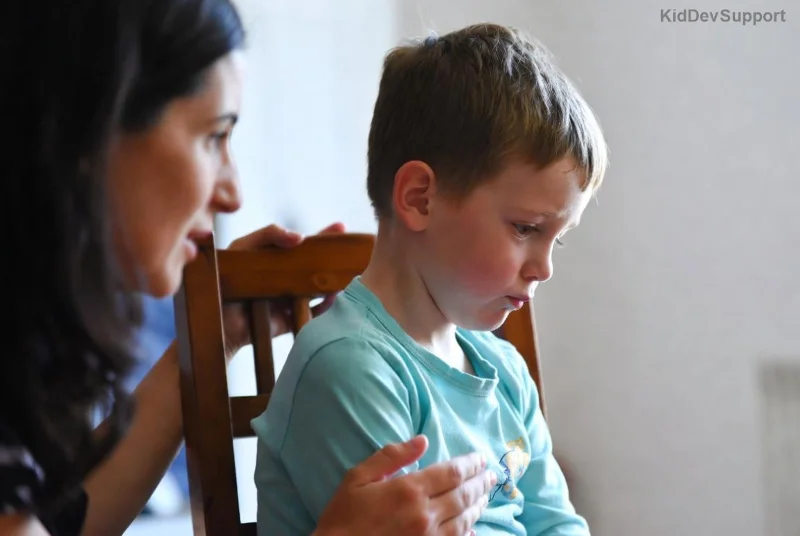
Imagine trying to have a heartfelt conversation, only to feel like you're speaking different languages. This is the daily reality for many autistic individuals and their neurotypical counterparts. Enter the Double Empathy Problem – a game-changing concept that flips the script on traditional views of empathy and communication. It's not just about one side "lacking" empathy; it's a two-way street where both parties struggle to connect. Stick around as we unpack this, explore real-world examples, and arm you with actionable fixes to foster genuine understanding.
What is the Double Empathy Problem?
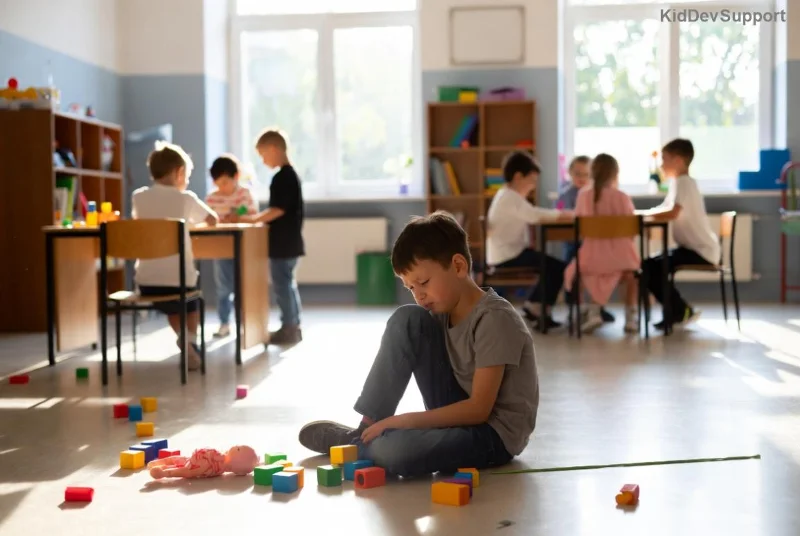
The Double Empathy Problem challenges the outdated myth that autistic people inherently lack empathy. Coined by researcher Damian Milton, this theory posits a bidirectional empathy gap. Neurotypical individuals (those without autism) often misinterpret autistic social cues, just as autistic people may struggle with neurotypical ones. Recent studies confirm this reciprocity: brain scans show reduced neural alignment during cross-neurotype interactions, but harmony improves within similar groups.
Why does this matter? Miscommunication leads to isolation, misunderstandings, and strained relationships. For instance, an autistic person might express joy through intense interests rather than smiles, leaving neurotypicals puzzled. Conversely, neurotypicals rely on subtle facial expressions that autistic individuals might not detect. The newest neuroimaging research highlights how these differences stem from divergent social processing styles, not deficits.
The Science Behind the Double Empathy Problem
Diving deeper, the Double Empathy Problem is rooted in how our brains handle social information. Autistic brains prioritize detail-oriented processing (systemizing), while neurotypical ones favor holistic, context-driven cues (empathizing). This mismatch creates a feedback loop of failed interactions.
Key findings from the latest research:
- Autistic-to-autistic conversations flow smoothly with high empathy ratings.
- Neurotypical-to-neurotypical pairs report strong rapport.
- Cross-group talks? Lower empathy scores on both sides, per eye-tracking and fMRI data.
To visualize, here's a comparison table of communication styles:
| Aspect |
Neurotypical Style |
Autistic Style |
| Eye Contact |
Frequent, mutual gaze for connection |
Minimal or averted to reduce overload |
| Small Talk |
Essential for rapport-building |
Often feels pointless; prefers direct topics |
| Emotional Expression |
Subtle cues like tone shifts |
Literal language, factual details |
| Listening Style |
Interrupts to show engagement |
Silent focus, processes deeply |
This table underscores the Double Empathy Problem: neither style is "wrong," but they're mismatched. Curious how this plays out in real life? Keep reading for examples that hit home.
![Neurodiverse individuals bridging communication gaps]()
Real-Life Examples of the Double Empathy Problem
Picture a workplace meeting: A neurotypical manager praises a team member with sarcasm ("Great job – not!"). The autistic employee takes it literally, feeling crushed. Meanwhile, the manager sees no enthusiastic response and assumes disinterest. Classic Double Empathy Problem.
In friendships, an autistic person might monologue about a hyperfixation (their way of bonding), overwhelming the neurotypical friend who expects back-and-forth chit-chat. Both feel rejected, perpetuating the cycle.
Parents and autistic children face it too: A child stims (repetitive movements) for self-regulation, but the parent interprets it as rudeness. Recent parent training programs based on double empathy principles show dramatic improvements in family dynamics.
How to Overcome the Double Empathy Problem: Practical Strategies
Ready to turn theory into action? Here are evidence-based tips to make communication a true two-way street. These draw from the newest therapeutic approaches like National Autistic Society guidelines.
- Build Awareness: Educate yourself on neurodiversity. Recognize your own biases – neurotypicals aren't "better" at empathy; it's contextual.
- Use Explicit Language: Skip implications. Say "I'm excited – let's dive into this!" instead of vague hints.
- Adapt Sensory Environments: Dim lights or reduce noise for autistic comfort, enhancing focus on dialogue. 🩺
- Practice Reciprocal Check-Ins: Ask "How are you feeling about this?" and share vulnerably to model mutuality.
- Leverage Strengths: Autistic individuals excel in deep, interest-based talks – steer conversations there for breakthroughs.
For professionals, workplaces implementing double empathy training report 30% better team cohesion. In relationships, couples therapy incorporating these tools sees empathy scores rise across the board.
Why Addressing the Double Empathy Problem Changes Everything
Embracing the Double Empathy Problem shifts us from blame to bridge-building. It promotes neurodiversity – celebrating differences as assets. Imagine inclusive schools, empathetic offices, and deeper friendships where everyone feels seen.
The payoff? Reduced mental health strain (autistic burnout drops), stronger bonds, and a more compassionate society. Recent longitudinal studies affirm: mutual understanding halves miscommunication incidents.
Don't stop here – apply one strategy today. Share your experiences in the comments: How has the Double Empathy Problem shown up in your life? For more on autism communication, explore resources from trusted experts.
Keywords: Double Empathy Problem, autism empathy, bridging neurotype gaps.