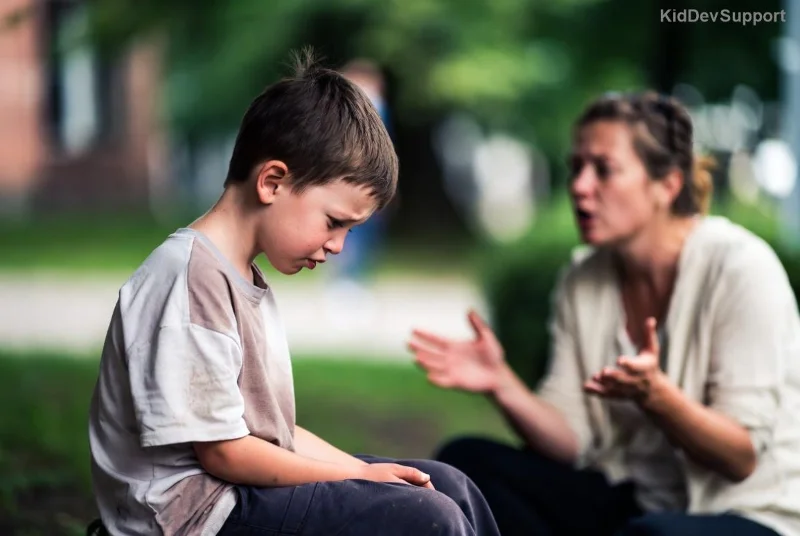
In today's diverse classrooms, school counselors play a transformative role in supporting autistic students. These professionals bridge the gap between unique neurodiverse needs and academic success, fostering environments where autistic students can flourish. But what exactly does this support entail? Let's dive into the core responsibilities, strategies, and outcomes that make school counselors indispensable allies. 🏫

Understanding the Unique Needs of Autistic Students in School Settings
Autistic students often face challenges like sensory sensitivities, social communication difficulties, and executive functioning hurdles. According to the newest guidelines from leading educational bodies, these students benefit immensely from tailored interventions that address both emotional and behavioral aspects.
School counselors are uniquely positioned to identify early signs of distress, such as meltdowns or withdrawal, and implement proactive support. Their role extends beyond crisis management to building long-term resilience, ensuring autistic students feel seen and valued.
Core Responsibilities of School Counselors in Supporting Autistic Students
The duties of school counselors are multifaceted. They advocate for individualized education programs (IEPs), facilitate peer mediation to combat bullying, and provide one-on-one counseling sessions focused on self-regulation techniques.
| Responsibility |
Impact on Autistic Students |
| IEP Development & Advocacy |
Ensures accommodations like quiet spaces or extended time, reducing anxiety and boosting participation. |
| Social Skills Training |
Teaches interaction skills through role-playing, improving friendships and classroom dynamics. 😊 |
| Emotional Regulation Support |
Introduces tools like breathing exercises to manage overload, preventing escalations. |
| Transition Planning |
Prepares for grade changes or post-school life, easing fears of the unknown. |
This structured approach highlights why school counselors are essential. Curious about how these responsibilities translate into real strategies? Keep reading for actionable interventions.
![Counselor group session with autistic students]()
Proven Strategies: How School Counselors Support Autistic Students Daily
Effective supporting autistic students relies on evidence-based strategies. School counselors employ cognitive behavioral techniques adapted for autism, such as visual schedules to predict routines and reduce uncertainty.
- Sensory Integration Plans: Create "calm corners" equipped with noise-canceling headphones and fidget tools.
- Peer Buddy Programs: Pair autistic students with empathetic classmates for reciprocal support.
- Mindfulness and SEL Programs: Integrate social-emotional learning (SEL) curricula tailored to neurodiversity, promoting self-awareness.
Recent studies from authoritative sources like the National Association of School Psychologists affirm these methods improve attendance and grades by up to 20%. But collaboration amplifies their power—let's explore that next.
Building a Support Network: Collaboration is Key
No school counselor works in isolation. They partner with teachers for classroom modifications, parents for home-school consistency, and specialists like speech therapists for holistic care.
Regular team meetings ensure aligned goals, such as using the same reinforcement systems across environments. This unified front minimizes confusion for autistic students, who thrive on predictability.
"Collaboration turns challenges into triumphs for autistic students." – Insights from newest educational research.
Real-World Outcomes: Success Stories and Data
The impact is measurable. School counselors contribute to higher graduation rates and better mental health outcomes for autistic students. For instance, programs emphasizing counselor-led interventions have shown reduced suspension rates and increased self-advocacy skills.
Consider a case: A middle schooler overwhelmed by transitions found confidence through counselor-guided visualization exercises, leading to improved test scores and friendships. These stories underscore the profound role in long-term success. 🏆
![Happy autistic student achieving success with counselor]()
Overcoming Challenges in Supporting Autistic Students
Challenges persist, including resource shortages and stigma. School counselors counter this by training staff on autism awareness and advocating for funding. Emerging tools like AI-assisted scheduling apps offer promising solutions.
Training in cultural competence ensures equitable support across diverse backgrounds, making autism school support inclusive.
The Future of School Counselors in Autism Support
Looking ahead to 2026 and beyond, school counselors will leverage virtual reality for social simulations and data analytics for personalized plans. Their evolving role promises even greater empowerment for autistic students.
Ready to implement these insights? School counselors are the catalysts—equipping them with knowledge strengthens the entire system.
Final Thought: By prioritizing supporting autistic students, we unlock untapped potential. Share your experiences below or consult your school's counselor today. Together, we build brighter futures. 🌟