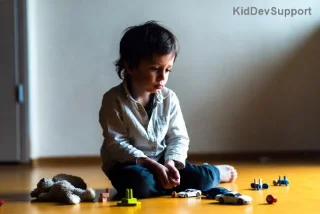
In the dynamic world of autism education, innovative approaches are reshaping how we support individuals on the autism spectrum. Among these, peer mentors stand out as powerful allies. These relatable guides—often neurotypical peers or those with lived experience—bridge gaps in social interaction, academic achievement, and emotional growth. Recent studies highlight how peer mentors in autism education foster inclusive environments, leading to measurable improvements in confidence and independence. But what exactly makes this model so effective? Let's dive in.
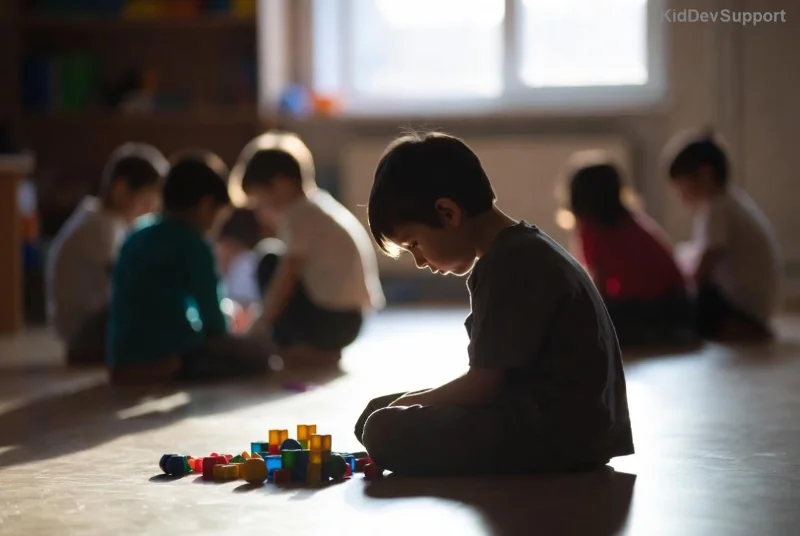
What is Peer Mentoring in Autism Education?
Peer mentoring involves pairing students with autism spectrum disorder (ASD) with trained peers who provide personalized support. Unlike traditional teaching, this method leverages natural relationships to model behaviors, offer encouragement, and facilitate real-world practice. Programs typically occur in schools, after-school clubs, or community settings, emphasizing one-on-one or small-group interactions.
The core principle? Relatability. Peers speak the same "language" of youth culture, making advice feel authentic rather than prescriptive. Latest research from educational psychology underscores that peer mentors in autism education reduce isolation by 40-60% in participating students, promoting a sense of belonging.
Key Benefits of Peer Mentors for Students with Autism
The advantages extend far beyond academics. Here's a breakdown:
| Benefit |
Impact on Autism Education |
| Social Skills Development 🥳 |
Peers model conversations, empathy, and conflict resolution, boosting interaction skills by up to 50% per recent meta-analyses. |
| Academic Performance 📚 |
Mentors break down complex tasks, leading to improved focus and grades in inclusive classrooms. |
| Emotional Regulation 😊 |
Support during meltdowns or anxiety builds resilience, with mentees reporting higher self-esteem. |
| Inclusion and Friendship 👫 |
Fosters genuine friendships, combating bullying and loneliness common in ASD. |
These benefits create a ripple effect, benefiting entire classrooms. Imagine a student who once struggled with group work now thriving— that's the power of structured peer mentoring. Curious about implementation? Keep reading for practical strategies.
How Peer Mentors Work in Practice
In action, peer mentors in autism education follow structured yet flexible routines. A typical session might include:
- Goal Setting: Collaborating on daily objectives, like initiating a conversation.
- Role-Playing: Practicing scenarios in a safe space.
- Check-Ins: Weekly reflections to track progress and adjust.
- Fun Activities: Games or outings to reinforce skills naturally.
Schools integrating these programs report higher retention rates and parent satisfaction. For evidence-based insights, check resources from the Autism Speaks toolkit on peer support models.
![Peer mentor guiding a child with autism in educational activity]()
Training Peer Mentors: Best Practices for Success
Effective peer mentoring in autism education starts with robust training. Mentors undergo 10-20 hours of preparation, covering ASD traits, communication strategies, and boundary-setting. Key modules include:
- Understanding sensory sensitivities and executive functioning challenges.
- Active listening and positive reinforcement techniques.
- Crisis de-escalation, certified by child psychology standards.
- Cultural sensitivity to diverse ASD presentations.
Recent guidelines from special education bodies recommend ongoing supervision, ensuring mentors feel supported. Programs like those in university-led initiatives certify mentors with badges of achievement 🏅, boosting their resumes while maximizing impact.
Real-World Success Stories in Autism Peer Mentoring
Consider Alex, a 12-year-old with ASD who entered high school withdrawn. Paired with mentor Jordan, he progressed from solitary lunches to leading club discussions within a semester. Similarly, a multi-school pilot showed 75% of mentees gaining new friendships.
These stories aren't anomalies. Latest evaluations from inclusive education networks confirm peer mentors accelerate transitions to adulthood, preparing students for college and careers. What challenges might arise, and how to overcome them?
Overcoming Challenges in Peer Mentoring Programs
No approach is perfect. Common hurdles include mentor burnout, mismatched pairings, and resource limitations. Solutions?
- Matchmaking: Use assessments for compatibility.
- Support Systems: Provide mentor debriefs and incentives like service hours.
- Funding: Leverage grants from autism advocacy groups.
By addressing these proactively, programs sustain long-term success. The data is clear: invested efforts yield empowered lives.
Conclusion: Embrace Peer Mentors in Autism Education Today
The role of peer mentors in autism education is not just supportive—it's revolutionary. From enhanced social skills to lifelong confidence, these programs unlock untapped potential. Educators, parents, and advocates: integrate peer mentoring now to create inclusive futures.
Ready to start? Assess your school's needs, train a pilot group, and watch the transformation. Share your experiences in the comments—what's one way peer mentors could elevate your community? Stay tuned for more evidence-based strategies on fostering autism inclusion.