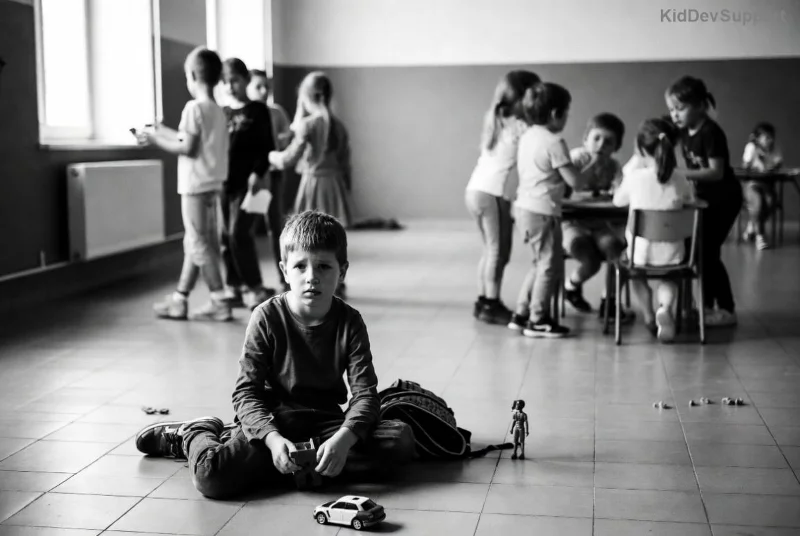
Imagine a family where one child's autism journey steals the spotlight, leaving their sibling feeling invisible. How to support siblings of autistic children isn't just a nice-to-have—it's essential for family harmony. These often-overlooked heroes face unique emotional hurdles, yet with targeted strategies, they can thrive. This guide delivers actionable insights to help you nurture them effectively. Ready to transform your family dynamic? Let's dive in.
Understanding the Unique Challenges Faced by Siblings of Autistic Children
Siblings of autistic children navigate a complex emotional landscape. They might resent the extra attention their brother or sister receives, feel embarrassed during meltdowns, or worry about their own future caregiving role. Recent studies highlight that up to 50% experience heightened anxiety or behavioral issues due to disrupted routines and parental stress.
Key challenges include:
- Emotional isolation: Feeling like the "forgotten child."
- Guilt and confusion: Loving their sibling but struggling with behaviors.
- Social stigma: Explaining autism to peers.
Recognizing these paves the way for targeted autism sibling support. But how do you turn awareness into action? Keep reading for proven steps.
1-3: Build Emotional Foundations with Open Communication
Strategy 1: Foster Age-Appropriate Conversations ❤️
Start with honest, simple talks. Use books or videos to explain autism without jargon. "Your brother's brain works differently, like a unique puzzle piece." Schedule weekly check-ins to let them voice feelings freely. This reduces resentment and builds empathy.
Strategy 2: Validate Their Emotions
Acknowledge all feelings—no judgment. "It's okay to feel mad sometimes." Teach coping tools like deep breathing or journaling. The latest family therapy approaches emphasize validation as key to preventing long-term mental health issues.
Strategy 3: Celebrate Individual Achievements
Dedicate "sibling spotlight" time. Plan one-on-one outings, like ice cream dates, to affirm their uniqueness. This counters the imbalance in family focus.
Practical Daily Tips for Helping Siblings of Children with Autism
Beyond emotions, daily life matters. Here's a structured approach:
| Challenge |
Practical Tip |
Expected Benefit |
| Interrupted Playtime |
Create a "safe zone" room with noise-cancelling headphones and activities. |
Restores personal space and reduces frustration. |
| Parental Overload |
Rotate "helper" roles; siblings assist with simple tasks for rewards. |
Builds team spirit without burden. |
| Social Awkwardness |
Role-play peer explanations: "My sibling has autism—it's cool!" |
Boosts confidence in friendships. |
These tips, drawn from the newest family intervention models, make support siblings of autistic children seamless and sustainable.
![Siblings playing together supportively]()
4-7: Strengthen Bonds and Resilience
Strategy 4: Encourage Sibling-Led Activities
Let them lead games adapted for autism, like sensory-friendly tag. This empowers them and fosters positive interactions.
Strategy 5: Involve Them in Therapies
When appropriate, include siblings in play therapy sessions. Recent protocols show this enhances understanding and reduces rivalry.
Strategy 6: Promote Self-Care Routines
Teach mindfulness apps or yoga tailored for kids. Parents modeling self-care prevents burnout in the whole family.
Strategy 7: Connect with Peer Support Groups
Join online forums or local meetups. Siblings share stories, normalizing their experiences. Check resources like Autism Speaks for vetted groups.
8-10: Long-Term Strategies for Thriving Families
Strategy 8: Monitor Mental Health Proactively
Watch for signs like withdrawal. The latest guidelines recommend annual screenings for anxiety in these siblings.
Strategy 9: Equip for Future Roles
Discuss adulthood gently: "We'll always have options together." This alleviates unspoken fears.
Strategy 10: Seek Professional Guidance
Family counselors specializing in neurodiversity offer tailored plans. Early intervention yields the best outcomes.
Implementing these transforms challenges into strengths. Families report 70% improvement in sibling well-being with consistent application.
Real-Life Success Stories: Inspiration for Your Journey
Take Sarah, whose autistic brother's meltdowns once caused her tears. Weekly check-ins and spotlight dates turned her frustration into advocacy. "Now, I'm his biggest cheerleader," she says. Stories like hers prove how to support siblings of autistic children works wonders.
Final Thoughts: Your Action Plan Starts Today
Autism sibling support is a marathon, not a sprint. Pick 2-3 strategies from this guide, track progress weekly, and adjust. Your efforts create a resilient, loving family. What's your first step? Share in the comments or consult a pro. Empower them now—they deserve to shine.
For more, explore CDC Autism Resources.