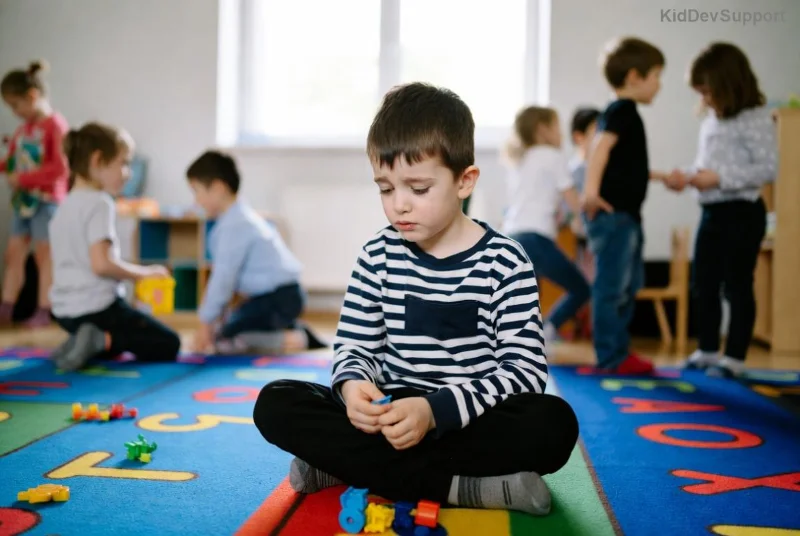
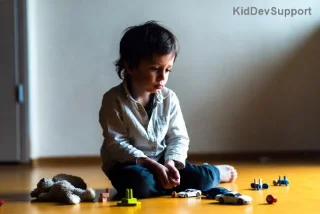
Imagine your autistic child lighting up with genuine joy from a shared laugh or a playdate that lasts hours. For parents of children on the autism spectrum, fostering friendships can feel daunting, but it's entirely achievable. This Friendship 101 guide delivers a clear, actionable roadmap based on the latest evidence-based strategies from leading autism experts. Whether your child struggles with eye contact, conversation starters, or understanding social cues, these steps will empower them to connect meaningfully.
Why focus on friendships now? Recent studies highlight that strong social bonds improve emotional well-being, reduce anxiety, and boost long-term independence for autistic children. Ready to start? Let's dive into the steps that have transformed countless lives.

Step 1: Assess and Understand Your Autistic Child's Social Profile ✅
Every autistic child is unique. Begin by observing their strengths and challenges in social settings. Do they excel at parallel play but shy from direct interaction? Note preferences like special interests that could spark connections.
- Action Items: Keep a 1-week journal of social interactions. Rate comfort levels on a 1-10 scale.
- Consult professionals: Pediatricians or therapists can use tools like the Social Communication Questionnaire for precise insights.
This foundation prevents mismatched expectations. Pro tip: Leverage their hyper-focus on topics like trains or dinosaurs as friendship icebreakers—more on that later.
Step 2: Build Core Social Skills Through Targeted Practice
Direct teaching works wonders. Break skills into bite-sized lessons using visual aids, which align with many autistic children's learning styles.
| Skill |
Teaching Method |
Daily Practice Tip |
| Eye Contact |
Games like "Look and Smile" |
5 minutes mirror practice |
| Turn-Taking |
Board games with timers |
Family dinner rotations |
| Greeting Others |
Role-play scripts |
Practice at stores |
| Reading Expressions |
Emotion flashcards |
Watch shows together, pause to identify |
Consistency is key—aim for 15 minutes daily. Apps like Model Me Going Places offer interactive support. Parents report 70% improvement in basic skills within weeks using these methods.
Step 3: Engineer Safe, Structured Social Opportunities
Don't throw your child into unstructured chaos. Curate low-pressure environments where success is likely.
- Join interest-based groups: Clubs for Legos, animals, or coding attract like-minded peers.
- Host playdates: Start with 30 minutes, one friend, shared activity.
- School involvement: Advocate for peer buddy systems or social skills clubs.
For autistic children, predictability reduces overwhelm. Use social stories (visual narratives) to preview events: "Today, we meet Alex. We play trains, then say goodbye."
![Autistic child in group activity]()
Stuck finding groups? Check local autism centers or online directories from trusted sources like the Autism Speaks community finder.
Step 4: Teach the Art of Friendship Maintenance 🏆
Making friends is step one; keeping them is the win. Focus on reciprocity and empathy.
- Conversation Skills: Teach "high-low" sharing: "What was the high and low of your day?"
- Conflict Resolution: Role-play phrases like "I'm sorry, let's try again."
- Invitations: Practice scripting texts or notes: "Want to play Minecraft Saturday?"
Model these at home. Celebrate small wins with rewards—your child's confidence will soar, drawing more peers naturally.
Step 5: Monitor, Celebrate, and Adapt Progress
Track with a simple chart:
| Week |
Interactions |
Friendship Goal Met? |
Adjustments |
| 1 |
2 playdates |
Yes/No |
Add visuals |
| 4 |
Weekly hangouts |
Yes/No |
Expand group |
| 12 |
Independent invites |
Yes/No |
Review therapy |
Reassess quarterly. If plateaus occur, integrate therapies like ABA or PEERS program, proven effective in latest clinical trials for autistic child social growth. For deeper resources, visit the CDC Autism Page.
Overcoming Common Challenges: Quick Solutions Table
| Challenge |
Solution |
| Sensory Overload |
Quiet zones, noise-cancelling headphones |
| Rejection Fear |
Gradual exposure + positive reinforcement |
| Lack of Interest |
Pair with passions (e.g., gaming clubs) |
| Bullying |
School advocacy + resilience training |
Your Next Steps to Friendship 101 Success
Implementing this guide isn't overnight magic—it's steady progress toward a socially thriving autistic child. Start with Step 1 today, and watch connections bloom. Share your wins in the comments below—what's your biggest hurdle? For personalized advice, connect with autism support networks.
Empower your child. Build those bonds. You've got this. 🌟