In a world increasingly aware of neurodiversity, global trends in autism care are evolving rapidly. From evidence-based therapies in the West to holistic community models in Asia and Africa, cultures worldwide are tailoring support for the autism spectrum. This article dives into these diverse approaches, highlighting how they empower individuals with Autism Spectrum Disorder (ASD) to thrive. Whether you're a parent, educator, or advocate, understanding these global trends can inspire better support strategies.
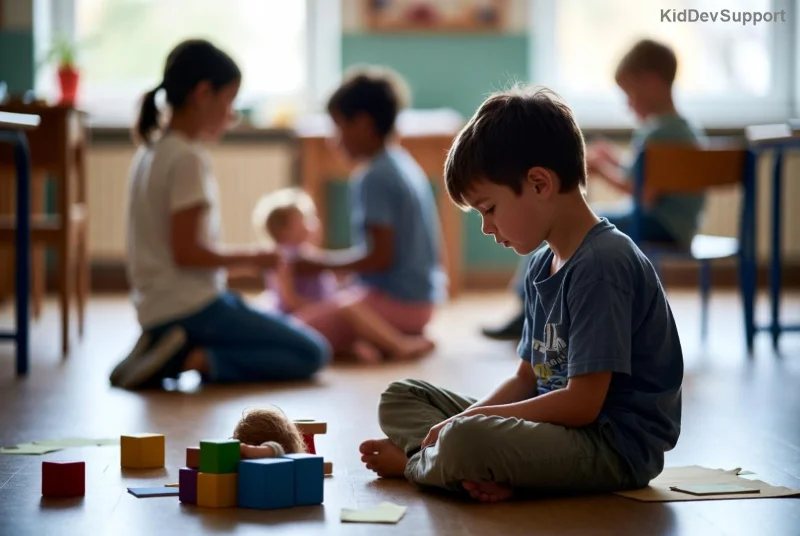
Understanding the Autism Spectrum: A Universal Challenge with Cultural Solutions
The autism spectrum encompasses a wide range of conditions characterized by challenges with social skills, repetitive behaviors, speech, and nonverbal communication. Latest global data shows rising awareness and diagnosis rates, prompting innovative care models. Key global trends in autism care include early intervention, technology integration, and inclusive education—adapted uniquely across cultures.
Core Pillars of Modern Autism Care
- Early Diagnosis and Intervention: Critical for better outcomes, with screening tools now standard in many regions. ✅
- Personalized Therapies: From behavioral to sensory integration, customized to individual needs.
- Inclusive Communities: Shifting from isolation to empowerment through societal integration.
Western Approaches: Evidence-Based and Tech-Driven Autism Care
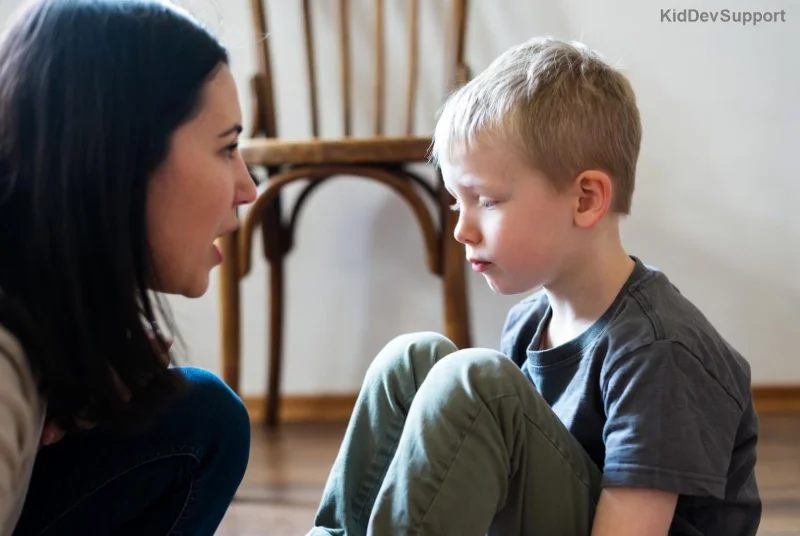
In North America and Europe, autism care emphasizes structured, research-backed interventions. The U.S. leads with Applied Behavior Analysis (ABA), a therapy using positive reinforcement to build skills. Recent advancements include telehealth platforms for remote therapy, making support accessible during global challenges.
Europe focuses on inclusive education under frameworks like the UK's National Autistic Society guidelines. Schools integrate sensory rooms and trained aides, fostering independence. Latest trends show a rise in neurodiversity-affirming models, celebrating strengths like exceptional focus and creativity.
| Region |
Key Approach |
Innovations |
| USA |
ABA Therapy |
AI apps for skill-building |
| Europe |
Inclusive Education |
Sensory integration rooms |
![Child in ABA therapy session]()
Asian Perspectives: Community Harmony and Holistic Autism Support
Asia blends tradition with modernity in autism care. Japan employs "Group Homes" for adults, promoting social integration within harmonious communities. Their latest robot-assisted therapies, like PARO the seal robot, reduce anxiety effectively.
In India, grassroots NGOs like Action for Autism emphasize family training and vocational programs. Cultural stigma is fading with Bollywood awareness campaigns. China invests in massive screening programs, integrating Traditional Chinese Medicine (TCM) like acupuncture alongside Western therapies for sensory regulation.
These approaches highlight collectivism: support networks extend beyond families to villages, ensuring lifelong care.
Success Metrics in Asia
- Japan: High employment rates for autistic adults via job coaching. 🏆
- India: Community centers serving thousands with low-cost therapies.
African Innovations: Resilience Through Communal Autism Care
Africa's global trends in autism care leverage strong family and tribal bonds. In South Africa, the Autism South Africa organization runs peer-support groups and early intervention in townships. Latest initiatives include mobile clinics reaching rural areas.
Kenya and Nigeria focus on "Ubuntu" philosophy—community interconnectedness—training traditional healers alongside psychologists. Vocational training in crafts and farming empowers independence, countering resource scarcity creatively.
For more on African models, check WHO's autism resources.
![Community autism support in diverse cultural setting]()
Middle East and Latin America: Faith, Family, and Emerging Tech
In the Middle East, UAE and Saudi Arabia fund state-of-the-art centers with VR therapies for social skills. Family-centric Islamic values integrate prayer adaptations and mosque inclusivity.
Latin America, like Brazil's ABA networks and Mexico's art therapy programs, emphasizes emotional expression. Recent teletherapy booms post-pandemic bridge urban-rural gaps.
Emerging Global Trends in Autism Care: Bridging Cultures
Cross-cultural exchanges are accelerating progress. International collaborations, like the Autism Speaks global network, share best practices. Key trends include:
- AI and Wearables: Tracking behaviors in real-time.
- Neurodiversity Advocacy: From Silicon Valley to Seoul, viewing autism as a difference, not deficit.
- Policy Shifts: Universal design in public spaces worldwide.
| Trend |
Cultural Adoption |
Impact |
| AI Tools |
Japan, USA |
Personalized learning 😊 |
| Community Models |
Africa, Asia |
Lifelong support networks |
The Future of Autism Spectrum Support: A Unified Global Effort
As global trends in autism care converge, the focus sharpens on equity. Imagine a world where every child on the spectrum accesses tailored support, regardless of culture. Parents: Start with local resources and advocate for inclusivity. Educators: Adopt flexible teaching. Together, we're building bridges across the spectrum.
Ready to dive deeper? Explore region-specific programs or share your story in the comments. What cultural approach resonates most with you?
For authoritative insights, visit CDC's autism page or Autism Speaks.