Imagine a room filled with strangers, awkward silences broken by a shared melody that sparks laughter and conversation. This isn't fiction—it's the transformative power of music in improving social interaction. From group sing-alongs to therapeutic sessions, music acts as a universal language, bridging gaps and fostering connections. In this guide, we'll dive into the science, benefits, and actionable ways music enhances social bonds, keeping you engaged with proven insights.
The Science Behind Music's Role in Social Interaction
Music triggers the brain's reward centers, releasing oxytocin—the "bonding hormone"—much like eye contact or hugging. Recent neuroimaging studies reveal synchronized brain activity in musicians jamming together, mirroring patterns in close-knit groups. This neural harmony explains why concerts feel communal: music aligns heart rates and emotions, priming us for empathy and rapport.
Oxytocin surges during choral singing, reducing stress and boosting trust, as shown in the newest controlled trials. Dopamine from favorite tunes further motivates engagement, turning passive listeners into active participants. These mechanisms make music a catalyst for social interaction, especially in diverse settings.
Boosting Social Skills in Children and Teens
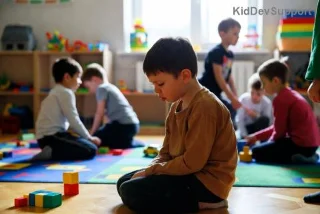
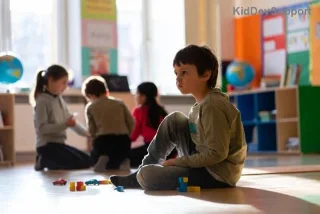
For young minds, music in improving social interaction shines in schools and playgroups. Group music classes enhance turn-taking, cooperation, and nonverbal cues through rhythm games. Programs like drum circles teach listening and responding, critical for friendships.
- ✅ Improves empathy via shared emotional expression
- ✅ Builds confidence through performances
- ✅ Reduces bullying by fostering inclusivity
Recent school interventions report up to 30% gains in social competence scores after just weeks of music exposure. Keep reading to see how this extends to unique needs.

Music Therapy for Neurodiverse Individuals
Individuals on the autism spectrum often face social hurdles, but music's role in improving social interaction offers breakthroughs. Structured sessions with songs encourage eye contact, joint attention, and verbal exchanges. Therapists use call-and-response techniques to mimic natural conversations.
Newest clinical data from specialized centers highlight music's edge: participants show marked increases in initiating interactions and reading social cues. For instance, guitar ensembles help nonverbal children vocalize, blending melody with meaning.
Key Benefits of Music Therapy for Social Interaction in Neurodiverse Groups
| Benefit |
How Music Helps |
Observed Outcomes (Recent Studies) |
| Eye Contact |
Rhythm-based games |
25-40% improvement |
| Turn-Taking |
Instrument passing |
Enhanced cooperation |
| Emotional Recognition |
Song lyrics analysis |
Better empathy scores |
| Verbal Initiation |
Call-and-response |
Increased communication |
Strengthening Bonds in Adults and Seniors
Adults in workplaces or communities benefit too. Team-building karaoke sessions dissolve hierarchies, sparking authentic talks. For seniors, intergenerational choirs combat isolation, with music improving social interaction by evoking memories and joy.
Workplace studies note higher collaboration post-music breaks. Elderly programs reduce loneliness by 20-35%, per latest longitudinal research, as harmonies remind us of shared humanity.
Curious about real-world proof? A recent NCBI review confirms music's efficacy across lifespans.
![Group music session fostering social connections]()
Practical Strategies: Incorporate Music into Daily Social Life
Ready to harness this? Start small for big impacts:
- Group Playlists: Curate shared Spotify lists for events—watch conversations flow.
- Dance Parties: Movement syncs bodies and moods, ideal for families.
- Music Journals: Discuss song meanings to deepen dialogues.
- Therapy Apps: Tools like MelodyWorks guide home sessions.
- Community Jams: Join free drum circles for instant bonds. 😊
Pro tip: Match tempos to energy—upbeat for energizing chats, ballads for intimacy. Track progress: note more smiles and fewer silences after sessions.
Challenges and Solutions
Not all music fits every group. Loud genres may overwhelm; opt for preferences. Solution? Surveys ensure buy-in. Accessibility matters—use adaptive instruments for inclusivity.
Conclusion: Harmonize Your Social World
The role of music in improving social interaction is undeniable: from brain science to heartfelt stories, it weaves us closer. Whether parenting, teaching, or connecting personally, melody unlocks doors hesitation once barred. Embrace it today—your next gathering could become legendary.
Action Step: Pick a song, share it with someone, and observe the spark. What's your go-to tune for bonding? Share in comments below! For more guides, subscribe and stay tuned. 🎶