Family gatherings like holidays, reunions, or birthdays can be joyful for many, but for those on the autism spectrum, they often bring sensory overload, social anxiety, and emotional exhaustion. If you're wondering how to navigate family gatherings with autism, you're not alone. Recent insights from autism advocacy groups highlight that tailored strategies can transform these events from dreaded to manageable. This guide delivers concise, actionable advice to help you thrive.
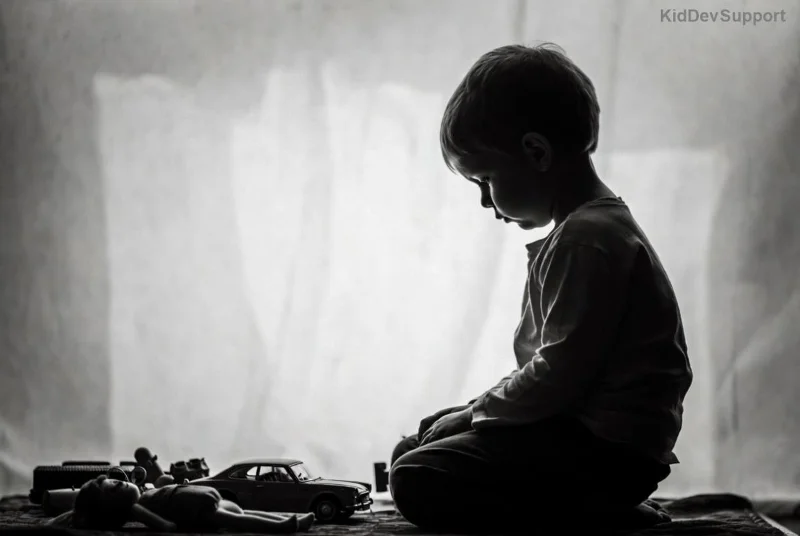
1. Understand the Challenges: Sensory Overload and Social Demands
Autistic individuals often experience heightened sensitivity to noise, lights, crowds, and unstructured interactions. According to the latest research from leading autism organizations, up to 90% report sensory issues during social events. Recognizing triggers is step one in how to navigate family gatherings with autism.
- Noise from chatter and music: Feels like a deafening roar.
- Bright lights and smells: From decorations and food.
- Social expectations: Small talk, hugs, or unexpected changes in routine.
Pro tip: Track past gatherings in a journal to identify personal patterns. This empowers proactive planning.
2. Preparation Strategies: Set Yourself Up for Success
Preparation reduces anxiety by 50%, per recent sensory integration studies. Start weeks ahead for autism family gatherings.
| Preparation Step |
Action Items |
Why It Helps |
| Visual Schedule |
Create a timeline with photos of events (e.g., dinner at 6 PM). |
Reduces uncertainty; autistic brains crave predictability. |
| Sensory Kit |
Pack noise-canceling headphones 🎧, fidget toys, sunglasses, favorite snack. |
Provides immediate relief from overload. |
| Family Briefing |
Share a one-page guide on your needs (e.g., "Quiet space available"). |
Fosters understanding and accommodations. |
| Practice Runs |
Role-play conversations or visit similar venues beforehand. |
Builds confidence through repetition. |
These steps make autism holiday tips practical and effective.
3. During the Gathering: Real-Time Navigation Tactics
Once there, focus on pacing. Arrive early to acclimate or plan a short stay—quality over quantity.
- Designate a Safe Space: Identify a quiet room as your retreat. Inform one trusted family member.
- Use Break Signals: A hand gesture or phrase like "Need a recharge" to exit gracefully.
- Script Social Interactions: Prepare 3-5 go-to responses for small talk, e.g., "Great to see you! How's work?"
- Mindful Eating: Choose sensory-friendly foods; avoid overwhelming buffets.
- Body Doubling: Stick with one supportive person to buffer interactions.
![Autism sensory strategies at family events]()
Implementing these turns chaos into control during autism spectrum disorder family events.
4. Communication: Educate Family Without Overload
Clear, compassionate talks prevent misunderstandings. Use "I" statements: "I feel overwhelmed by loud noises, so headphones help me enjoy time with you."
Share resources like Autism Speaks toolkits for deeper understanding. Host a pre-gathering video call to set expectations, emphasizing positives: "Your support makes these gatherings special."
5. Managing Meltdowns and Shutdowns
Meltdowns (outward distress) or shutdowns (withdrawal) are common responses to overload. Latest neurodiversity-affirming approaches stress prevention over reaction.
- Deep pressure: Weighted blanket or hugs if consensual.
- Breathing exercises: 4-7-8 technique (inhale 4, hold 7, exhale 8).
- Exit strategy: Pre-planned departure without guilt.
For more, check CDC autism resources.
6. Post-Gathering Recovery: Recharge Effectively
Recovery is crucial—plan downtime equal to event duration. Dim lights, favorite activities, and no social media for 24-48 hours.
| Recovery Activity |
Duration |
Benefit |
| Sensory Bath |
20 mins |
Calms nervous system. |
| Special Interest Time |
1-2 hours |
Replenishes joy 😊. |
| Journal Debrief |
15 mins |
Processes emotions for next time. |
![Recovery after autism family gatherings]()
7-10. Advanced Tips for Long-Term Success
7. Ally Building: Recruit a "gathering buddy" family member for advocacy.
8. Tech Aids: Apps like Calm for noise masking or Daylio for mood tracking.
9. Boundaries: Politely decline invites if needed—"We'll catch up virtually!"
10. Celebrate Wins: Reflect on successes to build resilience 🏅.
Final Thoughts: Empower Your Gatherings
Mastering how to navigate family gatherings with autism is about self-advocacy and collaboration. These strategies, drawn from the newest evidence-based practices, equip you for enjoyable connections. Start small—what's one tip you'll try next time? Share in comments below for community support.
Ready for more? Explore our guides on autistic family strategies and sensory-friendly living.