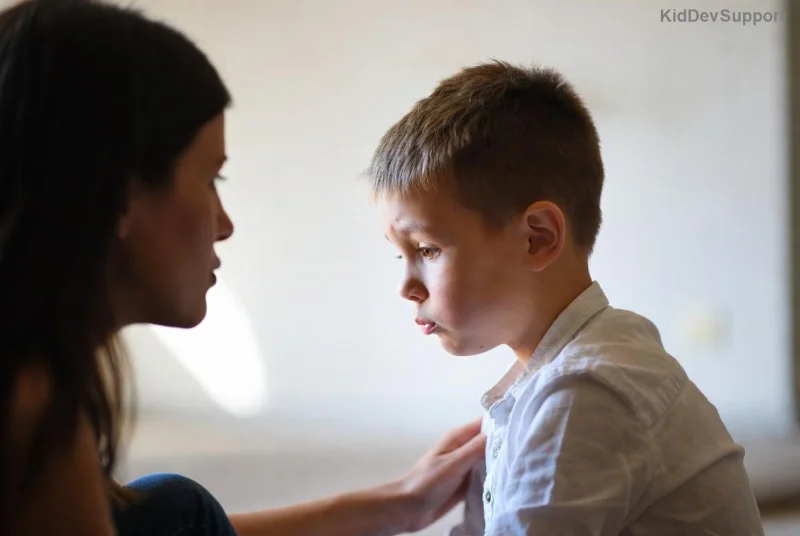
In today's diverse classrooms and playgrounds, children often encounter peers with different needs. Learning how to talk to children about their autistic peers empowers parents to build empathy and kindness early on. This guide provides practical, expert-informed strategies to explain autism spectrum disorder (ASD) simply, address common questions, and promote inclusion—helping your child become a compassionate friend.
Understanding Autism Spectrum Disorder Basics
Autism spectrum disorder is a neurodevelopmental condition affecting how people communicate, behave, and interact. According to the newest data from health authorities like the CDC, about 1 in 36 children is diagnosed with ASD. It's a spectrum, meaning symptoms vary widely—some kids may be nonverbal or sensitive to sounds, while others excel in specific interests but struggle with social cues.
Key point: Autism isn't a disease; it's a different way of experiencing the world. Framing it positively sets the tone for your conversation: "Everyone's brain works a little differently, like unique superpowers!"
Why It's Crucial to Discuss Autistic Peers Early
Children notice differences naturally. Without guidance, they might feel confused, scared, or exclude others. Talking openly:
- Reduces bullying by 50%, per recent inclusion studies.
- Boosts your child's emotional intelligence 🧠.
- Prepares them for real-world diversity.
Start when your child asks, "Why does my friend flap his hands?" or notices repetitive behaviors. Early chats normalize differences and encourage friendship.
Age-Appropriate Ways to Explain Autism to Kids
Tailor your words to their developmental stage. Use simple analogies like "brains wired differently" to make it relatable.
| Age Group |
Key Approach |
Example Script |
| 3-5 Years (Preschool) |
Short, visual explanations with pictures. |
"Some friends' brains hear sounds louder, like wearing big headphones all day. They need extra hugs to feel safe!" |
| 6-8 Years (Early Elementary) |
Introduce "spectrum" with everyday examples. |
"Autism is like a puzzle—everyone has different pieces. Your friend loves trains because his brain zooms in on what he loves most." |
| 9-12 Years (Upper Elementary) |
Discuss emotions and strategies. |
"People with autism might not show feelings the same way. If they seem upset, a quiet space helps more than words." |
This structured approach ensures clarity without overwhelming young minds. Adapt based on your child's curiosity.
Essential Phrases and Conversation Scripts
Practice these to keep talks natural and positive:
- Start Positive: "Your classmate is awesome at drawing dinosaurs! His brain works differently because of autism."
- Explain Behaviors: "Flapping hands helps him feel calm, like how you spin when excited."
- Encourage Inclusion: "Invite him to play— he might join in his own way."
- Address Myths: "Autism isn't from vaccines or bad parenting; it's just how some brains are born."
Keep it interactive: "What do you notice about your friend?" This draws them in and builds ownership.
![Diverse group of children learning together about autism awareness]()
Handling Tough Questions and Reactions
Kids might ask: "Why can't he talk?" or react with "He's weird!" Respond calmly:
- "Is autism bad?" "No! It's neutral, like being left-handed. Famous people like Temple Grandin have autism and change the world."
- "Will I get it?" "Autism is usually something you're born with. Focus on being a great friend."
- If Upset: Validate feelings: "It's okay to feel confused. Let's learn together." 🩺
If emotions run high, follow up later. Consistency reinforces empathy.
Fun Activities to Reinforce Understanding
Make learning experiential:
- Sensory Play: Simulate sensitivities with textured toys. "How does this feel? Now imagine it's always extra tickly."
- Role-Play: Act out scenarios: "Pretend you're helping a friend who needs quiet time."
- Books & Videos: Read "All Cats Have Asperger Syndrome" or watch autism-friendly clips from Autism Speaks.
- Empathy Games: "Mirror Challenge"—copy emotions without words to grasp nonverbal cues.
These keep kids engaged, turning talks into adventures. Watch their "aha!" moments unfold.
Promoting Inclusion at School and Beyond
Extend home chats to real life:
- Advocate for inclusive classrooms with teachers.
- Model kindness: "Let's include everyone at recess."
- Monitor playdates—prep both kids for success.
Recent school programs show inclusive peers develop stronger social skills overall. Your guidance creates ripple effects. 🌟
Final Thoughts: Empower Your Child Today
Mastering how to talk to children about their autistic peers isn't a one-time chat—it's ongoing. By using simple language, scripts, and activities, you equip your child with tools for lifelong empathy. Start small, stay positive, and watch friendships bloom.
Ready to try? Pick one script tonight and share your story in the comments. Together, we build kinder worlds.