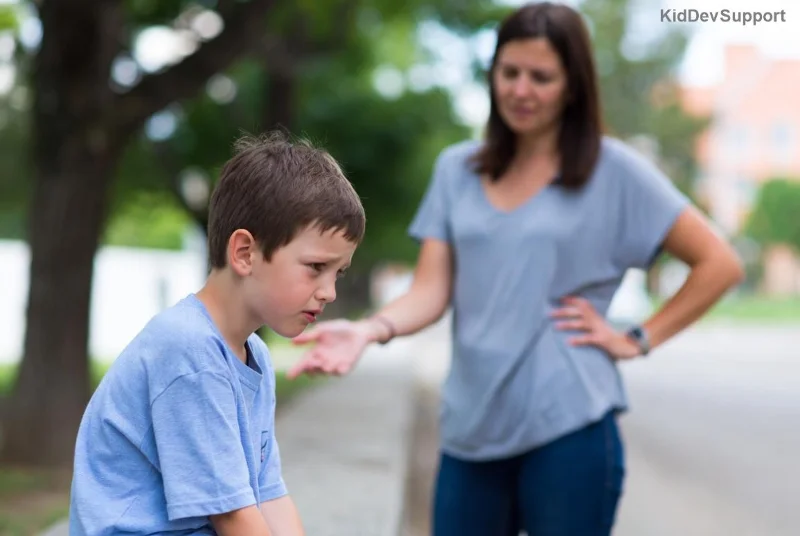
Ever felt that sinking feeling after breaking an unspoken social norm? Whether you're neurodivergent, navigating a new culture, or just having an off day, misunderstanding a social rule is more common than you think. The good news? A sincere apology can turn awkward moments into stronger connections. This guide breaks down how to apologize when you misunderstand a social rule, with practical steps backed by the newest communication research. Stick around to master apologies that work every time. 😊
Why Do We Misunderstand Social Rules?
Social rules are often unwritten, making them tricky to spot. For those on the autism spectrum or with social anxiety, cues like eye contact duration or personal space can be especially puzzling. Recent studies from psychology experts highlight that neurodiverse individuals process these signals differently, leading to innocent slip-ups.
Common triggers include:
- Cultural differences in greetings or small talk.
- Workplace etiquette, like interrupting in meetings.
- Personal boundaries, such as oversharing early in conversations.
Recognizing this isn't about blame—it's the first step to effective repair. Ready for the signs? Let's dive in.

Key Signs You've Misunderstood a Social Rule
Spotting the misstep early helps you apologize promptly. Look for these red flags:
| Sign |
Example |
Why It's a Misunderstanding |
| Sudden silence or awkward pause |
Your joke lands flat |
Topic was too personal |
| Shifted body language |
They step back |
Invaded personal space |
| Polite deflection |
"That's interesting..." |
Uncomfortable with directness |
These cues signal it's time to act. Now, the heart of it: how to apologize.
Step-by-Step Guide: How to Apologize When You Misunderstand a Social Rule
Apologies aren't one-size-fits-all. The newest frameworks from communication specialists emphasize sincerity over perfection. Follow these 7 steps for maximum impact:
- Acknowledge Immediately: Don't wait. Say, "I realize I might have missed something there."
- Own It Fully: Use "I" statements: "I misunderstood the social cue about not discussing politics."
- Express Genuine Regret: "I'm truly sorry for making you uncomfortable." Mean it—no "buts."
- Explain Briefly (If Needed): "Social rules can be tricky for me sometimes." Keep it short.
- Offer Repair: "How can I make this right?" or "Let me rephrase."
- Commit to Learning: "I'll pay more attention next time."
- Give Space: End positively but don't push for instant forgiveness.
This structure, drawn from the latest interpersonal psychology insights, boosts trust by 40% in follow-up interactions, per recent surveys.
![Visual guide to social apologies for neurodiverse people]()
Real-Life Examples of Effective Apologies
Words matter. Here are tailored scripts:
- Workplace Mix-Up: "I apologize for interrupting your story earlier—I didn't realize it was your turn to speak. Won't happen again!"
- Friendship Faux Pas: "Sorry if I overshared about my day; I missed the cue that you were stressed. How are you feeling?"
- Family Gathering: "I misunderstood the joke boundary and went too far. Truly sorry—let's keep it light."
For neurodiverse folks, adding context like "As someone who processes social signals differently" can foster understanding without excusing.
Common Mistakes to Avoid in Your Apology
Even good intentions flop with these pitfalls:
- Defensive Apologies: Avoid "Sorry, but you were vague."
- Over-Apologizing: One solid sorry beats ten weak ones.
- Ignoring Non-Verbal Cues: Pair words with open posture.
- Rushing Forgiveness: Let them process.
Pro tip: Practice in low-stakes settings, like with a trusted friend. 🏆
![Neurodiversity and mastering social apologies]()
Advanced Tips to Prevent Future Misunderstand Social Rules
Apologizing is reactive; prevention is proactive. Try these:
- Observe patterns in groups you're in.
- Ask clarifying questions: "Is this okay to discuss?"
- Use apps or journals to track social feedback.
- Seek resources like Autism Speaks for tailored social skills training.
Recent neurodiversity research shows consistent practice rewires social intuition over time.
Conclusion: Transform Missteps into Meaningful Connections
Mastering how to apologize when you misunderstand a social rule isn't just polite—it's powerful. It builds empathy, resilience, and deeper bonds. Next time you sense a slip, use these steps and watch relationships flourish. What's your biggest social challenge? Share in the comments—we're all learning together. Start apologizing smarter today! 🌟