In a world buzzing with social cues, autistic youth often navigate unique challenges when it comes to understanding consent and personal space. These skills aren't just polite—they're essential for safety, relationships, and independence. Recent insights from leading autism organizations highlight that tailored approaches can make all the difference. This guide delivers concise, actionable strategies to help parents, educators, and caregivers equip autistic youth with these life-changing tools. Ready to build stronger boundaries? Let's dive in.
Why Consent and Personal Space Matter for Autistic Youth
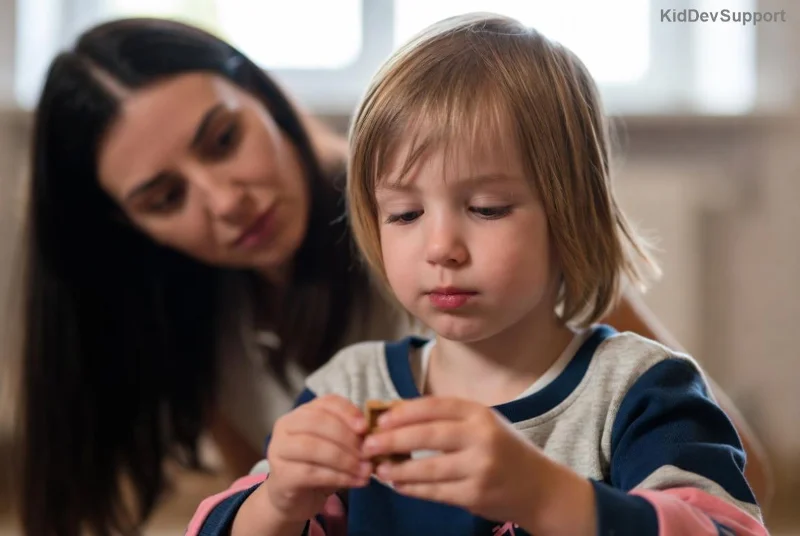
Autistic youth may process social signals differently due to sensory sensitivities or literal thinking styles. Newest studies show that without explicit training, they face higher risks of misunderstandings in interactions. Teaching consent—the clear "yes" or "no" to touch, sharing, or proximity—fosters autonomy. Similarly, personal space awareness prevents overwhelm and promotes respectful engagements.
Key benefits include:
- Reduced anxiety in social settings ✅
- Enhanced self-advocacy skills
- Better peer relationships and safety
Start by recognizing individual needs: What triggers discomfort for one autistic youth might not for another.
Core Principles for Effective Teaching Consent to Autistic Youth
Build lessons on clarity, repetition, and positivity. Use visual aids and role-play to make abstract concepts concrete.
Step-by-Step Consent Framework
| Step | Action | Example for Autistic Youth |
|---|---|---|
| 1. Introduce Basics | Explain consent as a choice | "Can I hug you? Yes/No?" Use picture cards. |
| 2. Practice Asking | Model verbal checks | Role-play with dolls: "High-five?" Wait for response. |
| 3. Respect Responses | Honor "no" every time | Celebrate: "Great job saying no! 🎉" |
| 4. Review & Reinforce | Daily check-ins | Social stories recapping scenarios. |
For deeper dives, explore resources from Autism Speaks, which offers free toolkits aligned with the newest evidence-based practices.
Hands-On Activities for Personal Space Training
Make learning fun and sensory-friendly. Space hula hoops or tape outlines on the floor to visualize zones.
- Hula Hoop Zones: Each person gets a hoop. Practice entering only with permission. Adapt for sensory needs by using soft materials.
- Space Invaders Game: Use timers for "approach" practice. Stop if discomfort signals appear.
- Body Bubble Visuals: Draw arm's-length circles. Pair with apps showing animated boundaries.
Recent guidelines emphasize integrating these into daily routines—like lining up at school—for real-world transfer. Track progress with simple charts to motivate.
Role of Parents, Educators, and Therapists
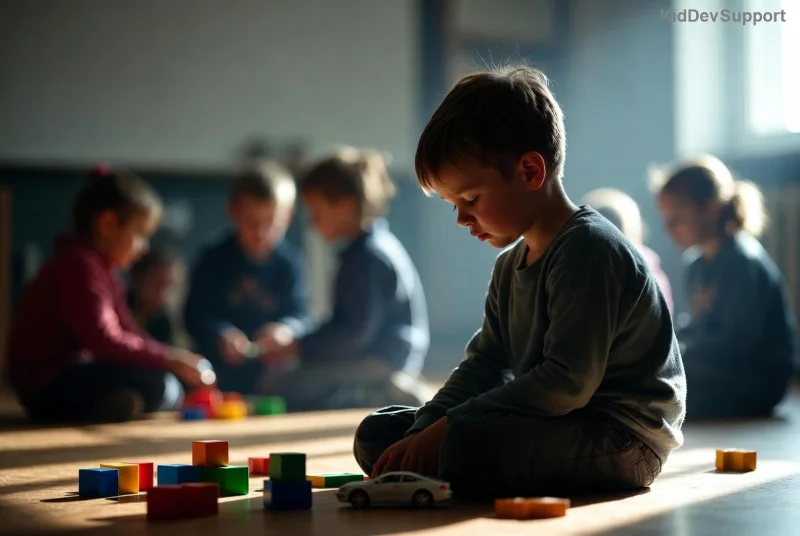
Consistency across environments is key. Parents model at home, educators reinforce in class, and therapists customize via ABA or social skills groups.
Tips for Success:
- Observe triggers: Overcrowding? Loud voices?
- Use social stories: Custom narratives ending in "I said no, and that's okay."
- Collaborate: Share progress via apps like ClassDojo.
For professional support, consult the CDC's autism resources, featuring the latest toolkits for boundary education.
Overcoming Common Challenges
Autistic youth might struggle with non-verbal cues or impulsivity. Counter this with:
- Explicit scripting: "Stop means stop."
- Sensory breaks during practice.
- Positive reinforcement: Stickers for respecting space 🏅.
If meltdowns occur, pause and revisit calmly. Patience yields long-term wins.
Measuring Progress and Next Steps
Success looks like independent "no's" and comfortable interactions. Use checklists:
| Milestone | Indicators |
|---|---|
| Beginner | Identifies space zones with prompts. |
| Intermediate | Asks for consent in familiar settings. |
| Advanced | Navigates new situations confidently. |
Reassess monthly. For advanced training, consider peer buddy systems.
Empowering Futures: Your Action Plan
Teaching consent and personal space to autistic youth transforms lives. Start small today: Pick one activity, practice daily, and watch confidence grow. You've got the tools—now empower them. Share your wins in comments below or explore linked resources for more.
FAQ: Quick Answers on Consent and Personal Space for Autism
- How young to start teaching consent?
- As early as preschool, using age-appropriate visuals.
- What if they don't respond verbally?
- Use gestures, pictures, or AAC devices.
- Best apps for this?
- Model Me Going Places or Social Express—newest updates include boundary modules.
Stay connected for updates on autism social skills. Your journey to mastery starts now!









