Embarking on transitioning to college can feel overwhelming for anyone, but for autistic students, it presents unique opportunities and hurdles. This guide equips you with practical, actionable advice to navigate higher education successfully. From selecting the perfect campus to mastering daily routines, you'll find focused strategies backed by the latest insights from experts in autism support. Let's dive in and turn potential challenges into triumphs. 🎓
Understanding the Unique Challenges of Transitioning to College for Autistic Students
Autistic students often excel in structured environments but may struggle with the unpredictability of college life. Recent studies highlight sensory sensitivities, executive functioning difficulties, and social navigation as key areas. Common issues include noisy dorms, flexible schedules, and unstructured social settings. Recognizing these early allows for proactive planning.
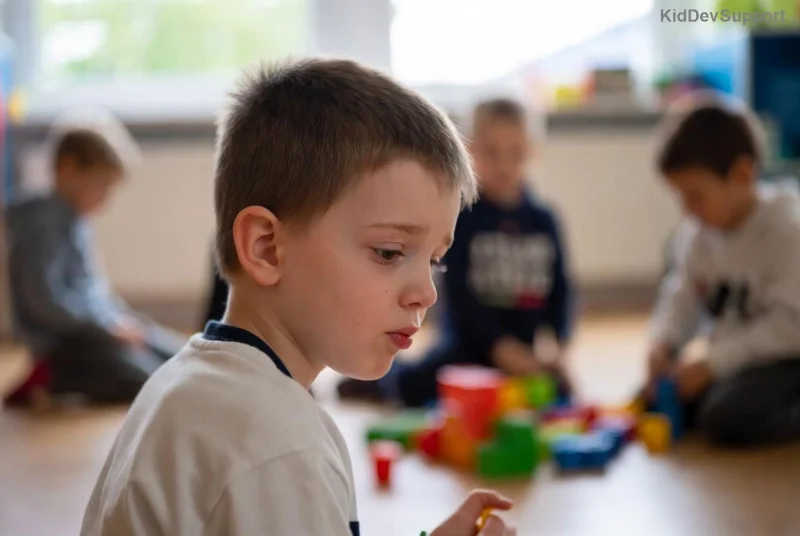
By addressing them head-on, autistic students transitioning to college can build resilience and independence. Keep reading to discover tailored solutions that make the shift smoother.
Preparing Before You Arrive: Build a Strong Foundation
Start your transitioning to college journey months in advance. Develop a personalized plan focusing on self-advocacy, routine-building, and skill-building.
- Self-Advocacy Training: Practice disclosing your autism diagnosis and requesting accommodations. Role-play conversations with counselors.
- Executive Function Tools: Use apps like Todoist or Google Calendar for scheduling. Recent recommendations emphasize visual planners for better time management.
- Sensory Preparation: Visit campuses to assess noise levels and lighting. Pack noise-canceling headphones and fidget tools.
A simple checklist can keep you organized:
| Task |
Timeline |
Status |
| Update IEP/504 Plan |
3-6 months before |
✅ |
| Research Campus Disability Services |
2-4 months before |
✅ |
| Practice Independent Living Skills |
Ongoing |
⏳ |
Choosing the Right College for Autistic Students
Not all campuses are equal. Look for institutions with dedicated autism support programs. The latest data from autism advocacy groups points to schools like Marshall University and Beacon College as leaders in neurodiversity-friendly environments.
Prioritize:
- Disability Services: Confirm they offer extended test times, quiet exam rooms, and note-taking assistance.
- Mentoring Programs: Peer mentors help with social cues and academic advising.
- Housing Options: Single rooms or quiet floors reduce sensory overload.
For more resources, explore Autism Speaks' college toolkit.
Leveraging Campus Resources and Accommodations
![Autistic students accessing college accommodations]()
Once on campus, register with the Office of Disability Services immediately. Common accommodations for autistic students transitioning to college include priority registration, assistive technology, and counseling. Recent guidelines stress the importance of Letter of Accommodation (LOA) updates each semester.
Don't overlook:
- Counseling Centers: Specialized therapy for anxiety and meltdowns.
- Academic Coaches: Help with organization and study habits.
- Neurodiversity Clubs: Safe spaces for connection.
Academic Success Strategies Tailored for Autism
College demands self-directed learning. Autistic students can thrive by adopting these evidence-based techniques from the newest educational research:
- Structured Study Routines: Block time in 25-minute Pomodoro sessions with breaks.
- Note-Taking Aids: Use Otter.ai for transcription or Livescribe smart pens.
- Professor Communication: Email syllabi requests and office hour preferences upfront.
Track progress with a weekly review table like this:
| Class |
Assignments Due |
Study Time Allocated |
| Math 101 |
Quiz Friday |
2 hours |
| English Lit |
Essay Next Week |
3 hours |
Social and Emotional Well-Being During Transition
![Autistic student building social connections in college]()
Social isolation affects many autistic students. Build connections gradually through structured activities like clubs or study groups. Practice scripts for small talk and set boundaries to prevent burnout.
Emotional tools:
- Mindfulness Apps: Headspace for anxiety reduction.
- Support Networks: Join online forums like Wrong Planet.
- Self-Care Routines: Schedule downtime and exercise.
For clinical support, consult CDC autism resources.
Mastering Daily Living and Independence
College introduces laundry, meals, and finances. Practice these at home first. Budget apps like Mint and meal-prep services ease the load. Recent tips from occupational therapists recommend visual chore charts for consistency.
Your Path to Thriving: Next Steps
Transitioning to college as an autistic student is achievable with preparation and support. Implement one strategy today—whether it's contacting disability services or building your planner. You've got this! Share your experiences in the comments or explore our related guides on autism-friendly careers. Stay empowered and succeed. 🌟