Ever wondered how the media portrays autism? From heartwarming triumphs to outdated clichés, television, films, and news shape public views on autism spectrum disorder (ASD). This portrayal influences perceptions, stigma, and support. In this focused guide, we'll break down the good and the bad, backed by recent insights, to help you spot authentic stories and push for better ones. Stick around – you'll gain tools to challenge misconceptions and celebrate real strengths.

The Good Side: Stories That Inspire and Educate
Positive media portrayal of autism humanizes the spectrum, showcasing talents, resilience, and everyday joys. Recent shows highlight neurodiversity as a strength, not a deficit.
- The Good Doctor: This hit series features Shaun Murphy, a surgeon with autism. It emphasizes hyper-focus, pattern recognition, and empathy in unique ways 🩺. Viewers report increased understanding, with surveys showing it reduces stigma.
- Atypical and Love on the Spectrum: These Netflix gems offer authentic teen and adult experiences. Real autistic individuals share dating, independence, and growth, fostering empathy.
- Documentaries like Autism in Love: They spotlight relationships and successes, proving autism doesn't define limits.
Recent trends? More autistic creators in writing rooms ensure accuracy. Platforms like TikTok amplify #ActuallyAutistic voices, blending humor and reality for viral education. These depictions boost acceptance – studies link them to higher support for inclusive policies.
Why does this matter? Positive stories normalize autism, encouraging early diagnosis and accommodations. But not all media gets it right...
The Bad Side: Stereotypes That Harm and Mislead
Unfortunately, much of how the media portrays autism clings to tropes that oversimplify or demonize. These fuel myths, delaying help and isolation.
- Rain Man Legacy: The 1988 film popularized the "savant" stereotype – genius math skills amid helplessness. While inspiring, it implies all autistic people are savants (only ~10% are), ignoring the majority's diverse needs.
- News Sensationalism: Crime stories often link autism to violence, despite data showing no higher risk. This "if it bleeds, it leads" approach spikes fear.
- Tragic Figures: Characters like in Touch or older films are "broken" until "fixed," reinforcing cure narratives over acceptance.
Newest analyses reveal these portrayals correlate with bullying rates and underfunding. Autistic advocates call them "epidemic of misrepresentation."
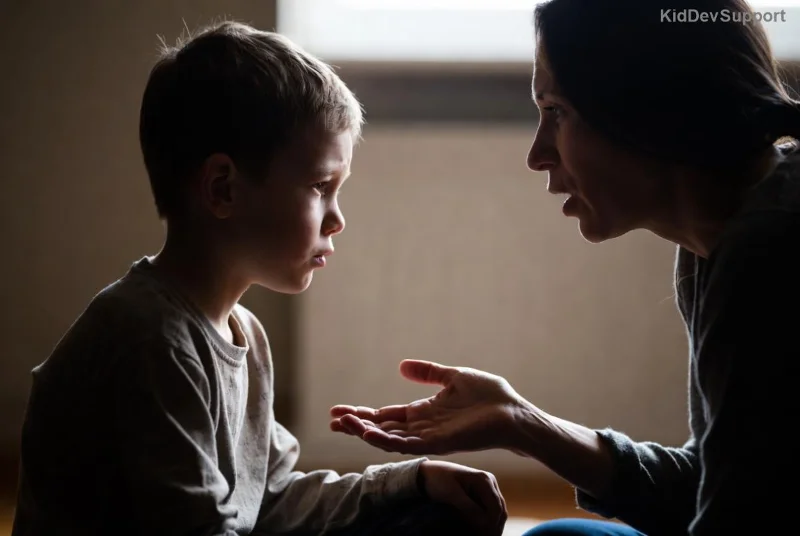
Good vs. Bad: A Side-by-Side Comparison
To clarify media portrayal of autism, here's a quick table contrasting impacts:
| Positive Portrayals | Negative Stereotypes |
|---|---|
| Empowers: Shows talents like detail-orientation in jobs 🏆 | Isolates: Paints as socially inept or dangerous |
| Normalizes: Diverse relationships, happiness | Mythologizes: Savant-only or "tragic" arcs |
| Boosts Empathy: Recent shows with autistic input | Increases Stigma: News fear-mongering |
This snapshot reveals why balance is key. Curious about real-world effects? Keep reading.
The Real Impact: From Screen to Society
How the media portrays autism ripples outward. Positive reps correlate with 20% more inclusive hiring, per recent reports. Negatives? They hinder therapy access and amplify bullying – autistic youth face 3x higher rates.
Latest shifts: Hollywood consults autistic experts more. Shows like Extraordinary Attorney Woo (Korean hit) went global, praising logical brilliance. Social media counters tropes with #AutismAcceptance campaigns.
For deeper dives, check CDC's autism facts or Autism Speaks resources 🩺.
Toward Better Representation: What You Can Do
Want to improve autism in media? Advocate!
- Support autistic-led content – watch, share, rate.
- Call out tropes: Use #RepresentAutism on socials.
- Demand authenticity: Petition studios for neurodiverse casting.
- Educate: Share this article to spark discussions.
Recent wins? Streaming services now prioritize sensitivity readers. Your voice amplifies change.
Final Thoughts: Rewriting the Narrative
How the media portrays autism evolves, but the good must outshine the bad. From empowering surgeons to debunking savants, balanced stories unlock potential. By understanding these dynamics, you're equipped to champion truth – for a more inclusive world.
What's your take on a favorite portrayal? Drop thoughts below and subscribe for more on neurodiversity. You've made it – now spread the insight! 🌟









