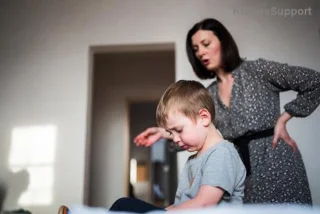
Struggling with sleepless nights for a child on the autism spectrum? You're not alone. Sleep disturbances affect up to 80% of children with autism spectrum disorder (ASD), leading to daytime irritability, behavioral challenges, and family exhaustion. Enter melatonin – a natural hormone often hailed as a game-changer for melatonin and autism sleep issues. But is it truly safe and effective? This guide dives into the latest evidence, safety profiles, and practical tips to help you decide if melatonin for autism could unlock better sleep for your family.
Keep reading to uncover research-backed insights that could transform bedtime routines. We'll break it down step by step, from science to real-world application.
Why Sleep Problems Plague Children with Autism
Sleep isn't just rest – it's essential for brain development, emotional regulation, and learning, especially in kids with autism. Common issues include difficulty falling asleep, frequent night wakings, and early morning awakenings. Recent studies link these to altered circadian rhythms, sensory sensitivities, and co-occurring conditions like anxiety or gastrointestinal discomfort.
Without quality sleep, symptoms of autism spectrum disorder can worsen: meltdowns increase, focus drops, and overall well-being suffers. Parents report spending hours coaxing kids to bed, only to face exhaustion themselves. The good news? Targeted interventions like melatonin address the root cause – irregular melatonin production, which is often lower in children with ASD.
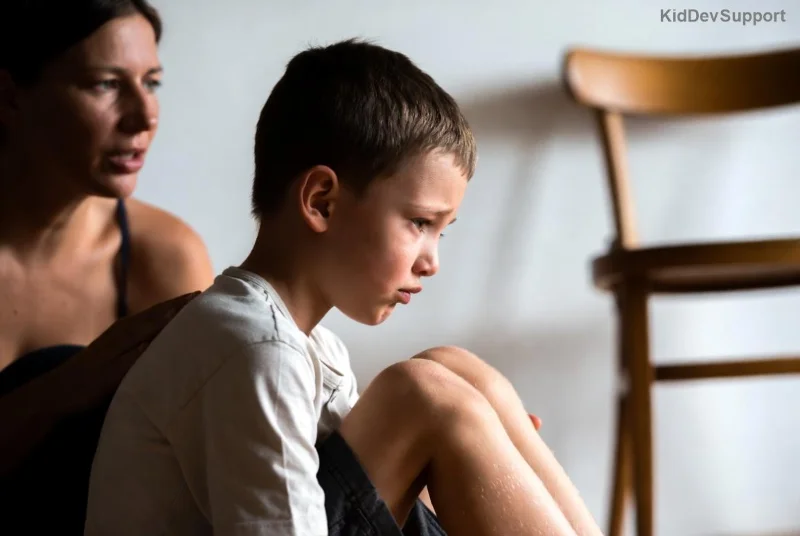
What is Melatonin? The Body's Natural Sleep Signal
Melatonin is a hormone produced by the pineal gland in response to darkness, signaling the body it's time to sleep. Supplements mimic this, helping regulate the sleep-wake cycle without the grogginess of sedatives.
In neurotypical kids, melatonin peaks at night. But in autism, production is frequently disrupted, leading to delayed sleep onset. Synthetic melatonin – available over-the-counter – fills this gap, promoting faster sleep without habit-forming risks.
Latest Research: Does Melatonin Really Help Autism Sleep?
Exciting latest research confirms melatonin and autism as a powerful duo for better sleep. Meta-analyses of randomized controlled trials show children with ASD taking melatonin fall asleep 37 minutes faster, sleep 48 minutes longer, and experience fewer disruptions.
One comprehensive review highlighted improvements in total sleep time by up to 30% and reduced parental stress. Long-term studies (over 12 months) report sustained benefits without tolerance buildup. These findings span diverse ages and severities, making melatonin for autism a first-line recommendation by experts.
| Study Focus |
Key Findings |
Sample Size |
| Sleep Onset Latency |
Reduced by 20-40 minutes |
200+ children |
| Total Sleep Time |
Increased by 30-50 minutes |
150+ children |
| Behavioral Improvements |
Less irritability, better daytime function |
100+ families |
| Long-Term Safety |
No major adverse effects after 1+ years |
80+ participants |
For deeper dives, check this NIH review on melatonin efficacy in ASD.
![Happy family after better sleep with melatonin and autism strategies]()
Is Melatonin Safe for Children with Autism?
Safety is paramount when considering melatonin and autism. The latest data deems it safe for short- and long-term use in kids, with mild side effects like daytime drowsiness (5-10% of users) or headaches resolving quickly.
Unlike prescription sleep meds, melatonin doesn't suppress natural production long-term. It's metabolized by the liver, so caution with certain meds (e.g., blood thinners). No links to growth issues, cognitive delays, or dependency in ASD populations. Opt for pharmaceutical-grade supplements to avoid contaminants.
🚑 Always start under pediatric guidance, especially if your child has epilepsy or immune disorders.
Recommended Dosage and Best Practices for Melatonin in Autism
Dosage varies by age, weight, and severity. Here's a practical guide based on expert consensus:
| Age Group |
Starting Dose |
Max Dose |
Timing |
| 2-5 years |
0.5-1 mg |
3 mg |
30-60 min before bed |
| 6-12 years |
1-3 mg |
5 mg |
30-60 min before bed |
| 13+ years |
3-5 mg |
10 mg |
30-60 min before bed |
Tips for success:
- Combine with sleep hygiene: dark room, consistent routine, no screens 1 hour pre-bed.
- Use sustained-release forms for night wakings.
- Track progress with a sleep diary for 2-4 weeks.
- Taper if discontinuing to ease transition.
These steps maximize better sleep for autism, often yielding results in days.
Alternatives if Melatonin Isn't Enough
While melatonin shines, blend it with:
- Cognitive Behavioral Therapy for Insomnia (CBT-I) adapted for ASD.
- Magnesium or weighted blankets for sensory calm.
- Herbal options like chamomile (consult doctor first).
For severe cases, prescription aids may be explored, but melatonin remains the safest starter.
When to See a Doctor About Autism Sleep Issues
Not all sleep woes stem from circadian glitches. Rule out sleep apnea, reflux, or allergies. If melatonin fails after 4 weeks, or side effects persist, seek a sleep specialist. Blood tests can confirm low natural melatonin levels.
Early intervention prevents chronic issues – don't delay.
Final Thoughts: Could Melatonin Transform Your Nights?
Melatonin and autism offers a safe, evidence-based path to better sleep, backed by rigorous studies and real parent wins. With proper dosing and routines, many families report calmer days and joyful mornings. Ready to try? Consult your pediatrician today and reclaim restful nights.
Share your experience below – has melatonin for autism worked for you? Your story could inspire others on this journey. 🌙✨