Sleep troubles affect up to 80% of children with autism spectrum disorder (ASD), turning bedtime into a nightly battle. Imagine your child finally drifting off peacefully, waking refreshed and ready to thrive. That's the promise of melatonin for autism sleep disorders. This natural hormone supplement has emerged as a game-changer, backed by the latest clinical insights. But what's the right dosage? Is it truly safe? And how effective is it? Stick around as we break it down step-by-step, empowering you with actionable knowledge.
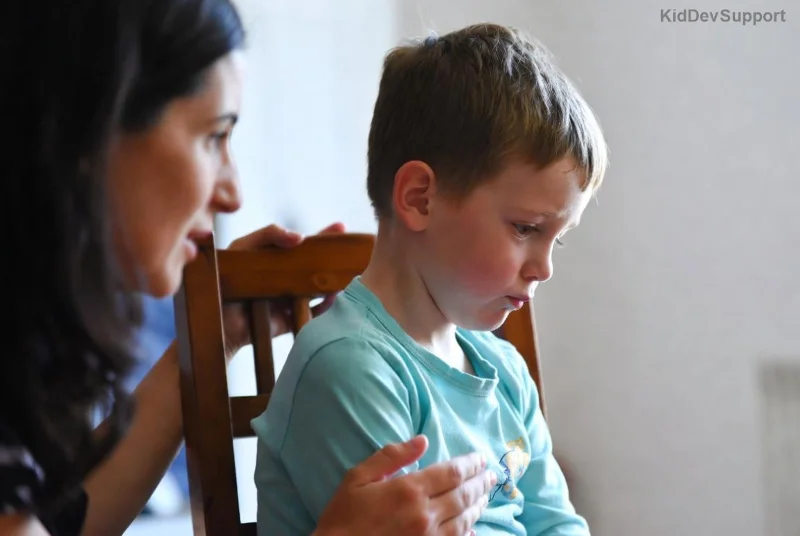
Why Sleep Disorders Plague Children with Autism
Children on the autism spectrum often face unique hurdles like irregular circadian rhythms, sensory sensitivities, and anxiety that disrupt sleep. Common issues include delayed sleep onset, frequent night wakings, and shortened sleep duration. Recent studies highlight that poor sleep worsens core ASD symptoms like irritability, hyperactivity, and cognitive challenges. Addressing autism sleep disorders isn't just about rest—it's key to overall well-being. ⚕️
How Melatonin Works for Autism Sleep
Melatonin is the body's "sleep hormone," produced by the pineal gland to signal it's time to wind down. In neurotypical kids, levels rise naturally at dusk. But many with autism produce less or have mistimed peaks, leading to insomnia-like patterns. Supplementing melatonin for autism mimics this signal, promoting faster sleep onset without grogginess. The latest research shows it aligns circadian rhythms effectively, especially when combined with behavioral therapies.
Effectiveness: What the Latest Evidence Says
The effectiveness of melatonin for autism sleep disorders shines in rigorous trials. Meta-analyses from leading health organizations confirm it reduces sleep latency by 30-60 minutes and boosts total sleep time by up to an hour. For instance:
- Over 70% of children show improved sleep quality.
- Benefits extend to daytime behavior, with reduced meltdowns and better focus.
- Long-term use maintains efficacy without tolerance buildup.
While not a cure-all, it's most potent for sleep-onset issues. Curious about real-world results? Parents report life-changing improvements, but individual responses vary—setting the stage for personalized dosage strategies.
![Happy family after using melatonin for better sleep in autism]()
Recommended Dosage for Melatonin in Autism
Finding the sweet spot for melatonin dosage autism is crucial. Start low and titrate based on age, weight, and response. The latest pediatric guidelines recommend:
| Age Group |
Starting Dosage |
Max Daily Dose |
Timing |
| Under 3 years |
0.5-1 mg |
3 mg |
30-60 min before bed |
| 3-5 years |
1-3 mg |
5 mg |
30-60 min before bed |
| 6-12 years |
3-5 mg |
10 mg |
30-60 min before bed |
| Over 12 years |
5 mg |
10 mg |
30-60 min before bed |
Note: Always use pharmaceutical-grade, sustained-release forms for steady absorption. Consult a doctor for tailored adjustments. Wondering about safety next? We've got you covered.
Safety Profile: Is Melatonin Safe for Autism?
Melatonin safety for children with autism is well-established in the newest reviews. It's generally safe short- and long-term, with a low side-effect profile compared to prescription sleep aids. Common mild effects include:
| Potential Side Effect |
Frequency |
Management |
| Drowsiness next day |
Rare (<5%) |
Lower dose |
| Headache or stomach upset |
Occasional |
Take with food |
| Vivid dreams |
Uncommon |
Monitor and adjust |
| No hormonal disruption |
N/A |
Safe for puberty |
Serious risks are negligible, even in extended use. Avoid if there's a rare allergy. For authoritative info, check resources like the National Institute of Child Health and Human Development (NICHD). Ready to implement? Let's explore best practices.
![Peaceful sleeping child with autism supported by melatonin therapy]()
Tips for Using Melatonin Effectively in Autism
Maximize melatonin for autism sleep disorders with these evidence-based strategies:
- Consistency: Same dose and time nightly.
- Sleep hygiene: Dim lights, no screens 1 hour pre-bed.
- Combo therapy: Pair with routines like weighted blankets.
- Track progress: Use sleep diaries to fine-tune.
- Quality matters: Opt for USP-verified supplements. 🏆
Monitor for 2-4 weeks; most see gains quickly. If no improvement, reassess underlying issues like sleep apnea.
When to Consult a Healthcare Professional
Before starting melatonin dosage for autism, get a pediatrician's green light, especially with medications or comorbidities. They can rule out other causes and oversee use. For complex cases, sleep specialists offer polysomnography for deeper insights. 😊
Conclusion: Transform Sleep, Transform Lives
Melatonin for autism sleep disorders offers a safe, effective path to restorative nights. With proper dosage, unwavering safety, and proven effectiveness, it's a cornerstone for many families. Start small, stay consistent, and watch your child's world brighten. Have questions or success stories? Share in the comments below—we're here to support your journey to better sleep. Sweet dreams await!