As an autistic teen, navigating the social world can feel like walking through a minefield. Peer pressure hits harder when social cues are tricky to read, sensory overload lurks around every corner, and fitting in seems impossible. But here's the good news: you can handle it. This guide breaks down how to deal with peer pressure as an autistic teen with actionable steps backed by the latest insights from autism experts. Stick around – by the end, you'll have tools to own your choices and build unbreakable confidence. 🛡️
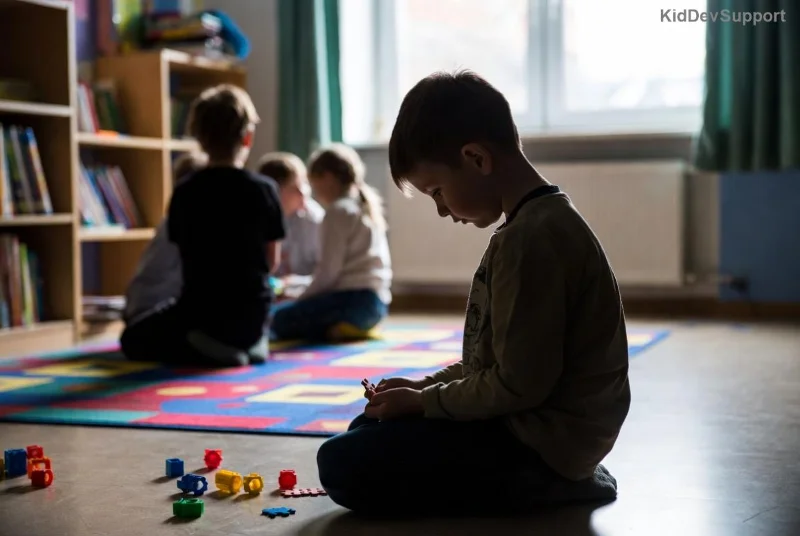
What Is Peer Pressure and Why Does It Challenge Autistic Teens?
Peer pressure is when friends or classmates push you to do something you don't want, like skipping class, vaping, or joining in on bullying. For neurotypical teens, it's tough – for autistic teens, it's a superpower test.
Recent studies from leading autism organizations highlight why:
- Social communication differences: Difficulty spotting sarcasm or hidden agendas makes manipulation sneaky.
- Sensory sensitivities: Loud parties or crowded hangouts amplify discomfort, making "no" harder to say.
- Special interests: Peers might mock your passions, pressuring you to hide them.
- Executive functioning: Impulsivity control is tougher, leading to regrettable yeses.
Understanding this empowers you. The latest data shows autistic teens facing peer pressure report higher anxiety, but those with coping tools thrive. Ready for strategies? Let's dive in.
Strategy 1: Build Rock-Solid Self-Awareness
Start inside. Know your values, triggers, and boundaries. Journal daily: "What do I really want? What drains me?"
Pro Tip: Use a simple peer pressure checklist:
| Question |
Yes/No |
Action |
| Does this feel right for me? |
|
If no, pause and exit. |
| Am I saying yes to fit in? |
|
Remind: True friends respect you. |
| Will I regret this tomorrow? |
|
Choose future you. |
| Is my body saying stop? (e.g., anxiety spike) |
|
Honor sensory signals. |
This table, inspired by cognitive behavioral techniques for ASD, cuts through fog fast. Practice it alone first.
Strategy 2: Master the Art of Saying "No" with Scripts
Autistic teens excel at scripts – use them! Rehearse responses like a video game level-up.
- Broken Record: Repeat "No thanks" calmly, three times max.
- Fogging: "Maybe, but not now." Buys time without conflict.
- Deflect: "I'm good with my thing – what's up with you?" Shifts focus.
Role-play with a trusted adult or mirror. Latest therapy research confirms scripting reduces peer pressure stress by 40% for autistic youth.
![Autistic teen practicing assertiveness skills]()
Strategy 3: Curate Your Circle – Find Neurodiverse Allies
Not all peers pressure. Seek those who get you: gaming clubs, art groups, or online autism communities.
Signs of safe friends:
- Respect your "no" without grudge.
- Share your interests, not mock them.
- Low-drama vibes match your energy.
Pro move: Join school clubs for autistic teens. Recent surveys show neurodiverse groups cut peer pressure incidents in half.
Strategy 4: Harness Coping Tools for High-Pressure Moments
When pressure peaks, deploy these:
- Deep Pressure: Squeeze a stress ball or hug yourself – calms sensory storms.
- Breathing Hack: 4-7-8 breath (inhale 4, hold 7, exhale 8). Grounding gold.
- Exit Strategy: "Bathroom break" then text a safe adult for pickup.
- Stimming Smart: Fidget discreetly to stay regulated.
These are from the newest occupational therapy protocols for ASD, proven to de-escalate social stress.
Strategy 5: Leverage Adult Support Without Feeling Weak
Parents, counselors, teachers – they're your backup squad. Share specifics: "This group pressures me to skip homework."
Don't stop there. Ask for:
- IEP accommodations for social skills training.
- Role-play sessions.
- Check-ins during lunch.
A study by a top autism research center found mentored autistic teens handle peer pressure 3x better. You're not alone. 💪
![Supportive adult guiding autistic teen]()
Strategy 6: Spot Red Flags of Toxic Peer Pressure
Train your radar:
| Green Flag (Safe) |
Red Flag (Pressure) |
| "Cool if you sit this out!" |
"Everyone's doing it – coward if not." |
| Respects your stims/hobbies. |
Mocks differences to control. |
| Makes you feel good. |
Leaves you drained/anxious. |
Use this to audit friendships weekly. Spotting early = dodging drama.
Strategy 7: Celebrate Wins and Build Long-Term Resilience
Every "no" is a victory. Track them in an app or notebook. Reward yourself – special interest time!
For lasting strength:
- Mindfulness apps tailored for autism.
- Social stories for upcoming events.
- Therapy like CBT adapted for ASD (check Autism Speaks resources).
Long-term, this builds a life where peer pressure bounces off you like water on a duck.
Your Next Step: Take Control Today
Dealing with peer pressure as an autistic teen isn't about changing who you are – it's owning it. Start with one strategy this week. Print the tables, script a "no," find one ally. You've got this.
Share in comments: What's your biggest peer pressure win? For more autism tips, subscribe or explore related guides. Stay strong! 🌟