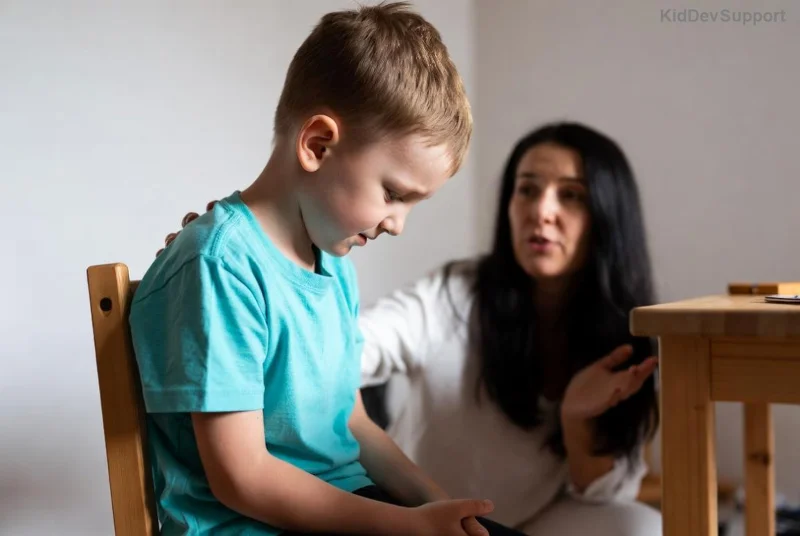
Navigating social situations can feel overwhelming when dealing with social anxiety alongside autism. Many individuals on the autism spectrum experience heightened anxiety in social settings due to challenges in interpreting cues, sensory sensitivities, and a preference for routine. But here's the good news: with targeted strategies, you can manage social anxiety alongside autism effectively and build meaningful connections. This guide provides actionable insights based on the latest research to help you thrive.
Understanding Social Anxiety in the Context of Autism
Social anxiety involves intense fear of judgment or embarrassment in social scenarios, often leading to avoidance. When paired with autism, it intensifies because of core traits like difficulty reading nonverbal signals 🧠, literal thinking, and overstimulation from crowds or noise. Recent studies highlight that up to 50% of autistic adults face co-occurring social anxiety, making it a common yet manageable challenge.
Recognizing symptoms early is key: physical signs like rapid heartbeat, sweating, or shutdowns during interactions. Unlike general anxiety, in autism, it may stem from executive functioning hurdles, where predicting social outcomes feels impossible.

Evidence-Based Therapies for Managing Social Anxiety Alongside Autism
Therapy tailored to neurodiversity yields the best results. Cognitive Behavioral Therapy (CBT) adapted for autism—known as CBT-A—reframes anxious thoughts and builds coping skills. The latest protocols emphasize visual aids and structured sessions to accommodate autistic processing styles.
- Exposure Therapy: Gradual real-world practice, starting with low-stakes interactions like greeting a cashier.
- Mindfulness-Based Interventions: Apps with guided exercises reduce sensory overload.
- Social Skills Training (SST): Role-playing scenarios to decode facial expressions and tone.
For medication, consult a specialist. SSRIs may help severe cases, but always pair with therapy for holistic managing social anxiety alongside autism.
Practical Daily Strategies to Build Social Confidence
Incorporate these into your routine for lasting change. Start small to avoid burnout.
| Strategy |
How It Helps Social Anxiety in Autism |
Action Steps |
| Scripting Conversations |
Reduces unpredictability |
Prepare 3-5 phrases for common scenarios; practice aloud daily |
| Sensory Prep |
Manages overload |
Use noise-cancelling headphones; choose quiet venues |
| Body Doubling |
Provides low-pressure support |
Attend events with a trusted friend who understands autism |
| Post-Event Debrief |
Processes experiences |
Journal wins and lessons learned immediately after |
These tools empower gradual progress. Imagine walking into a gathering feeling prepared rather than panicked— that's the transformation possible with consistent practice.
Lifestyle Adjustments to Support Social Anxiety Management
Beyond therapy, holistic habits amplify results. Regular exercise, like walking or yoga, lowers baseline anxiety by boosting endorphins. Prioritize sleep hygiene—aim for 7-9 hours in a dark, cool room—to enhance emotional regulation, crucial for those with autism.
A nutrient-rich diet with omega-3s (from fish or supplements) supports brain health, per recent neurodiversity research. Limit caffeine to prevent jitteriness in social settings. Track patterns in a simple app to identify triggers.
![<strong>Managing Social Anxiety Alongside Autism</strong> Visual Aid]()
Building Long-Term Social Skills for Autistic Adults
Managing social anxiety alongside autism evolves into skill mastery. Join neurodiverse groups or online communities for authentic connections without masking. Virtual reality (VR) training simulates interactions safely, a cutting-edge tool gaining traction.
- Join autism-friendly clubs (e.g., gaming or hobby meetups).
- Practice active listening: Repeat back what you hear to confirm understanding.
- Celebrate micro-wins, like maintaining eye contact for 10 seconds 💪.
Family involvement helps too—educate loved ones on autism traits to foster empathy.
When to Seek Professional Help 🩺
If anxiety disrupts daily life, reach out promptly. Signs include isolation, panic attacks, or depression. Professionals specializing in neurodiversity, like those via Autism Speaks resources or local clinics, offer personalized plans.
Teletherapy expands access, ideal for sensory-avoidant individuals. Early intervention prevents escalation, leading to greater independence.
Your Path Forward: Thrive with Social Anxiety and Autism
Managing social anxiety alongside autism is a journey of self-compassion and strategy. By understanding overlaps, applying therapies, and adopting daily habits, you'll navigate social worlds with growing ease. Start with one tip today—what will it be? Share your progress in the comments below, and subscribe for more neurodiversity tips to keep building momentum.
Remember, success looks different for everyone. Your unique strengths make connections possible and rewarding. Ready to take the next step?