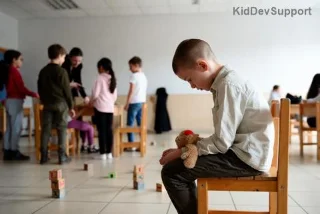
Feeling disconnected in your adult years? You're not alone. Social isolation in adulthood affects millions, leading to heightened stress, anxiety, and even physical health risks. The good news? It's reversible with intentional steps. This guide delivers concise, actionable advice based on the latest research to help you rebuild connections and foster belonging. Let's dive in and transform your social world. 😊
Understanding Social Isolation in Adulthood
Social isolation isn't just loneliness—it's a lack of meaningful relationships. In adulthood, life transitions like career shifts, relocation, or family changes often trigger it. Recent studies from health organizations highlight that prolonged isolation rivals smoking in health impacts, increasing depression risk by up to 30%.
Key signs include:
- Avoiding social invitations
- Feeling emotionally drained after interactions
- Spending excessive time alone without enjoyment
- Physical symptoms like fatigue or sleep issues

Common Causes of Social Isolation in Adulthood
Adulthood brings unique barriers:
- Work Demands: Long hours leave little energy for socializing.
- Life Changes: Divorce, empty nests, or moves disrupt networks.
- Digital Overload: Scrolling replaces real talks, per latest surveys.
- Introversion or Past Trauma: Hesitation to reach out persists.
Recognizing these empowers action. Ready for solutions? Keep reading for strategies that work.
10 Proven Strategies for Overcoming Social Isolation
These evidence-based tactics, drawn from psychological experts, prioritize small wins for lasting change. Start with one today.
1. Audit Your Current Network
List 5-10 contacts. Reach out weekly with genuine check-ins. Tools like shared calendars help schedule coffees.
2. Join Interest-Based Groups
Clubs for hiking, books, or gaming build natural bonds. Apps like Meetup connect locals instantly.
3. Volunteer Your Time 🏆
Contribute to causes you love—soup kitchens or animal shelters. It creates purpose and friendships fast.
4. Leverage Fitness Communities
Yoga classes or running groups combine health with socializing. Endorphins boost mood and openness.
5. Embrace Online-to-Offline Transitions
Forums like Reddit or Discord spark chats that evolve into meetups. Balance screens with face-time.
6. Practice Micro-Interactions Daily
Say hello to neighbors or chat with baristas. These build confidence for deeper ties.
7. Seek Professional Support
Therapists specializing in social anxiety offer tools. Group therapy simulates real connections safely. Find experts here.
8. Host Low-Pressure Gatherings
Game nights or potlucks remove outing fears. Start small—invite 2-3 people.
9. Cultivate Hobbies Solo-to-Social
Knitting alone? Join a circle. Photography? Group shoots. Shared passions ignite conversations.
10. Track Progress with Gratitude
Journal weekly wins. Apps like Daylio visualize growth, motivating consistency.
| Strategy |
Time Commitment |
Best For |
Expected Outcome |
| Join Groups |
2-4 hours/week |
Extroverts |
Quick new friends |
| Volunteering |
4+ hours/week |
Purpose-seekers |
Deep fulfillment |
| Therapy |
1 hour/week |
Anxiety sufferers |
Skill-building |
| Micro-Interactions |
Daily 5 mins |
Introverts |
Confidence boost |
This table compares options—pick what fits your life for maximum impact.
![People overcoming social isolation through community]()
Building Sustainable Habits to Prevent Relapse
Consistency is key. Set "social quotas"—one outreach daily. Use reminders and reward systems. Latest behavioral science shows habit stacking (pairing social acts with routines like walks) yields 80% adherence.
Address mental blocks:
- Fear of Rejection: Reframe as practice, not perfection.
- Busy Excuse: Block "social time" like meetings.
- Tech Traps: Limit solo scrolling to 1 hour/day.
The Health Benefits of Reconnection
Overcoming social isolation slashes heart disease risk by 29% and boosts immunity, per recent meta-analyses. You'll sleep better, think clearer, and feel happier. Real stories abound: adults reporting "life-changing" shifts after 3 months of effort.
One reader shared: "From zero invites to weekly dinners—volunteering unlocked it all." Your turn?
FAQs on Social Isolation in Adulthood
Is social isolation permanent?
No—most improve within months with action.
What if I'm introverted?
Quality over quantity. Deep one-on-ones suit you perfectly.
Remote work worsens it—help?
Virtual coffees or co-working spaces bridge the gap.
For more resources, check the WHO on loneliness.
Take the First Step Today
Overcoming social isolation in adulthood starts now. Choose one strategy, commit for 30 days, and watch connections bloom. You've got the tools—reclaim your vibrant social life. Share your progress in comments below! 🌟