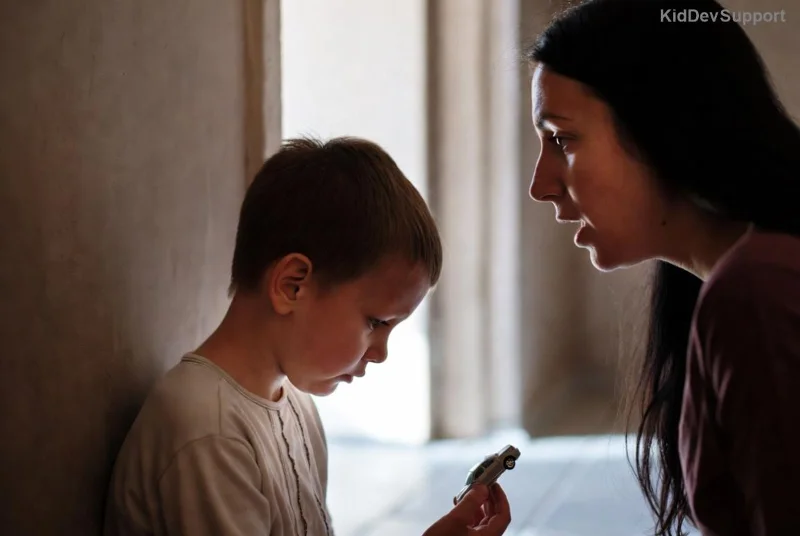
Imagine your toddler babbling happily, making eye contact, and playing with toys—then suddenly, these skills vanish. This heartbreaking scenario defines regressive autism, a subset of autism spectrum disorder (ASD) that affects families worldwide. But what exactly is regressive autism? Why does it happen, and can it be addressed? In this guide, we'll break it down with the newest insights from leading experts, helping you understand and navigate this challenge. Stick around to uncover actionable steps for early intervention that can make a real difference. 🩺

What is Regressive Autism?
Regressive autism, also known as autism regression, occurs when a child who develops typically for at least their first year loses previously acquired skills. Unlike early-onset autism, where delays appear from birth, regression involves a clear "step backward."
Key characteristics include:
- Loss of language or social skills, often between 15-30 months.
- Withdrawal from interaction, reduced eye contact, or repetitive behaviors emerging suddenly.
- Preserved early milestones like walking or first words, followed by decline.
According to the newest data from health authorities, up to 30% of children with ASD experience this regression, making it a critical focus for parents and clinicians. Early recognition is key—let's explore the signs next.
Recognizing Regressive Autism Symptoms: Early Warning Signs
Spotting regressive autism symptoms early can lead to faster support. Parents often notice changes like:
| Age of Onset |
Common Lost Skills |
New Behaviors |
| 15-24 months |
Words, gestures, pretend play |
Hand-flapping, lining up toys |
| 18-30 months |
Social smiles, responding to name |
Sensory sensitivities, sleep issues |
These shifts aren't just "phases"—they signal potential autism regression. If your child stops using 5-10 words they once knew, consult a pediatrician immediately. Wondering how common this is? Read on for eye-opening stats.
![Illustrating regression in autism development milestones]()
How Common is Regressive Autism? Shocking Prevalence Stats
The latest studies reveal regressive autism impacts 20-32% of ASD cases, higher than previously thought. In the United States alone, with rising ASD diagnoses, thousands of families face this yearly. Girls may regress later than boys, around 20-24 months versus 18 months.
What sets it apart? Children with regression often have higher cognitive potential pre-loss, offering hope for recovery with intervention. But why does it happen? The newest research points to multiple factors—let's dive deeper.
Causes of Regressive Autism: Unraveling the Mystery with Latest Research
No single cause explains regressive autism, but cutting-edge studies highlight a perfect storm of genetics, brain changes, and environment. Here's what we know:
- Genetic Factors: Mutations in genes like CHD8 or SCN2A disrupt neural connections. Recent genome-wide analyses show inherited and spontaneous changes peak during toddlerhood.
- Brain Development Anomalies: MRI scans from the newest trials indicate rapid white matter loss and inflammation in regressing brains, possibly triggered by immune responses.
- Environmental Triggers: Infections, toxins, or metabolic issues may act as "tipping points" in vulnerable kids. Notably, extensive reviews confirm no link to vaccines.
- Epigenetics: Stress or gut microbiome shifts alter gene expression, per the most recent microbiome studies.
For reliable details, check the CDC's autism page or NIMH research updates. Could early detection reverse it? The evidence says yes—keep reading for intervention breakthroughs.
![Brain imaging related to autism regression research]()
Diagnosing Regressive Autism: Tools and Timelines
Diagnosis starts with developmental screening at well-child visits. Tools like the M-CHAT-R screen for risks, while ADOS-2 confirms ASD with regression history. The newest guidelines emphasize video reviews of home footage to pinpoint loss timing.
Compare regressive vs. early-onset:
| Type |
Onset |
Prognosis with Intervention |
| Regressive |
After 12 months |
Better language recovery (up to 50% regain skills) |
| Early-Onset |
From birth |
Steady progress, less regression risk |
Treatment and Support: Pathways to Progress
Early intervention is transformative. Applied Behavior Analysis (ABA), speech therapy, and occupational therapy restore skills in many cases. The latest trials show 47% of regressive cases regain language with 25+ hours weekly therapy.
Emerging options:
- Biomedical Approaches: Gut health protocols and anti-inflammatories under trial.
- Tech Tools: Apps for social skills training.
- Family Support: Parent training programs boost outcomes by 30%.
Success stories abound—children once nonverbal now thrive in school. 💪 Ready to take action?
Final Thoughts: Hope on the Horizon for Regressive Autism
Regressive autism is daunting, but understanding its signs, causes, and treatments empowers families. With the newest research lighting the way, early action unlocks potential. Track milestones, seek evaluations promptly, and connect with support networks. Your child’s future shines brighter than you think—start today for lasting gains. Have questions? Share in the comments below! 🌟