Imagine a child who melts down at the sound of a vacuum cleaner, covers their ears in a crowded store, or refuses to wear certain clothes because they feel "wrong." These are classic signs of sensory processing issues. But is it Autism Spectrum Disorder (ASD) or Sensory Processing Disorder (SPD)? Many parents and caregivers grapple with this question, as both conditions involve heightened or dulled responses to sensory input like sound, touch, sight, smell, and movement.
In this guide, we'll break down sensory processing issues, highlight the differences between autism and SPD, and provide actionable steps for diagnosis and support. Stick around to uncover how to spot the clues and get the right help—your child's comfort depends on it.
What is Sensory Processing Disorder (SPD)?
Sensory Processing Disorder (SPD) occurs when the brain struggles to receive, organize, and respond to sensory information from the body and environment. According to the latest research from leading occupational therapy experts, up to 16% of school-aged children may experience SPD symptoms.
Common SPD signs include:
- Over-responsivity: Hypersensitivity to lights, noises, textures (e.g., gagging at food smells 🥴).
- Under-responsivity: Seeking intense sensations (e.g., crashing into furniture for input).
- Sensory discrimination issues: Trouble distinguishing between similar stimuli (e.g., not noticing temperature changes).
SPD is not a standalone diagnosis in the DSM-5 but is recognized by occupational therapists as a distinct neurological condition. Early intervention with sensory integration therapy can dramatically improve daily functioning.
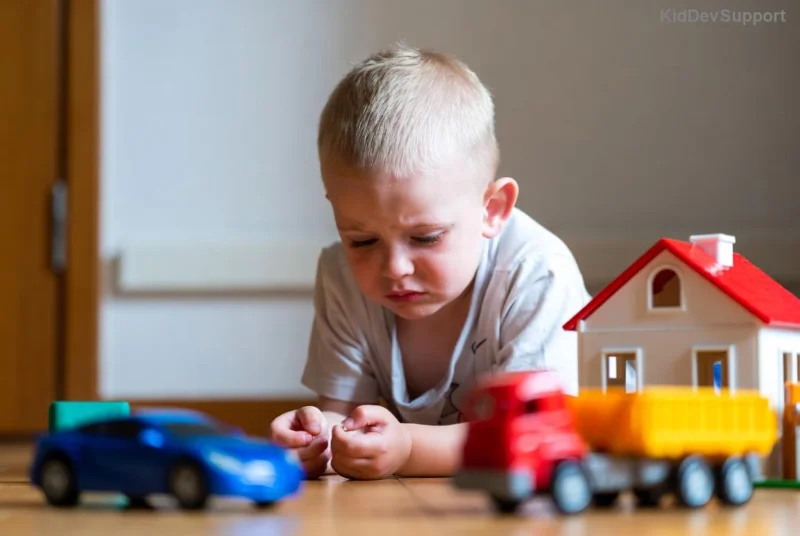
Sensory Issues in Autism Spectrum Disorder (ASD)
Autism Spectrum Disorder (ASD) is a neurodevelopmental condition characterized by challenges in social communication, repetitive behaviors, and often, sensory processing issues. Recent studies show that 90-95% of individuals with autism exhibit sensory sensitivities, making it a core feature rather than a side effect.
In autism, sensory processing issues might manifest as:
- Avoiding eye contact due to overwhelming visual input.
- Repetitive movements (stimming) to self-regulate sensory overload.
- Extreme reactions to changes in routine, amplified by sensory discomfort.
Unlike standalone SPD, sensory challenges in autism intertwine with social and behavioral traits, creating a more complex picture.
Autism vs SPD: Key Differences Unveiled
So, is it autism or SPD? The overlap is significant—many with SPD have autism, and vice versa—but differences exist. Here's a clear comparison:
| Aspect |
Autism (ASD) |
SPD |
| Core Features |
Social deficits, communication challenges, repetitive behaviors + sensory issues |
Primarily sensory processing difficulties; social skills often intact |
| Prevalence of Sensory Issues |
90-95% affected |
Up to 16% in general population |
| Social Impact |
Impaired (e.g., trouble reading cues) |
Typically normal |
| Diagnosis |
DSM-5 criteria |
Clinical observation via sensory profiles |
| Co-occurrence |
Often with SPD |
Can occur alone or with ADHD/ASD |
This table highlights why distinguishing autism vs SPD requires professional evaluation. For instance, a child with pure SPD might excel socially but avoid playgrounds due to tactile overload, while an autistic child might struggle with peer interactions alongside sensory aversions.
The Overlap: When Autism and SPD Coexist
Comorbidity is common—about 75% of autistic individuals meet SPD criteria. The latest neuroimaging studies reveal shared brain wiring differences in sensory regions like the thalamus and insula. This overlap means sensory processing issues can mask or mimic autism symptoms.
Pro tip: Track patterns. Does sensory distress lead to meltdowns only, or accompany social withdrawal? This clue guides next steps.
![Comparison of sensory processing in autism and SPD]()
How to Get a Diagnosis: Steps for Clarity
Don't guess—seek experts. Start with:
- Pediatrician for initial screening ⚕️.
- Occupational Therapist (OT) using tools like the Sensory Profile 2.0.
- Developmental Pediatrician or Psychologist for autism assessment via ADOS-2.
For reliable info, consult American Occupational Therapy Association or Autism Speaks. Genetic testing may rule out related conditions.
Treatment and Management Strategies
Whether autism, SPD, or both, tailored interventions work wonders:
- Sensory Integration Therapy: Play-based activities to "retrain" the brain (e.g., swinging, brushing techniques).
- Environmental Modifications: Noise-cancelling headphones, weighted blankets.
- Behavioral Therapies: ABA for autism, CBT for anxiety tied to sensory issues.
- Medications: If co-occurring ADHD or anxiety (consult a doctor 💊).
Success stories abound: Children once overwhelmed now thrive in school with simple accommodations like fidget tools or sensory breaks. Track progress with a journal to refine strategies.
Empowering Your Journey: Next Steps
Sensory processing issues don't define your child—they're manageable with the right tools. If autism or SPD resonates, schedule that evaluation today. Early action leads to happier, more confident kids 🎉.
Share your experiences in the comments—what sensory processing issues have you noticed? For more guides on neurodiversity, subscribe and dive deeper. You've got this!