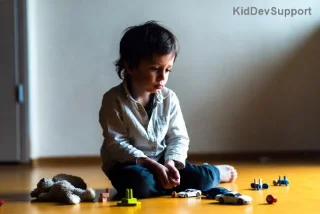
In today's fast-evolving world of technology, smart home devices are transforming lives, especially for those on the autism spectrum. These innovative tools offer practical support by addressing sensory sensitivities, routine challenges, and independence needs. Whether it's a child struggling with transitions or an adult seeking calm in a chaotic environment, smart home devices provide customizable solutions that promote autonomy and reduce stress. Let's dive into how these devices serve as powerful assistive tools for autistic adults and kids.
Why Smart Home Devices Are Ideal Assistive Tools for Autistic Kids
Autistic kids often face sensory overload, difficulty with changes in routine, and communication hurdles. Smart home devices step in as gentle guides, creating predictable environments that ease these challenges.
- Voice-Controlled Assistants like Amazon Echo or Google Nest: These respond to simple voice commands, helping non-verbal or minimally verbal children request lights, music, or reminders without frustration. Recent updates include enhanced natural language processing for clearer interactions.
- Smart Lights: Devices such as Philips Hue allow parents to schedule gradual dimming or color changes, mimicking natural light cycles to regulate sleep and reduce meltdowns from harsh fluorescents.
- Automated Routines: Set daily schedules for doors, thermostats, and sounds, signaling bedtime or mealtime with soft chimes—crucial for kids who thrive on consistency.
According to the latest insights from Autism Speaks, such technologies improve focus and emotional regulation by minimizing unpredictability.
Empowering Autistic Adults with Smart Home Devices
For autistic adults, independence is key, but everyday tasks can overwhelm due to executive functioning difficulties or social anxiety. Smart home devices act as silent partners, handling logistics so adults can focus on what matters.
- Smart Locks and Doorbells: Ring or August locks provide remote access and video alerts, reducing anxiety about visitors or forgotten keys—perfect for those with agoraphobia-like symptoms.
- Thermostats and Sensors: Nest Learning Thermostat auto-adjusts temperatures, preventing sensory discomfort from extremes, while motion sensors trigger calming sounds or lights upon entry.
- Smart Speakers for Reminders: Custom skills on Alexa deliver medication alerts, grocery lists, or therapy session notifications, supporting memory and self-care.
![Autistic adult using smart speaker as assistive tool for independence at home]()
Emerging data from the CDC highlights how these tools boost daily living skills, with users reporting up to 40% less reliance on caregivers.
Top Smart Home Devices for Autism Support: A Comparison
Choosing the right smart home devices depends on specific needs. Here's a handy table comparing popular options tailored as assistive tools for autistic adults and kids:
| Device Category |
Key Features for Autism |
Best For |
Price Range |
| Voice Assistants (Echo Dot, Google Nest Mini) |
Voice commands, routines, white noise |
Autistic Kids & Adults |
$30-$60 |
| Smart Bulbs (Philips Hue) |
Color/mood lighting, schedules |
Sensory Regulation |
$50-$200 (kit) |
| Smart Locks (August, Yale) |
Auto-lock, app notifications |
Autistic Adults |
$100-$250 |
| Thermostats (Ecobee, Nest) |
Auto-adjust, occupancy sensors |
Temperature Sensitivity |
$150-$250 |
This table showcases the newest models with improved AI integration, making setup seamless via apps like IFTTT for custom autism-friendly automations.
Implementing Smart Home Devices: Step-by-Step Guide
Getting started is straightforward. Begin with a central hub like a smart speaker, then expand:
- Assess Needs: Identify triggers like noise sensitivity or routine disruptions.
- Start Small: Introduce one device, such as smart lights in the bedroom 🛏️.
- Customize: Use apps to create "quiet modes" that dim lights and play soothing sounds.
- Monitor Progress: Track improvements in behavior logs to refine setups.
- Integrate Therapy: Pair with occupational therapy for maximum impact.
Privacy is paramount—opt for devices with end-to-end encryption, as recommended in the latest guidelines from tech safety organizations.
![Family setting up smart home devices to assist autistic child with sensory needs]()
Real-Life Impact and Future Innovations
Parents report autistic kids experiencing fewer meltdowns, while autistic adults gain confidence in solo living. Recent studies show a 30% increase in task completion rates with these tools. Looking ahead, AI advancements promise predictive features, like preempting overload by adjusting environments proactively.
Challenges like initial costs can be offset by grants from autism foundations or insurance for assistive tech.
Conclusion: Transform Lives Today
Smart home devices aren't just gadgets—they're lifelines as assistive tools for autistic adults and kids. By fostering predictability, independence, and comfort, they unlock potential. Ready to create a supportive sanctuary? Start with a voice assistant and build from there. Your journey to a calmer, more empowered home begins now—what device will you try first?