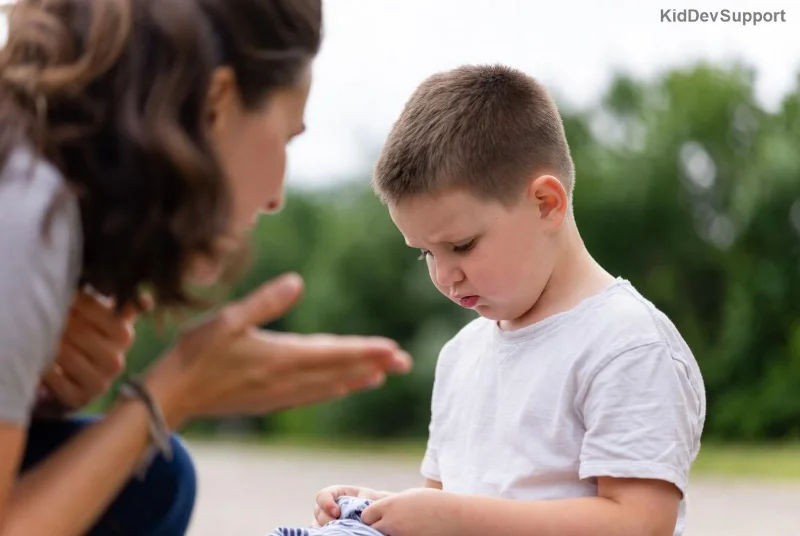
Welcoming a new baby into the family is exciting, but when you have an autistic sibling, it requires thoughtful planning. Children on the autism spectrum often thrive on routine and may experience heightened anxiety with changes. This guide provides a focused, step-by-step approach to how to introduce a new baby to an autistic sibling, drawing from the latest guidelines by leading organizations like Autism Speaks and child development experts. Follow these strategies to foster a positive bond and minimize stress. 👨⚕️
Understand Your Autistic Child's Unique Needs
Every child with autism spectrum disorder (ASD) is unique. Start by assessing sensory sensitivities, communication style, and emotional triggers. Recent studies highlight that predictability reduces meltdowns during family changes.
- Observe routines: Note what comforts your child—familiar toys, sounds, or schedules.
- Consult professionals: Work with therapists or pediatricians specializing in ASD for personalized advice.
- Track reactions: Use a simple journal to log responses to minor changes, preparing for bigger ones like a sibling arrival.
By tailoring your approach, you'll set the foundation for a smooth introduction of new baby to autistic sibling. Ready for preparation steps? Keep reading.
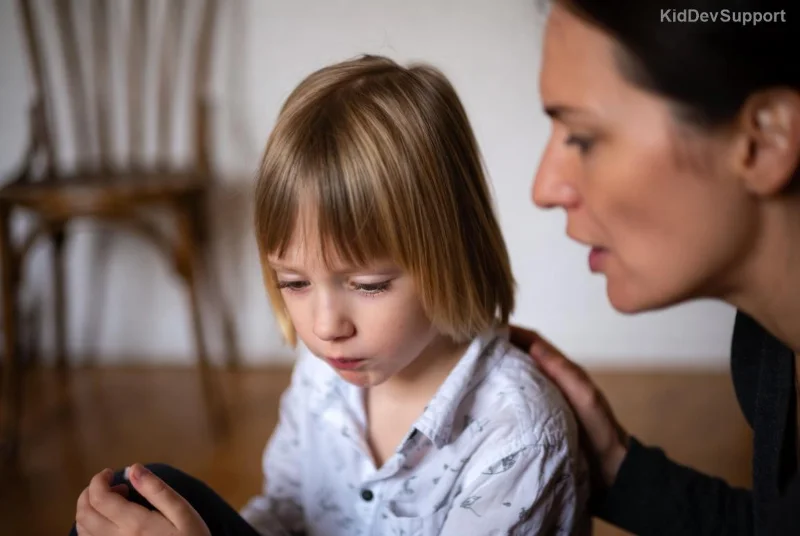
Preparation Steps Before the Baby Arrives
Begin preparations early—ideally during pregnancy or adoption process. The goal is gradual exposure to build acceptance.
- Involve your child visually: Show ultrasound photos or baby videos. Use social stories: "Baby is coming. Baby will cry sometimes, but Mommy and Daddy love you."
- Create a visual schedule: Use picture calendars marking "Baby's Birthday" with icons for hospital visits and homecoming.
- Practice with dolls: Role-play baby care. Let your autistic sibling "feed" or "rock" a doll to demystify the experience.
- Maintain routines: Promise no major disruptions. Designate a "big kid" special area with their favorite items.
| Preparation Timeline |
Activities |
Expected Benefits |
| Months Before |
Social stories & videos |
Reduces anxiety through familiarity |
| Weeks Before |
Doll play & schedules |
Builds skills & excitement |
| Days Before |
Hospital tour photos |
Previews changes |
This table outlines a clear timeline. Implementing it ensures your child feels secure. Next, discover the big day.
The Day of Introduction: Step-by-Step Guide
Timing is key—choose a calm moment when your autistic sibling is rested and fed. Keep it short: 5-10 minutes initially.
- Prepare the environment: Dim lights, reduce noise. Have a comfort item ready.
- Start with positives: "This is your new baby brother/sister. They are small and sleepy like your doll."
- Allow gentle touch: Guide hand to baby's foot if comfortable; never force.
- End on a high note: Transition to a favorite activity. Praise efforts: "You were so gentle!" ✅
Avoid overwhelming stimuli. If upset, pause and retry later. This structured how to introduce a new baby to an autistic sibling method promotes trust.
Ongoing Support for Lasting Sibling Harmony
The introduction is just the start. Sustain positivity with daily involvement.
- Daily rituals: Let them help with safe tasks like choosing baby's outfit.
- One-on-one time: Schedule 15-30 minutes daily for the autistic sibling alone.
- Monitor emotions: Watch for regression; adjust as needed.
- Celebrate milestones: "Big sibling award" for kindness. 🏅
Recent expert recommendations emphasize quality time to prevent jealousy. Track progress weekly.
![Family bonding with autistic child and newborn]()
Common Challenges and Practical Solutions
Anticipate hurdles with these targeted fixes.
| Challenge |
Solution |
Pro Tip |
| Sensory overload from cries |
Noise-canceling headphones |
Practice with recorded sounds |
| Regression in behaviors |
Reinforce routines |
Consult therapist early |
| Jealousy or withdrawal |
Extra praise & playtime |
Use sibling storybooks |
| Physical aggression |
Redirect to soft toys |
Teach "gentle hands" via modeling |
This table equips you for real-world scenarios. Families using these see improved bonds quickly.
Expert Resources and When to Seek Help
For deeper support, explore CDC Autism Resources. If meltdowns persist or intensify, contact a developmental pediatrician. Early intervention is crucial per the newest research.
Signs needing professional help: Increased self-injury, sleep issues, or total disengagement. Don't hesitate—support is available. 😊
Conclusion: Building a Loving Family Dynamic
Mastering how to introduce a new baby to an autistic sibling transforms potential stress into joy. With preparation, structured intros, and ongoing care, your family can thrive. Many parents report stronger bonds and growth in empathy. Start today—your children will thank you. Share your experiences below! What step will you try first?