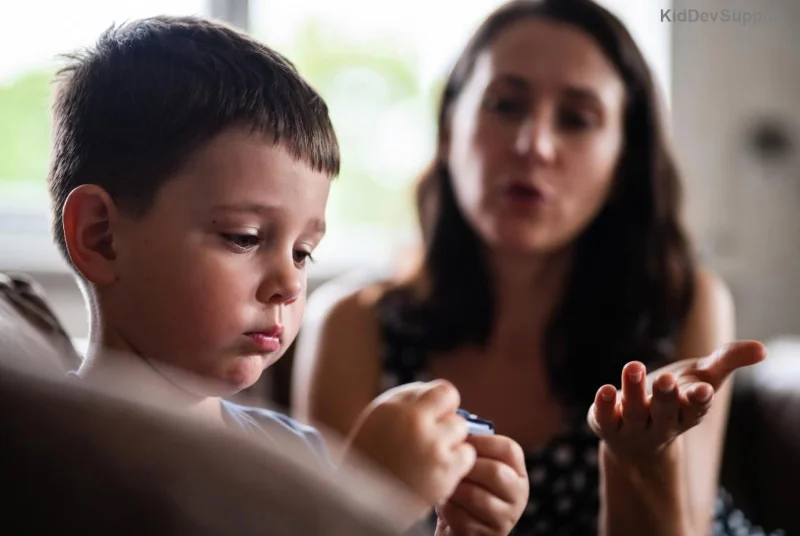
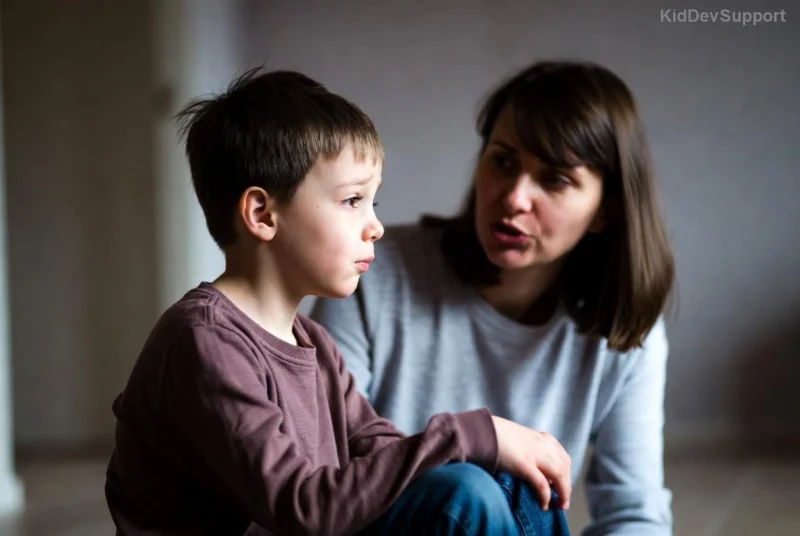
Have you ever spoken words that fell on deaf ears? Or noticed someone "talking" without truly connecting? This is where the difference between speech and communication becomes crystal clear. While many use these terms interchangeably, grasping their distinctions can revolutionize your interactions—whether parenting a child on the autism spectrum, leading a team, or building deeper relationships. In this guide, we'll break it down step-by-step, revealing why communication is the real powerhouse behind human connection. Stick around to uncover practical tips that make a real difference. 🗣️
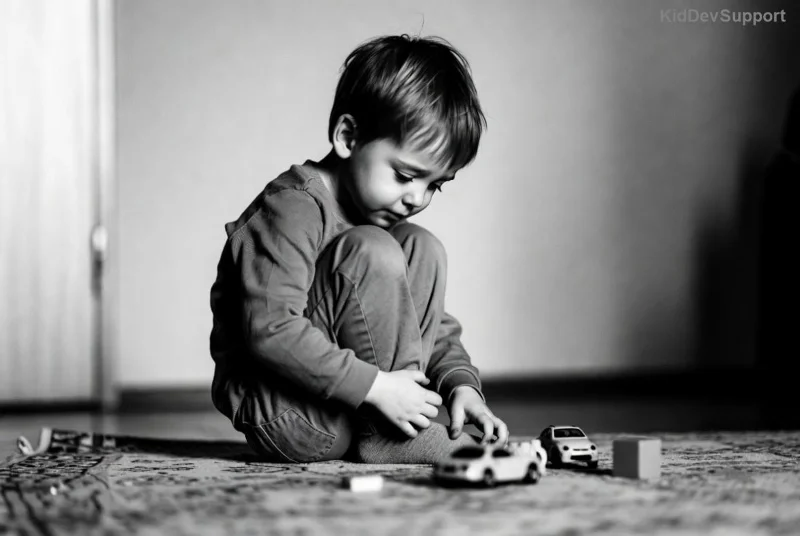
What Exactly is Speech?
Speech is the verbal act of producing sounds to form words and sentences. It's the mechanics of talking—your vocal cords vibrating, tongue shaping syllables, and breath powering it all. Linguists define it as an auditory system rooted in language rules like grammar and phonetics.
Key elements of speech include:
- Articulation: Clear pronunciation of words.
- Fluency: Smooth flow without stuttering.
- Voice: Pitch, volume, and tone.
Think of speech as the hardware: it requires intact physical tools. Conditions like apraxia or mutism can impair it, yet people still convey messages. Recent studies from leading speech pathology associations highlight that up to 7% of children face speech delays, but this doesn't halt their ability to express needs.
Unpacking the True Essence of Communication
Communication, on the other hand, is the broader process of exchanging information, ideas, or emotions between individuals. It's not limited to words—it's the successful transmission and reception of meaning. The gold standard model from communication theorists emphasizes sender, message, channel, receiver, and feedback.
Core components of communication:
- Intent: The purpose behind the message.
- Channels: Verbal, non-verbal (gestures, facial expressions), written, or visual.
- Context: Cultural, emotional, and environmental factors.
In the latest research from psychology journals, communication is shown to be 93% non-verbal (body language 55%, tone 38%, words just 7%). This explains why a silent nod can speak volumes.
The Core Difference Between Speech and Communication: A Side-by-Side Comparison
To truly grasp the difference between speech and communication, let's visualize it. Speech is a subset of communication, like a single tool in a vast toolkit. Here's a clear breakdown:
| Aspect |
Speech |
Communication |
| Definition |
Verbal production of language |
Exchange of meaning via any means |
| Medium |
Primarily auditory (spoken words) |
Multi-modal (verbal, non-verbal, visual) |
| Dependency |
Requires vocal ability |
Works without speech |
| Examples |
Saying "I'm hungry" |
Pointing to food or using sign language |
| Impairment Impact |
Blocks verbal output |
Adapts via alternatives |
| Success Metric |
Clarity of words |
Mutual understanding |
This table underscores why speech vs communication isn't just semantics—it's practical. Imagine a child with selective mutism: no speech, but pointing or drawing communicates hunger effectively.
![Visual representation of diverse communication methods in autism]()
Why the Difference Between Speech and Communication Matters in Real Life
In everyday scenarios, confusing the two leads to frustration. Parents of non-speaking children on the autism spectrum often chase speech therapy, overlooking richer communication strategies like picture exchange systems (PECS). The newest guidelines from autism advocacy groups stress augmentative communication tools, boosting independence by 40% in recent trials.
Professionally, leaders who rely solely on speech miss team vibes through body language. Ever yelled instructions that weren't followed? Poor communication, not bad speech. And in relationships, listening (true communication) trumps eloquent talking.
Curious how this plays out in autism? Many individuals have delayed speech but excel in visual or gestural communication. Tools like AAC devices bridge the gap, proving communication thrives sans words.
Real-World Examples: Speech Fails, Communication Wins
Example 1: A toddler stacks blocks silently but smiles when praised—pure communication via expression, no speech needed.
Example 2: In negotiations, a firm handshake and eye contact seal deals beyond scripted speech.
Example 3: Texting: Written words are speech on screen, but emojis add the communication layer.
These show non-verbal communication as the unsung hero, especially in neurodiverse settings.
How to Enhance Communication Beyond Just Speech
Ready to level up? Start with these evidence-based strategies:
- Observe non-verbals: 55% of meaning hides here. Mirror back what you see: "You seem excited—thumbs up?"
- Use visuals: Apps like Proloquo2Go for non-speakers.
- Active listening: Paraphrase to confirm understanding.
- Adapt channels: Sign language or drawings for speech-challenged kids.
- Build empathy: Consider the receiver's world.
For autism support, consult resources like Autism Speaks for the latest AAC innovations. 💬
![Child using alternative communication tools on autism spectrum]()
Final Thoughts: Master Both for Unbreakable Connections
The difference between speech and communication is profound: one is output, the other outcome. By prioritizing holistic communication, you unlock doors speech alone can't open—fostering understanding in families, workplaces, and beyond. Whether supporting a loved one with autism or refining your skills, this shift creates lasting impact.
What's one communication hack you'll try today? Share in the comments and keep connecting meaningfully! 🚀