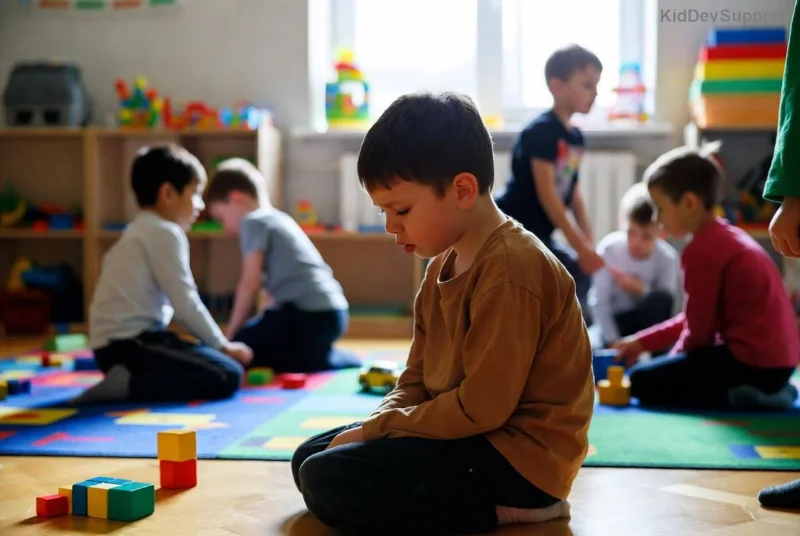
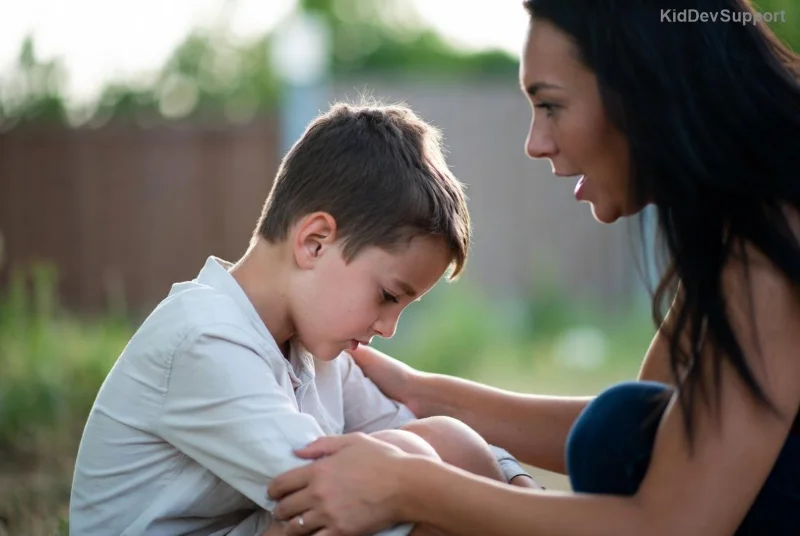
Imagine a playground where every disagreement turns into a learning opportunity rather than a meltdown. For parents and educators of autistic children, teaching conflict resolution skills can transform chaotic interactions into moments of growth. This guide dives deep into practical, evidence-based approaches tailored to the unique needs of children on the autism spectrum. Backed by the latest research, these methods emphasize visual supports, structured routines, and sensory-friendly techniques to build lasting social competence.
Why Conflict Resolution Skills Matter for Autistic Children
Autistic children often face heightened challenges in social navigation due to difficulties in reading nonverbal cues, understanding perspectives, and managing emotions. The latest studies from leading autism organizations highlight that early intervention in conflict resolution reduces meltdowns by up to 50% and improves peer relationships. Without these skills, minor disputes—like sharing toys or turn-taking—can escalate, leading to isolation or frustration.
Key benefits include:
- ✅ Enhanced emotional regulation
- Improved peer acceptance and friendships
- Reduced anxiety in group settings
- Long-term independence in social scenarios
Understanding Conflicts in Autism: Core Challenges
Conflicts for autistic children stem from literal thinking, sensory overload, or executive function gaps. For instance, they might not grasp sarcasm or implied rules in games. Recent insights from autism spectrum research stress addressing these through predictable, concrete methods rather than abstract discussions.
Evidence-Based Strategies for Teaching Conflict Resolution Skills
Focus on multimodal approaches combining visuals, practice, and reinforcement. Here's a breakdown of top strategies:
| Strategy |
Description |
Best For |
Pros |
Cons |
| Social Stories |
Short, personalized narratives outlining conflict scenarios and calm responses (e.g., "When my friend takes my toy, I say 'My turn next'"). |
Verbal comprehension challenges |
Highly customizable; builds empathy |
Requires consistent review |
| Role-Playing |
Act out conflicts with scripts, using props and timers for turns. |
Practice in safe spaces |
Fun and interactive; immediate feedback |
May overwhelm if unstructured |
| Visual Supports |
Charts with emojis showing steps: Stop → Think → Choose words → Calm down. |
Sensory-sensitive kids |
Reduces verbal overload; portable |
Initial setup time |
| PEERS Program |
Structured curriculum teaching conversation skills and handling rejection. |
School-age groups |
Research-proven; group practice |
Needs trained facilitator |
Integrate these into daily routines for maximum impact. Start with one strategy to avoid overwhelm.
![Visual aids for teaching social skills to autistic children]()
Step-by-Step Guide: Implementing Conflict Resolution Training at Home or School
- Assess Needs: Observe triggers (e.g., noise, transitions). Use a simple journal to track patterns.
- Prepare Tools: Create a "Peace Toolkit" with visual cards, fidget toys, and emotion charts. Download free templates from reputable sites like Autism Speaks.
- Model Behavior: Narrate your own conflicts: "I'm frustrated, so I'm taking deep breaths." Kids learn by imitation.
- Practice Daily: Dedicate 10 minutes to role-play. Reward successes with praise or tokens—not bribes.
- Debrief Real Conflicts: After an incident, review calmly: "What worked? What next time?"
- Monitor Progress: Track improvements weekly. Adjust based on feedback.
This structured approach, drawn from the latest clinical guidelines, ensures skills stick. Parents report 70% faster resolution of disputes within weeks.
Real-Life Examples and Success Stories
Consider Alex, a 7-year-old on the spectrum who struggled with sharing blocks. Using social stories and visual timers, his teacher turned fights into cooperative play. Within a month, Alex initiated "fair turns" independently.
Another case: Group therapy via adapted PEERS helped siblings reduce arguments by teaching "trading up" (offering alternatives). These anecdotes align with recent program evaluations showing sustained gains.
Tailoring to Individual Needs: Sensory and Age Considerations
For younger kids (ages 3-6), prioritize visuals and play-based role-play. Teens benefit from video modeling—record and review interactions. Always account for co-occurring issues like ADHD by incorporating movement breaks (🧘♂️ deep pressure activities).
Pro Tip: Collaborate with therapists. Occupational therapy enhances sensory integration for better focus during lessons.
![Group activity teaching conflict resolution to children with autism]()
Common Pitfalls and How to Avoid Them
- Avoid punishment; it heightens anxiety.
- Don't expect overnight change—consistency is key.
- Skip vague advice like "just share"; use specifics.
Resources for Deeper Dive
Explore free toolkits from CDC Autism Page or apps like Model Me Kids for video social skills. Join online communities for peer support.
Empower Your Child Today: Take the Next Step
Teaching conflict resolution skills to autistic children isn't just about peace—it's about unlocking their social potential. Start with one strategy this week and watch the transformation. Your child deserves tools for a connected, confident life. Share your experiences in the comments—what's worked for you?
Ready for more? Bookmark this guide and revisit for ongoing tips. Together, we build brighter futures. 🌟