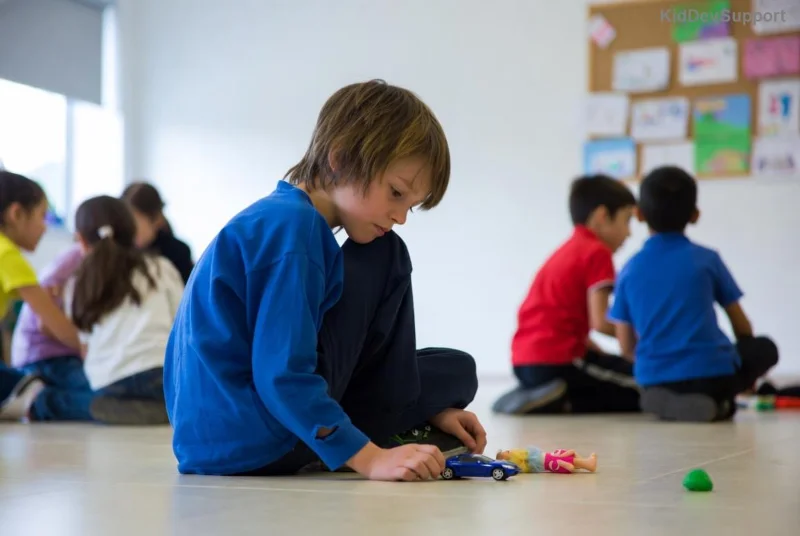
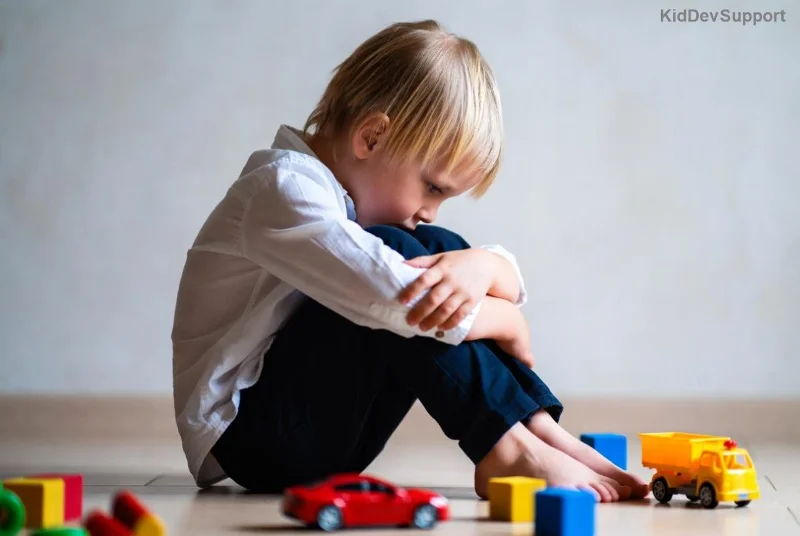
Imagine your autistic child lighting up with excitement as they mix colors, feel textures, and watch reactions unfold right before their eyes. Teaching science to autistic kids through hands-on experiments isn't just effective—it's transformative. These activities leverage sensory strengths, reduce anxiety, and make abstract concepts tangible. In this guide, we'll dive into why these methods work, share practical tips, and provide 12 ready-to-try experiments that fit any home or classroom.
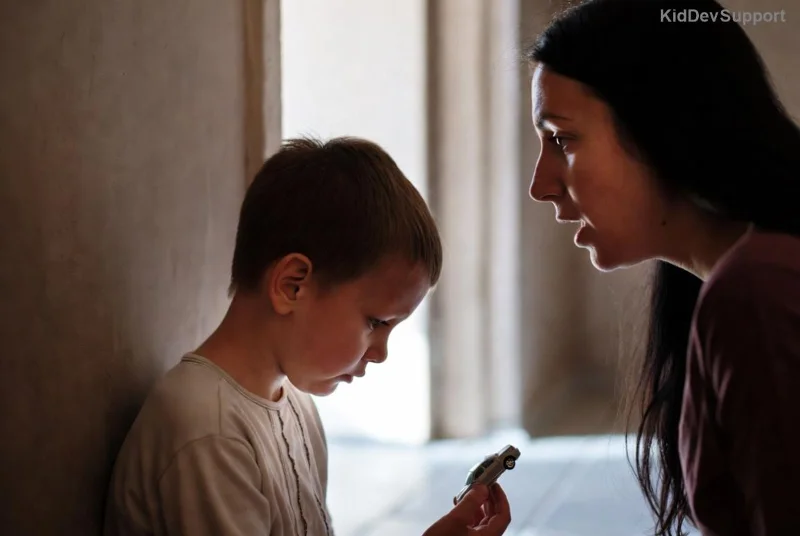
Why Hands-On Experiments Are Ideal for Teaching Science to Autistic Kids
Autistic children often thrive with visual, tactile, and predictable learning. According to the newest research from leading autism organizations, sensory-based activities improve retention by up to 75% compared to lectures. Hands-on experiments minimize verbal overload, allowing kids to explore at their pace. They build confidence, foster social skills through shared discovery, and align with neurodiverse needs like routine and repetition.
Key Benefits at a Glance
| Benefit | Impact on Autistic Learners |
|---|
| Sensory Engagement 🧪 | Stimulates touch, sight, and sound for deeper processing |
| Predictable Outcomes | Reduces anxiety with repeatable results |
| Customization | Adapt to individual sensitivities |
| Skill Building ⭐ | Enhances fine motor, problem-solving, and communication |
Essential Tips Before Starting Hands-On Experiments
- Prepare the Environment: Use a quiet space with clear boundaries. Visual schedules prevent overwhelm.
- Choose Safe Materials: Opt for non-toxic, hypoallergenic items. Always supervise.
- Adapt for Sensory Needs: Offer noise-cancelling headphones or textured gloves if needed.
- Incorporate Interests: Tie experiments to obsessions like trains or animals for buy-in.
- Debrief Gently: Use pictures or simple words to review—what happened? Why?
Ready to dive in? These 12 experiments are simple, low-cost, and scaled for ages 4-12. Each includes materials, steps, science concept, and autism-friendly adaptations.
![Child with autism exploring sensory science materials]()
12 Proven Hands-On Experiments for Teaching Science to Autistic Kids
1. Baking Soda Volcano 🏔️
Concept: Chemical reactions (acid-base).
Materials: Baking soda, vinegar, dish soap, food coloring, clay or playdough.
Steps: Build a volcano shape. Add baking soda and soap inside. Pour in colored vinegar. Watch it erupt!
Adaptation: Use slow-pour vinegar for prediction practice. Repeat for comfort.
2. Color-Changing Milk Magic 🥛
Concept: Surface tension and polarity.
Materials: Whole milk, food coloring, dish soap, shallow plate.
Steps: Drop colors into milk. Touch center with soapy finger—watch explosions!
Adaptation: Pre-measure for routine; video replay for visual learners.
3. Invisible Ink Messages ✍️
Concept: Oxidation.
Materials: Lemon juice, cotton swab, paper, heat source (lamp).
Steps: Write with juice. Heat to reveal. Discuss spies!
Adaptation: Pair with special interests like secret codes.
4. Homemade Lava Lamp 🌋
Concept: Density and immiscibility.
Materials: Oil, water, food coloring, Alka-Seltzer.
Steps: Layer oil over water. Drop colored tablet—bubbles rise!
Adaptation: Dim lights for calming visuals.
These first four build foundational chemistry skills. Keep reading for physics and biology fun that ties into real-world wonders.
5-8: Physics Favorites
| Experiment | Key Concept | Quick Adaptation |
|---|
| Balloon Rocket 🚀 | Newton's Laws | String line for predictability |
| Sink or Float Challenge | Density | Sort with visuals first |
| Straw Bridge Build | Structures & Forces | Template for success |
| Magnet Maze | Magnetism | Wand control reduces frustration |
9-12: Biology and Earth Science Stars
- Growing Crystal Gardens: Supersaturation. Use borax, pipe cleaners. Adapt: Timed checks.
- Plant Power Seeds: Germination. Beans in bags. Adapt: Daily photo journal. Learn more from CDC resources.
- Soil Layer Dig: Sedimentation. Jars of dirt. Adapt: Layer preview pics.
- Butterfly Life Cycle: Metamorphosis. Kit or drawings. Adapt: Sequential models. Autism Speaks toolkits.
![Happy autistic kids conducting science experiments together]()
Adapting for Spectrum Diversity
Every autistic child is unique. For high sensory seekers, amp up textures like slime volcanoes. For avoiders, use gloves and soft lighting. Track progress with simple charts—what worked? Progress to group experiments for social growth. The newest guidelines emphasize individualized IEPs with STEM integration.
Common Challenges and Solutions
- Meltdowns from Mess: Use trays and wipes ready.
- Lack of Interest: Theme around favorites (e.g., dinosaur fossils).
- Overstimulation: Short sessions, breaks with fidgets.
Resources to Elevate Your Approach
Explore free printables from NICHD or apps like Tinkercad for digital extensions. Join online communities for shared successes.
Conclusion: Spark Lifelong Curiosity
Teaching science to autistic kids via hands-on experiments opens doors to STEM confidence and joy. Start with one today—watch the magic unfold. Your child’s unique mind deserves this engagement. Share your results below and keep experimenting!
FAQ: Hands-On Experiments for Autistic Children
What age are these suitable for?
Ages 4-12, with scaling options.
Do I need special equipment?
No—household items suffice.
How often should we do experiments?
2-3 times weekly for best retention.