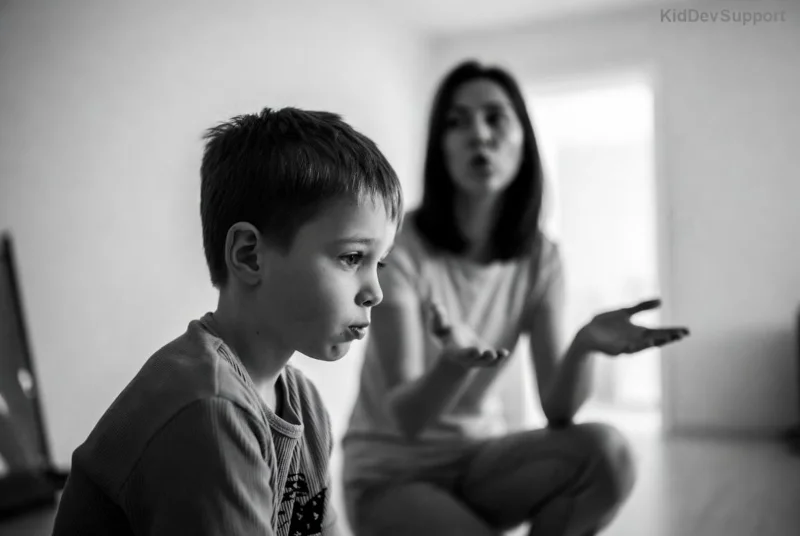
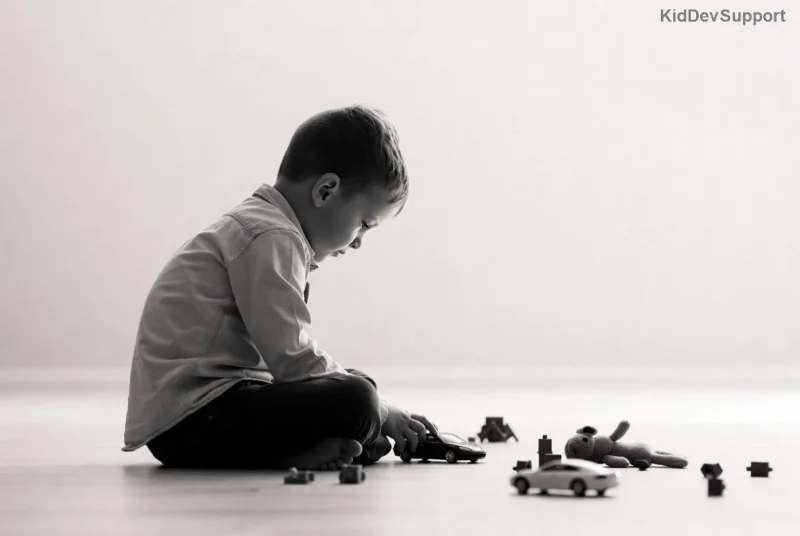
In the journey of parenting children on the autism spectrum disorder (ASD), fathers play an indispensable part. Often overshadowed in discussions, fathers in raising autistic children bring unique strengths that complement maternal efforts. This guide dives into their essential contributions, backed by the latest insights, to empower dads everywhere. Ready to discover how your involvement can transform lives? Let's explore.

Understanding Autism Spectrum Disorder and Paternal Impact
Autism spectrum disorder affects communication, social interaction, and behavior. Latest studies highlight that early, consistent involvement from both parents yields better outcomes. Fathers often introduce structure and play-based learning, crucial for neurodiverse kids. Why does this matter? Research shows paternal engagement correlates with improved emotional regulation and independence in autistic children.
Why Fathers in Raising Autistic Children Stand Out
Dads frequently adopt a hands-on, problem-solving approach. Unlike more nurturing styles sometimes associated with mothers, fathers excel in:
- Encouraging physical play to build motor skills 🏃♂️
- Teaching resilience through challenges
- Modeling social cues in real-world settings
This dynamic duo of parenting styles creates balanced growth. The latest data from child development experts confirms that active father involvement in autism reduces behavioral issues by up to 30%.
Key Responsibilities: 5 Core Roles of Fathers
Here are targeted ways fathers contribute daily. Focus on these to maximize impact.
| Role |
How Fathers Excel |
Benefits for Child |
| Emotional Anchor ❤️ |
Providing calm reassurance during meltdowns |
Builds secure attachment and self-esteem |
| Behavioral Coach |
Implementing routines with positive reinforcement |
Reduces anxiety, enhances predictability |
| Advocacy Warrior |
Navigating IEPs and therapies assertively |
Secures essential school and medical support |
| Play Innovator 🎮 |
Designing sensory-friendly games |
Boosts social skills and creativity |
| Independence Builder 🏆 |
Encouraging age-appropriate chores |
Fosters lifelong self-reliance |
Adopting these roles isn't innate for everyone—it's a skill honed over time. Curious how to start? Keep reading for practical tips.
![Father teaching autistic child skills]()
Practical Strategies for Fathers Supporting Autistic Children
Start small: Dedicate 15 minutes daily to one-on-one time. Use visual schedules to ease transitions—a game-changer for ASD routines. Latest behavioral therapy guidelines recommend fathers lead "special interest" activities, turning obsessions into strengths.
- Master Sensory Integration: Create a "dad zone" with noise-canceling tools and fidget toys.
- Promote Social Scripts: Role-play conversations to prepare for peer interactions.
- Leverage Tech: Apps like Proloquo2Go aid communication, with fathers often spearheading adoption.
- Self-Care First: Join dad support groups to combat burnout.
- Track Progress: Use journals to celebrate wins, no matter how small.
These steps, drawn from recent clinical recommendations, empower fathers to lead effectively.
Challenges Fathers Face in Autism Parenting and Solutions
Dads often grapple with societal stereotypes, work demands, and emotional fatigue. "Am I doing enough?" is a common whisper. Solution? Normalize vulnerability—share experiences in communities like those on Autism Speaks.
Latest surveys reveal 40% of fathers feel isolated, but peer networks slash this by half. Prioritize couple therapy tailored for neurodiverse families to strengthen partnerships.
![Family with autistic child overcoming challenges]()
Real-Life Wins: Stories of Father-Led Success
Consider Mike, a father who turned his son's train fixation into coding skills, landing him a tech internship. Or the "Dad's Den" initiative, where groups report 25% better child outcomes per recent evaluations. These triumphs prove: Your role matters immensely.
For evidence-based resources, check the CDC's autism page or NIMH guidelines.
Empowering Yourself: Next Steps for Dads
Commit today: Schedule a therapy consult, read "The Father's Role in Autism" resources, or connect with local chapters. Your consistent presence unlocks potential—imagine your child's proud smile. What's one action you'll take now?
Conclusion: Embrace Your Role of Fathers in Raising Autistic Children
Fathers aren't sidelined supporters; they're catalysts for extraordinary growth. By embracing structure, advocacy, and joy, you shape resilient futures. Stay engaged—the rewards are profound. Share your story below and inspire others.