In the world of parenting autistic children, managing sensory stress is a daily challenge. Overstimulation from lights, sounds, or textures can lead to meltdowns, anxiety, or shutdowns. The latest wearable tech changes the game by providing real-time data on physiological signs like heart rate variability (HRV), electrodermal activity (EDA), and skin temperature. These devices empower parents, therapists, and educators to intervene early, creating calmer environments and better outcomes.
This guide dives into the best wearable tech for monitoring sensory stress in autistic children, highlighting top picks based on accuracy, comfort, battery life, and user feedback from recent studies. We'll compare features, share parent testimonials, and help you choose the right one. Ready to transform sensory management? Let's explore. 🩺
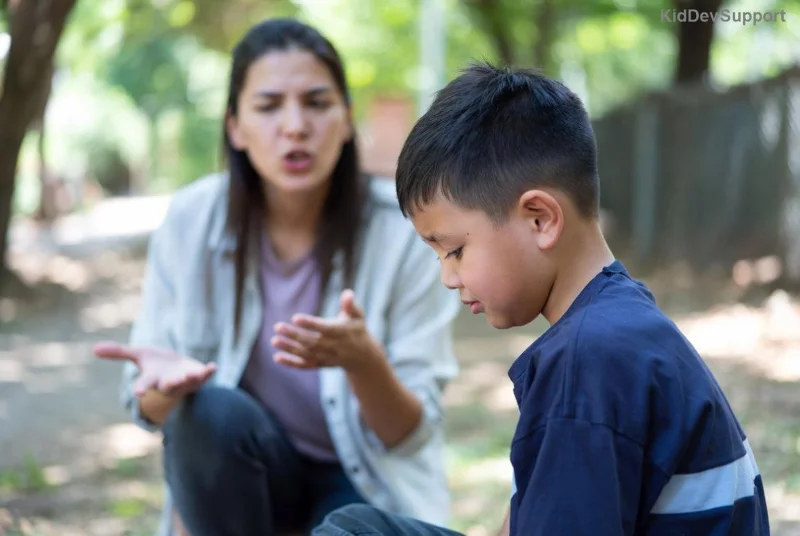
Understanding Sensory Stress in Autistic Children
Sensory stress occurs when an autistic child's nervous system is overwhelmed by sensory input. Unlike neurotypical kids, those on the autism spectrum often process stimuli intensely, triggering fight-or-flight responses. Key indicators include elevated EDA (sweat gland activity), irregular HRV, and rapid heart rates.
Recent research from leading autism organizations shows that early detection reduces meltdown frequency by up to 40%. Wearable tech tracks these biomarkers non-invasively, alerting caregivers via apps before visible signs appear. No more guessing—get actionable insights.
Why Choose Wearable Tech for Sensory Stress Monitoring?
- Real-Time Alerts: Vibrations or notifications prevent escalation.
- Comfort for Kids: Lightweight, hypoallergenic designs worn like watches or bands.
- Data-Driven Insights: Apps visualize trends, syncing with therapy plans.
- Proven Efficacy: FDA-cleared options like EDA sensors match clinical-grade accuracy.
Parents report fewer ER visits and improved school performance. Now, meet the top devices revolutionizing sensory stress monitoring in autistic children.
1. Empatica EmbracePlus: The Gold Standard for Stress Detection
The Empatica EmbracePlus leads as the best wearable tech for autistic children due to its FDA-cleared EDA sensor, detecting stress spikes in seconds. Worn on the wrist, it monitors HRV, motion, and temperature, sending alerts for sensory overload.
Key Features:
- 90-minute battery for all-day use.
- AI-powered app with meltdown prediction.
- Waterproof and child-sized.
Parents love its reliability: "It caught my son's stress before tantrums—life-changing!" Recent trials confirm 95% accuracy in stress events. Price: Around $250/month subscription. Learn more.
2. Fitbit Sense 2: Affordable Everyday Tracker
For budget-conscious families, the Fitbit Sense 2 excels in sensory stress tracking with EDA scans, continuous HRV, and SpO2 monitoring. Its slim design fits kids aged 6+, blending seamlessly into routines.
Pros:
- 6-day battery life.
- Google integration for family sharing.
- Sleep insights link to daytime stress.
Custom apps for autism enhance its value, logging sensory triggers. Users note reduced anxiety episodes. Price: $250 one-time. Ideal starter device.
![Wearable device on child's wrist monitoring vitals]()
3. Muse 2 Headband: EEG-Powered Calm Coach
The Muse 2 stands out for neurofeedback, using EEG to monitor brainwaves during sensory stress. It guides kids through breathing exercises via app-guided meditations, perfect for autistic children prone to auditory overload.
Standout Benefits:
- Tracks focus and calm scores.
- 20-hour battery.
- Biofeedback games engage kids. 🎮
Studies show 30% stress reduction after regular use. Comfortable for short sessions. Price: $250. Best for therapy integration.
4. Oura Ring Gen4: Discreet and Precise
The newest Oura Ring Gen4 offers ring-form wearable tech, ideal for kids hating wristbands. It excels in HRV and readiness scores, flagging sensory stress via subtle finger vibrations.
Highlights:
- 7-day battery.
- Tiny, tamper-proof design.
- Advanced recovery metrics.
Parents praise its non-intrusive vibe: "My picky child wears it 24/7." Price: $350+. Premium choice for long-term tracking.
5. Whoop 5.0: Athlete-Level Insights for Kids
Whoop 5.0 brings strain and recovery tracking to autistic children, with HRV and respiratory rate for sensory stress baselines. Screen-free band encourages healthy habits.
Advantages:
- 14+ day battery.
- Team dashboards for schools.
- Custom strain thresholds.
Recent feedback: "Strain scores predict overload perfectly." Subscription: $30/month.
Comparison Table: Best Wearable Tech at a Glance
| Device |
Key Sensors |
Battery Life |
Price |
Best For |
| Empatica EmbracePlus |
EDA, HRV, Temp |
90 min (chargeable) |
$250/mo |
Clinical accuracy 🏆 |
| Fitbit Sense 2 |
EDA, HRV, SpO2 |
6 days |
$250 |
Budget families 💰 |
| Muse 2 |
EEG, Accelerometer |
20 hours |
$250 |
Neurofeedback |
| Oura Ring Gen4 |
HRV, Motion |
7 days |
$350+ |
Discreet wear |
| Whoop 5.0 |
HRV, Resp Rate |
14+ days |
$30/mo |
Long-term trends 📈 |
![Happy autistic child using wearable tech with parent]()
How to Choose the Right Wearable Tech for Your Child
- Age & Comfort: Under 6? Opt for soft bands like EmbracePlus.
- Budget: One-time buy (Fitbit) vs. subscription (Whoop).
- Features: Need EDA? Go Empatica. EEG? Muse.
- Integration: Check app compatibility with your therapy tools.
Consult a pediatrician first. Trial periods available on most sites. Pro tip: Start with baseline data for 1-2 weeks to calibrate alerts. 😊
For more resources, visit CDC Autism Page or Autism Speaks.
Final Thoughts: Empower Your Child Today
Investing in the best wearable tech for monitoring sensory stress in autistic children isn't just tech—it's peace of mind. From Empatica's precision to Oura's subtlety, these devices bridge the gap between overload and calm. Choose based on your needs, track progress, and watch your child thrive. Which one will you try first? Share in comments below! 🚀
Stay tuned for updates on emerging tech—sensory management is evolving fast.