Ultimate Guide: Mastering Handling Challenging Behaviors in the School Setting

In today's dynamic classrooms, handling challenging behaviors in the school setting is a critical skill for educators. From disruptions to aggression, these behaviors can hinder learning and create stressful environments. This guide delivers concise, actionable insights based on the newest evidence-based practices to help teachers foster positive change. Stay tuned for strategies that transform chaos into calm.

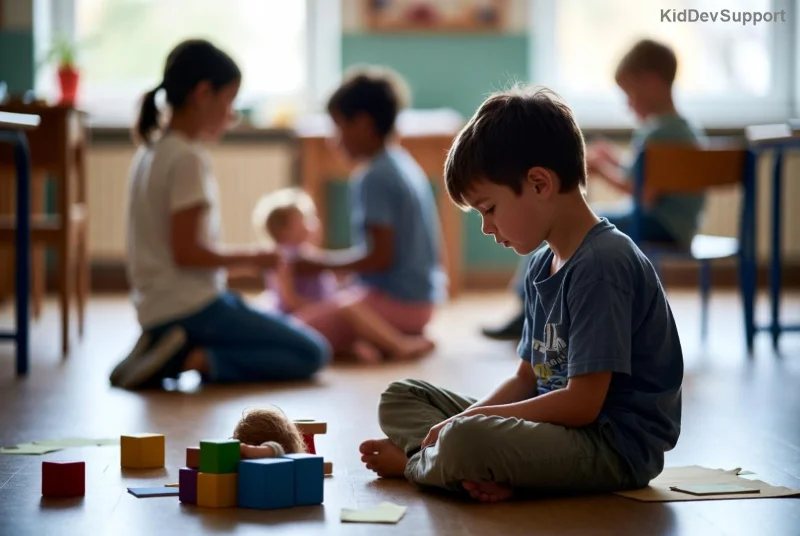
Educator supporting student with challenging behavior in classroom

Understanding Challenging Behaviors in the School Setting

Challenging behaviors include defiance, outbursts, withdrawal, or hyperactivity that disrupt teaching and peer interactions. Root causes often stem from unmet needs, trauma, neurodiversity, or environmental triggers. Recent studies highlight that early identification prevents escalation, with data showing proactive approaches reduce incidents by up to 50%.

Key types:

  • Externalizing: Aggression, non-compliance.
  • Internalizing: Anxiety, shutdowns.
  • Self-injurious: Rare but urgent.

Proven Frameworks for Handling Challenging Behaviors

The gold standard is Positive Behavioral Interventions and Supports (PBIS), a tiered model widely adopted in schools. It emphasizes prevention over punishment.

Tier Focus Strategies Expected Outcomes
Tier 1 Universal School-wide expectations, routines ✅ 80% students supported
Tier 2 Targeted Small groups, check-in/check-out 15% at-risk students
Tier 3 Intensive Individualized plans, FBA 5% high-need students

Implement PBIS by defining 3-5 clear rules like "Be Respectful, Be Responsible, Be Ready." Reinforce with praise and tokens for positive actions.

Immediate Strategies for Classroom Management

When behaviors arise, de-escalate swiftly without power struggles. Here's a step-by-step approach:

  1. Prevent: Use visual schedules and transitions signals to anticipate triggers.
  2. Redirect: Offer choices, e.g., "Work here or at your desk?"
  3. Teach Replacement: Model calm responses explicitly.
  4. Consequence: Natural and logical, like loss of privilege, not shame.
  5. Reflect: Post-incident, discuss feelings privately.

For neurodiverse students, sensory breaks reduce overload. Latest tools include fidget kits and noise-canceling options.

Teacher implementing positive behavior support in school

Functional Behavior Assessment (FBA): The Diagnostic Tool

Conduct an FBA to pinpoint why behaviors occur. Observe ABCs: Antecedent, Behavior, Consequence. Develop a Behavior Intervention Plan (BIP) with replacements.

Example BIP Table:

Behavior Function Replacement Supports
Yelling for attention Escape task Request break card Timer, praise
Throwing objects Sensory input Stress ball Safe space

Building a Supportive School Culture

Collaborate with teams: Counselors, parents, specialists. Train staff in trauma-informed care, recognizing ACEs (Adverse Childhood Experiences) impact. Newest programs integrate mindfulness for all, boosting self-regulation.

Parent involvement: Share progress via apps, host workshops. Data tracking via simple charts ensures fidelity.

For resources, explore PBIS.org or CDC on school violence prevention.

Case Study: Real-World Success

In one school, implementing Tier 1 PBIS cut office referrals by 60%. A student with frequent meltdowns thrived after FBA revealed sensory triggers, replaced by a quiet corner. These stories prove: Consistency wins. What's your next step?

Overcoming Common Pitfalls

  • Avoid inconsistency—align whole school.
  • Don't ignore culture—tailor to diverse needs.
  • Measure progress weekly, adjust as needed.

Conclusion: Empower Your Classroom Today

Handling challenging behaviors in the school setting demands proactive, compassionate strategies like PBIS and FBA. By focusing on root causes and positives, educators create thriving spaces. Implement one tip today—track results, and watch engagement soar. Ready for more? Dive into PBIS training and share your wins below.

Stay equipped with the latest updates by subscribing for educator tips.
Leave a Comment

How Light and Sound Sensitivity Secretly Sabotage Mental Health – Proven Fixes Inside

How Light and Sound Sensitivity Secretly Sabotage Mental Health – Proven Fixes Inside

Discover the profound impact of light and sound sensitivity on mental health. Learn symptoms, causes, latest research, and practical strategies to manage sensory overload for better anxiety relief and emotional well-being.

Why Quiet Spaces Are Essential in Schools and Workplaces: Boost Focus, Reduce Stress & Skyrocket Productivity

Why Quiet Spaces Are Essential in Schools and Workplaces: Boost Focus, Reduce Stress & Skyrocket Productivity

Explore why quiet spaces are essential in schools and workplaces for enhancing focus, supporting neurodiversity, and boosting productivity. Discover latest benefits, science-backed insights, and practical implementation tips.

Unlocking Joy: How Video Games Empower Autistic Youth as a Positive Outlet

Unlocking Joy: How Video Games Empower Autistic Youth as a Positive Outlet

Discover how using video games as a positive outlet for autistic youth boosts social skills, cognitive growth, emotional regulation, and more. Backed by latest research, with tips for parents to maximize benefits.

Lifetime Costs of Autism Support Exposed: Millions in Hidden Expenses Every Family Faces

Lifetime Costs of Autism Support Exposed: Millions in Hidden Expenses Every Family Faces

Explore the comprehensive lifetime costs of autism support, from early interventions to adult care. Get accurate breakdowns, strategies to reduce expenses, and essential insights for families managing autism spectrum disorder financial burdens.

Autism and Perfectionism: 7 Proven Strategies to Conquer High Expectations

Autism and Perfectionism: 7 Proven Strategies to Conquer High Expectations

Explore the deep link between autism and perfectionism. Learn practical, evidence-based strategies for managing high expectations, reducing anxiety, and fostering self-compassion in autistic individuals for a balanced life.

Unlocking Ears and Minds: Proven Ways to Boost Developing Listening Skills in Autistic Children

Unlocking Ears and Minds: Proven Ways to Boost Developing Listening Skills in Autistic Children

Discover effective strategies, fun activities, and expert tips for developing listening skills in autistic children. Improve communication, focus, and learning with this comprehensive guide based on the newest research.

Autism Symptoms Compared: Level 1 vs. 2 vs. 3 – Essential Differences Unveiled

Autism Symptoms Compared: Level 1 vs. 2 vs. 3 – Essential Differences Unveiled

Explore autism symptoms across Level 1, 2, and 3 in this detailed comparison. Understand key differences, support needs, and how to identify autism spectrum disorder levels for better intervention.

Coping with the Grief of an Autism Diagnosis: Essential Strategies for Healing and Hope

Coping with the Grief of an Autism Diagnosis: Essential Strategies for Healing and Hope

Discover practical ways to cope with the grief of an autism diagnosis. Learn stages of grief, emotional support strategies, and paths to acceptance for families facing autism spectrum disorder.

Unlocking Social Bonds: 10 Proven Ways to Encourage Social Play in Autistic Toddlers

Unlocking Social Bonds: 10 Proven Ways to Encourage Social Play in Autistic Toddlers

Discover expert-backed strategies to encourage social play in autistic toddlers. Boost interaction skills, foster friendships, and promote development with practical, evidence-based tips for parents and caregivers.

Is Risperidone Right for Your Autistic Child? Essential Pros, Cons & Expert Guide

Is Risperidone Right for Your Autistic Child? Essential Pros, Cons & Expert Guide

Wondering if risperidone is right for your autistic child? Explore the latest evidence on benefits, risks, dosage, alternatives, and when to consult a doctor for autism irritability management.









