Emergencies strike without warning—fires, natural disasters, or medical crises can disrupt lives in seconds. For families with an autistic family member, these events bring unique challenges like sensory sensitivities, communication differences, and routine disruptions. But with proactive autism emergency preparedness, you can minimize stress and ensure safety. This guide delivers actionable steps, checklists, and strategies to build a tailored emergency plan for autism. Read on to empower your family. ✅
Understanding the Unique Challenges in Autism Emergency Preparedness
Individuals on the autism spectrum often face heightened anxiety from loud alarms, unfamiliar environments, or sudden changes. Recent insights from leading health organizations highlight that sensory overload can lead to meltdowns, making evacuation harder. Common issues include:
- Difficulty processing verbal instructions amid chaos.
- Aversion to bright lights, sirens, or crowds.
- Reliance on visual schedules that get upended.
- Potential elopement (wandering) due to panic.
By anticipating these, your preparing for an emergency with an autistic family member becomes targeted and effective. Start by observing triggers during calm times—what calms them? Favorite textures? Preferred communication tools?
Step 1: Create a Personalized Emergency Plan for Autism
A one-size-fits-all plan won't work. Customize based on your family member's age, needs, and autism traits. Key elements include:
- Identify Risks: Assess local threats like earthquakes, floods, or power outages.
- Assign Roles: Designate who handles what—who stays with the autistic member?
- Visual Aids: Use picture-based schedules for "what happens next."
- Safe Words: Teach simple phrases like "Go to safe spot" with social stories.
Share copies with schools, neighbors, and first responders. Include medical info, allergies, and behaviors on a wallet card.
Essential Supplies: Build Your Autistic Child Emergency Kit
Stock a "sensory calm kit" alongside standard supplies. Use this table as your checklist:
| Category |
Items |
Why It Helps |
| Basics |
Water (1 gal/person/day), non-perishables, flashlight, batteries, first-aid kit |
Sustains 72 hours minimum |
| Sensory Tools |
Noise-canceling headphones 🎧, weighted blanket, fidget toys, chews |
Reduces overload |
| Comfort Items |
Favorite snacks/textures, photos of home, timer for routines |
Maintains familiarity |
| Communication |
PECS cards, tablet with apps, ID bracelet |
Non-verbal options |
| Medical 🏥 |
Meds (extra dose), doctor's info, sensory diet plan |
Handles co-occurring issues |
Rotate items every 6 months. Keep kits accessible—backpack by door, car trunk.
Mastering Communication During Autism Disaster Plan Execution
Clear, calm communication is vital. Avoid yelling; use short sentences and visuals. Train family with role-play: "Sirens mean we go to the car calmly."
- For Non-Verbal Members: Pre-load apps like Proloquo2Go with evacuation scripts.
- Social Stories: Create books showing "fire drill success" with happy endings 😊.
- First Responder Alerts: Use services like AngelSense GPS trackers for wander risk.
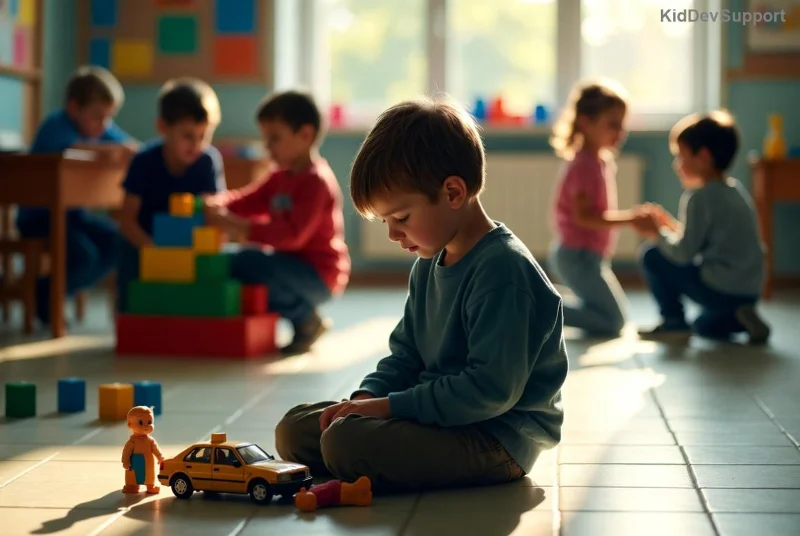
![Autistic child using visual aids in emergency prep]()
Practice Makes Perfect: Run Drills for Family Emergency Prep Autism
Drills build muscle memory without real panic. Start small:
- Weekly "quiet alarms" with rewards.
- Monthly full simulations, debriefing what worked.
- Include therapists or support groups for feedback.
Track progress in a journal. Kids often thrive with gamification—badges for "evac champ" 🏅.
What to Do During the Emergency
When it hits:
- Stay calm—your vibe sets theirs.
- Prioritize sensory shields (headphones first).
- Follow the plan; adapt as needed.
- Post-event: Debrief gently, restore routines.
For evacuations, have a "buddy system" and meeting spot with familiar landmarks.
Top Resources for Preparing for an Emergency with an Autistic Family Member
Leverage these trusted sources:
Join online forums for real-family tips.
Conclusion: Secure Your Family's Future Today
Preparing for an emergency with an autistic family member transforms fear into confidence. Implement this guide: customize your plan, stock the kit, practice relentlessly. Your loved one deserves safety—and you'll gain peace of mind. Start with one step today. What's your first action? Share in comments below!
Stay prepared, stay safe. 🌟