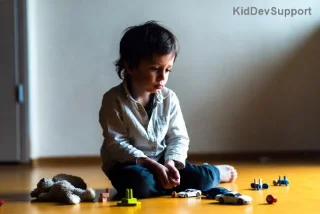
Parents of children on the autism spectrum face unique challenges when it comes to personal safety. Autistic children may struggle with social cues, literal thinking, and impulse control, making them more vulnerable to risks like stranger danger or unsafe touch. But with tailored strategies, you can equip them with lifelong safety skills. This guide draws from the latest expert recommendations to help you teach your autistic child about personal safety effectively. Ready to build a safer world for your child? Let's start with understanding the challenges.
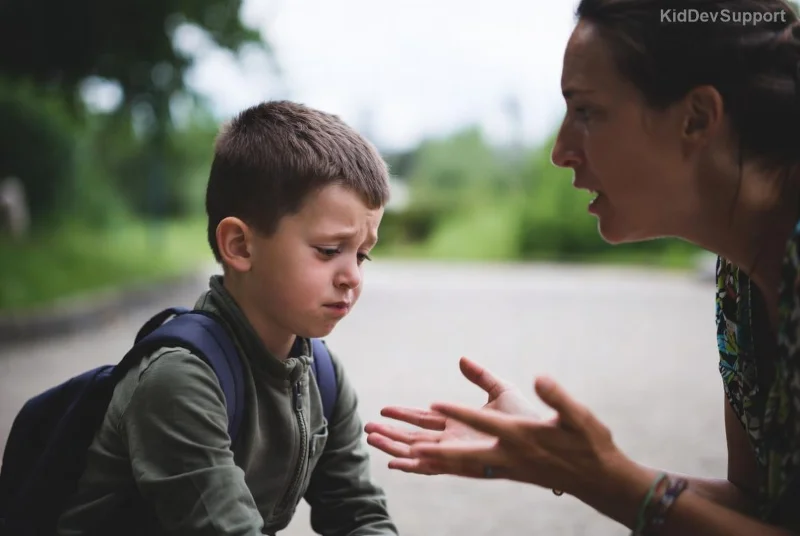
Why Personal Safety Matters More for Autistic Children
Recent studies highlight that children with autism spectrum disorder (ASD) are at higher risk for victimization. They might not recognize deceptive behavior or understand boundaries due to challenges in reading facial expressions or sarcasm. The good news? Early, consistent teaching can reduce these risks significantly.
Key vulnerabilities include:
- Stranger danger: Difficulty distinguishing safe from unsafe strangers.
- Online safety: Sharing personal info without realizing dangers.
- Physical boundaries: Not knowing appropriate touch or "no-go" zones.
- Elopement: Wandering off due to sensory seeking or routine disruptions.
Addressing these head-on builds confidence. But how? Focus on visual, repetitive methods that align with autistic learning styles. Keep reading for actionable steps.
Core Personal Safety Topics to Cover
Prioritize these essential areas when teaching your autistic child about personal safety. Break them into bite-sized lessons using simple language and visuals.
| Safety Topic |
Why It Matters for Autism |
Quick Tip |
| Stranger Danger |
Literal thinkers may trust anyone who seems friendly. |
✅ Teach "safe adults" list (parents, teachers only). |
| Safe Touch |
Sensory differences blur boundaries. |
🛡️ Use body map visuals: green (OK), red (NO). |
| Online Safety |
Eagerness to connect leads to oversharing. |
📱 Rule: No photos or addresses online. |
| Emergency Response |
Anxiety can freeze responses. |
📞 Practice "Help! Call 911" scripts. |
This table is your roadmap. Customize based on your child's age and needs. Wondering how to teach these? The next section reveals proven methods.
![Visual aids for autism safety training]()
Proven Strategies for Teaching Your Autistic Child About Personal Safety
Traditional lectures don't work for autistic learners. Instead, leverage their strengths: visuals, routines, and repetition. Here's how, backed by the latest behavioral interventions.
1. Social Stories and Visual Supports
Created by autism expert Carol Gray, social stories narrate scenarios in first-person, simple sentences. Example: "Sometimes strangers ask for help. I say no and find a safe adult. I stay safe!" Pair with pictures for 90% better retention.
2. Role-Playing and Video Modeling
Act out scenarios weekly. Film your child succeeding and replay. Research shows video self-modeling boosts skill acquisition by up to 80% in ASD.
3. Sensory-Friendly Tools
Use apps like Safety Social or printable badges saying "I have autism. I may not make eye contact." These reduce misunderstandings in public.
For hands-on practice, create a "Safety Zone" at home with props. Practice daily for 10 minutes. Track progress in a journal—what works best? Stay tuned for age-specific tweaks.
Age-Appropriate Approaches to Autism Safety
Tailor lessons to developmental stage:
- Toddlers/Preschoolers (2-5): Focus on "stop" signs and safe adults. Use songs like "No Touchy" rhymes.
- School-Age (6-12): Introduce online rules and elopement plans. GPS trackers like AngelSense add peace of mind.
- Teens/Adults: Discuss consent, dating safety, and self-advocacy. Role-play job interviews or public transit.
Pro Tip: Involve therapists for personalized plans. How do you measure success? Let's cover that next.
![Family practicing personal safety with autistic child]()
Tools, Resources, and Professional Support
Empower your efforts with these:
- Apps: Proloquo2Go for communication during emergencies; Think:Kids for social skills.
- Books: My Body is Private by Jayneen Sanders—adapt for visuals.
- Organizations:
Autism Speaks offers free toolkits.
CDC Autism Resources provide safety checklists.
Consult a Board-Certified Behavior Analyst (BCBA) for ABA-based training. Early intervention yields the best outcomes.
Monitoring Progress and Overcoming Challenges
Use a simple checklist:
- Can they identify 3 safe adults? ✅
- Do they practice "no, go, tell" for unsafe situations? ✅
- Weekly role-plays without prompts? ✅
If progress stalls, reassess triggers like sensory overload. Celebrate wins with rewards—positive reinforcement is key in autism training. Facing resistance? Common, but persistence pays off.
Final Thoughts: Empower Your Child Today
Teaching your autistic child about personal safety isn't just protection—it's independence. Start small, stay consistent, and watch them thrive. You've got this! Share your success stories in the comments or consult pros for tailored advice. For more autism parenting tips, explore our related guides. Safety first, always.