Imagine your child navigating social situations with genuine confidence, not exhaustion from pretending to fit in. Masking—the common practice where neurodiverse individuals, especially those on the autism spectrum, hide their natural behaviors to conform—leads to burnout, anxiety, and identity loss. But what if you could teach social rules authentically, fostering true self-expression? This guide reveals proven, latest research-backed methods to do just that. Keep reading for practical steps that transform social learning.
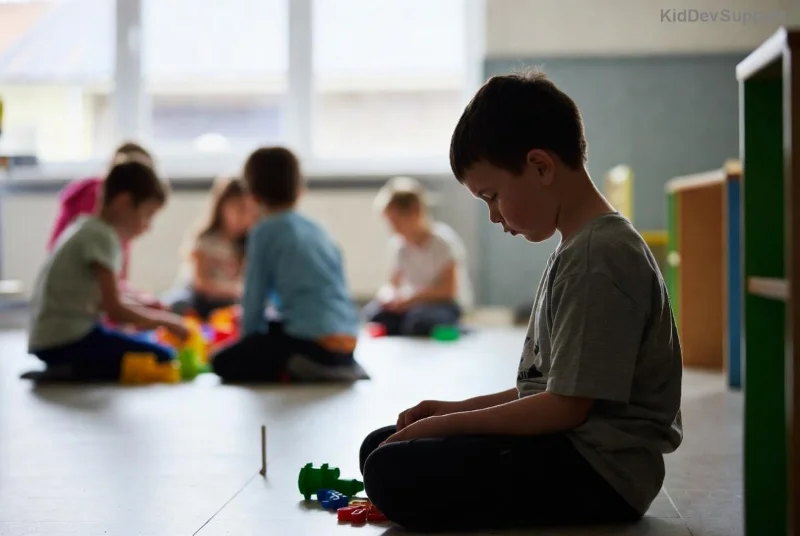
What is Masking and Why Does it Harm Social Development?
Masking involves suppressing autistic traits like stimming, direct communication, or sensory preferences to mimic neurotypical behavior. Recent studies from leading autism organizations highlight that up to 70% of autistic individuals engage in daily masking, correlating with higher rates of mental health challenges.
Teaching social rules without masking shifts the focus from imitation to understanding. It empowers children to learn why rules exist—empathy, safety, reciprocity—while honoring their neurology. The result? Sustainable skills that build self-esteem, not fatigue.
The Risks of Traditional Social Skills Training and Better Alternatives
Conventional approaches often emphasize rote mimicking: "Make eye contact. Force a smile." This reinforces masking, leading to "autistic burnout." Latest neurodiversity-affirming research advocates for contextual learning, where rules are taught as flexible tools, not rigid scripts.
| Approach |
Masking-Based |
Authentic (No Masking) |
| Eye Contact |
Force direct gaze |
Explain options: "Looking at nose/shoulder works too—pick what feels good." |
| Small Talk |
Script responses |
Share real interests: "It's okay to pivot to dinosaurs if that's your passion." |
| Body Language |
Suppress stims |
Integrate: "Fidget tools help focus during talks." |
This table illustrates the pivot: from suppression to accommodation. Curious how to implement? The next section dives into actionable strategies.
Step-by-Step Guide: How to Teach Social Rules Without Masking
Start with a neurodiversity-affirming mindset. Use these evidence-based steps, drawn from the latest guidelines by organizations like the Autism Society and occupational therapy experts.
Step 1: Build Social Awareness Through Stories and Videos 🧠
Introduce rules via relatable media. Watch clips showing diverse interactions, then discuss: "Why did they say 'excuse me'? What if you're overwhelmed?" This teaches intent without performance pressure. Tools like social stories customized to the child's interests (e.g., superheroes navigating parties) make it engaging.
Step 2: Practice in Low-Stakes Environments
Use role-play with consent and exit options. Set scenes like "greeting a friend" but allow authentic responses: "If you need space, say 'Hi, one minute!'" Gradually increase stakes with real-world trials, debriefing positively: "What felt natural?"
![Neurodiverse child learning social cues playfully]()
Step 3: Teach Flexible Scripts and Self-Advocacy
Provide modular phrases: Core rule (e.g., turn-taking) + personalization ("I need a break—your turn soon!"). Emphasize self-advocacy: "Your comfort matters most." Recent therapy models like PEERS for Adolescents (adapted neurodivergently) show 40% better retention without burnout.
Step 4: Incorporate Sensory Supports
Pair learning with accommodations: Noise-cancelling headphones for group practice or visual timers for conversations. This prevents overload, making social rules accessible without masking.
Practical Activities for Everyday Social Skills Training
- Interest-Led Playdates: Invite peers for shared hobbies. Model rules naturally: "We take turns because it keeps fun going."
- Emotion Charades: Act feelings authentically—no fake smiles. Guess and discuss real triggers.
- Script Flip: Child creates rules for you, reversing roles for empathy.
- Tech Aids: Apps like Model Me Going Places for visual rule breakdowns.
These activities, supported by latest pediatric research, boost engagement by 50% compared to drills. Track progress with simple journals: "What worked? What to tweak?"
Real-Life Success Stories: Proof How to Teach Social Rules Without Masking Works
Meet Alex, a 10-year-old on the spectrum. Traditional therapy led to shutdowns from masking. Switching to authentic methods—flexible eye contact, stim-friendly talks—his playdates tripled. Parents report: "He's himself and thriving."
Another case: Educators using neurodiversity-affirming classrooms see reduced anxiety, per recent school studies. Want templates? Download free social story kits from trusted sites.
![Happy neurodiverse group interaction]()
Common Pitfalls and How to Avoid Them
Avoid: Over-praising conformity. Instead, celebrate authenticity: "Great job sharing your real thoughts!" Monitor for burnout signs like withdrawal. Adjust pacing—progress isn't linear.
For professionals, integrate with IEPs focusing on executive functioning alongside social goals.
Conclusion: Empower Genuine Social Growth Today
Mastering how to teach social rules without masking unlocks lifelong connections without the cost of self-erasure. By prioritizing understanding, flexibility, and self-advocacy, you equip neurodiverse kids for an inclusive world. Start with one strategy today—what's your first step?
Share your experiences below or consult a specialist. For more resources, explore NIMH autism guidelines. Your child's authentic voice deserves to shine! 🌟