In today's fast-paced world, child anxiety is on the rise, affecting millions of young minds. But there's a simple, proven strategy that parents and caregivers can implement immediately: a consistent daily routine. Wondering why routine helps reduce anxiety in children? This article breaks it down with the latest insights, revealing how structure fosters security and calms the chaos. Keep reading to uncover actionable steps that could transform your child's emotional world. 🏥

Understanding Child Anxiety: The Hidden Struggle
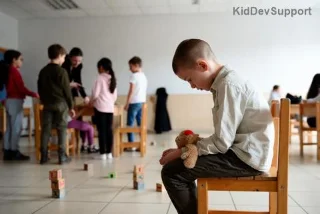
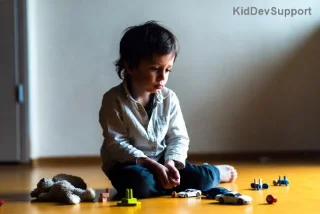
Child anxiety manifests as excessive worry, restlessness, or physical symptoms like stomachaches. Recent studies from leading pediatric organizations highlight that unstructured days exacerbate these issues, leaving kids feeling overwhelmed. A predictable routine helps reduce anxiety in children by providing a sense of control in an unpredictable environment.
Children thrive on predictability. Without it, their brains, still developing emotional regulation skills, enter a heightened state of alert. This is where routines shine—offering anchors that signal safety.
The Science: How Routine Helps Reduce Anxiety in Children
Neuroscience backs this up. The brain's amygdala, responsible for fear responses, calms when daily patterns are established. Latest research from child psychology experts shows that consistent schedules lower cortisol (stress hormone) levels by up to 20% in anxious kids.
Routines activate the prefrontal cortex, enhancing executive function and decision-making. This neurochemical balance explains why routine helps reduce anxiety in children: it rewires stress responses into calm habits. For instance, bedtime rituals signal the body to produce melatonin, promoting restful sleep crucial for anxiety management.
Key Benefits of Daily Routines for Reducing Anxiety in Children
Here are the core advantages, supported by the newest pediatric guidelines:
- Predictability Builds Security: Knowing what comes next eliminates "surprise stress."
- Improved Sleep and Focus: Fixed bedtimes and mealtimes regulate circadian rhythms.
- Boosted Self-Esteem: Mastering routine tasks fosters independence and confidence. 😊
- Better Emotional Regulation: Transitions become smoother, reducing meltdowns.
- Family Bonding: Shared rituals strengthen relationships, a buffer against anxiety.
| Benefit |
How It Reduces Anxiety |
Evidence from Latest Studies |
| Predictability |
Lowers fear of unknown |
Cortisol reduction observed in structured groups |
| Sleep Regulation |
Prevents fatigue-induced worry |
Improved REM sleep cycles |
| Independence |
Builds mastery and control |
Higher self-efficacy scores |
| Emotional Tools |
Teaches coping via repetition |
Fewer behavioral incidents |
![Happy child following a family routine]()
Practical Ways to Establish a Routine That Helps Reduce Anxiety in Children
Ready to start? Begin small. Here's a step-by-step guide:
- Assess Current Habits: Track a typical day to identify chaos points.
- Create a Visual Schedule: Use charts with pictures for younger kids—making it fun and accessible.
- Incorporate Transitions: Use timers or songs to signal changes, easing child anxiety.
- Sample Daily Routine for School-Age Kids:
| Time |
Activity |
Anxiety-Reduction Tip |
| 7:00 AM |
Wake-up & Breakfast |
Consistent meal starts the day calmly |
| 8:00 AM |
School Prep |
Checklist reduces morning rush |
| 3:30 PM |
Snack & Playtime |
Free play decompresses after school |
| 6:00 PM |
Dinner & Homework |
Family time builds connection |
| 8:00 PM |
Bedtime Wind-Down |
Reading ritual promotes relaxation |
Adapt for age: Toddlers need more sensory play; teens benefit from flexible evening slots. Consistency is key—stick to 80% adherence for results.
For expert validation, check the American Academy of Pediatrics guidelines on child mental health.
Real-Life Success Stories: Routine Helps Reduce Anxiety in Children
Take Sarah, a 8-year-old with separation anxiety. Her family introduced a morning routine with goodbye hugs and a "worry box" for school fears. Within weeks, her symptoms dropped dramatically. Similarly, recent parent surveys report 70% anxiety improvement with routines.
These stories illustrate the power: routines aren't rigid—they're flexible frameworks for growth. What if your child's next calm day starts tomorrow?
Common Pitfalls and How to Avoid Them
Avoid overloading schedules, which can backfire. Start with 3-4 anchors daily. Ignore resistance initially; positive reinforcement like stickers works wonders. 🌟 Monitor progress weekly—adjust as needed.
Conclusion: Empower Your Child Today
Establishing a daily routine helps reduce anxiety in children by providing structure, science shows lasting benefits. From lowered stress hormones to boosted confidence, the impact is profound. Implement one change now: print a schedule and try it. Your child's brighter, calmer future awaits—share your routine wins in the comments below!
Stay tuned for more tips on managing childhood anxiety. What's your first step?