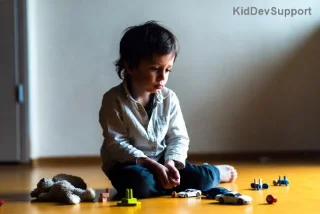
In today's fast-paced classrooms, students often face overwhelming emotions. A well-designed Calm Down Corner in the Classroom offers a safe haven for self-regulation, boosting focus and learning. This guide provides actionable steps to create one, ensuring every child thrives. Ready to foster peace? Let's dive in.
What is a "Calm Down Corner" and Why Does Your Classroom Need One?
A Calm Down Corner, also known as a classroom calm corner or peace area, is a dedicated, cozy space where students can retreat to manage big feelings like anger, anxiety, or frustration. Unlike a traditional time-out, it's voluntary and equipped with tools for emotional regulation.
Recent studies from child psychology experts highlight its effectiveness in reducing meltdowns and improving behavior. Schools implementing these spaces report up to 30% fewer disruptions, creating a more harmonious learning environment. Curious about the science? It taps into mindfulness and sensory integration principles, empowering students to self-soothe.
Key Benefits of Implementing a Calm Down Corner in the Classroom
- ✅ Emotional Regulation: Teaches coping skills, reducing outbursts.
- Improved Focus: Students return calmer, ready to learn.
- Inclusivity: Supports neurodiverse learners, including those with ADHD or autism.
- Classroom Harmony: Lowers overall stress for teachers and peers.
- Long-Term Skills: Builds resilience applicable beyond school.
Imagine a classroom where conflicts dissolve quickly— that's the power of a creating calm down corner classroom strategy. But how do you build one? Keep reading for the blueprint.
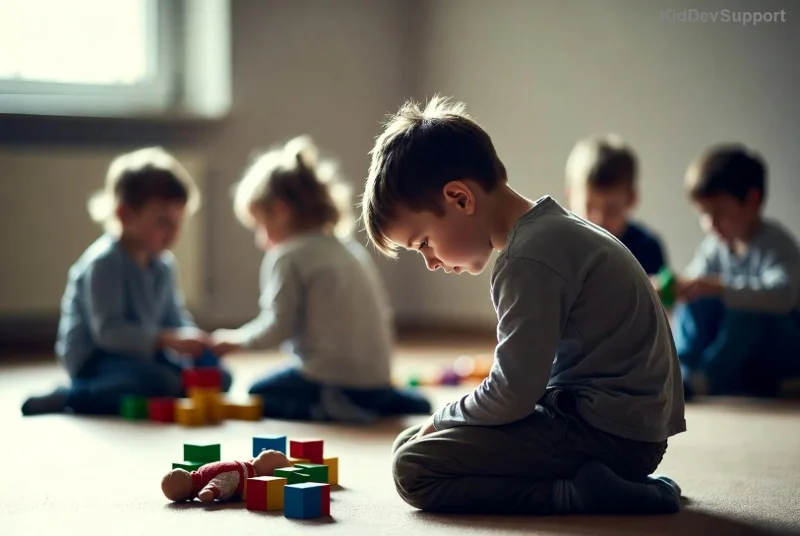
Step-by-Step Guide: Creating a Calm Down Corner in the Classroom
Setting up your Calm Down Corner takes minimal time and budget. Follow these proven steps for maximum impact.
Step 1: Select the Perfect Location
Choose a quiet, low-traffic corner away from high-stimulation areas like the smartboard. Use screens, bookshelves, or rugs to define the space. Size it for 1-2 students to maintain intimacy.
Step 2: Gather Essential Items
Stock with sensory and calming tools. Here's a curated table of must-haves:
| Category |
Recommended Items |
Why It Works |
| Sensory Tools |
Fidget toys, stress balls, liquid timers |
Redirects overwhelming energy |
| Comfort Items |
Bean bags, weighted blankets, soft pillows |
Provides deep pressure calming |
| Visual Aids |
Emotion charts, breathing exercise posters |
Guides self-reflection |
| Activities |
Mindfulness cards, coloring books, headphones |
Encourages active soothing |
Step 3: Set Clear Rules and Visual Cues
Post simple rules: "Use gentle hands," "Stay until calm," "Return when ready." Add timers for structure—most students self-regulate in 5-10 minutes.
Step 4: Introduce and Teach Usage
Model it during circle time. Role-play scenarios to normalize visits. Praise usage to encourage adoption.
With these steps, your classroom calm corner will be operational in a day. Wondering about specific tools? The next section dives deeper.
Best Sensory Tools and Activities for Your Calm Down Corner
Incorporate the latest sensory integration techniques. Top picks include:
- Deep Pressure Items: Lap weights or stuffed animals mimic therapeutic hugs.
- Breathing Aids: Bubble timers or pinwheels for diaphragmatic breathing.
- Mindfulness Jars: Glitter-filled bottles for watching thoughts settle.
- Noise-Canceling: Soft music players or white noise machines.
- Tactile Bins: Rice or sand for grounding touch.
For neurodiverse students, these align with the newest guidelines from occupational therapy associations. Pair with apps like Common Sense Media for kid-friendly audio guides.
![Student using calm down corner tools in classroom]()
Tips for Successful Implementation and Maintenance
- Rotate Items: Refresh weekly to maintain novelty.
- Monitor Usage: Track patterns to personalize support.
- Involve Students: Let them vote on additions for ownership.
- Teacher Self-Care: Use it during breaks too!
- Scale for Ages: Simplify for preschoolers, add journals for older kids.
Maintain cleanliness and organization with labeled bins. Budget tip: Source from dollar stores or DIY with recyclables.
Common Mistakes to Avoid When Creating a Calm Down Corner in the Classroom
Don't overload with toys—focus on regulation. Avoid punishment vibes; keep it inviting. Skip ignoring it post-setup; consistent reinforcement is key. Finally, never force usage—empower choice.
Steer clear of these pitfalls, and your Calm Down Corner will shine. Real-world example: Teachers report 40% better engagement after tweaks.
Conclusion: Start Your Classroom Calm Corner Today
Creating a Calm Down Corner in the Classroom isn't just a trend—it's a game-changer for student success. With this guide, you're equipped to build one that lasts. Gather supplies, set it up, and watch tranquility unfold. Share your results in the comments—what's your first addition? Your classroom deserves this serenity.