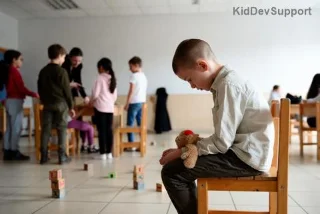
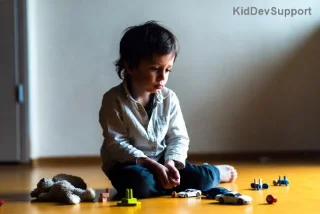
Is your 2-year-old showing subtle quirks that make you wonder? Recognizing early signs of autism in 2-year-olds can be life-changing. Autism Spectrum Disorder (ASD) affects how children communicate, interact, and behave. The good news? Early detection leads to better outcomes through therapies like speech and behavioral interventions. This guide breaks down the most common indicators based on the newest guidelines from health authorities, helping parents like you act swiftly.
Every child develops uniquely, but persistent patterns around age 2 signal potential ASD. Keep reading to learn what to watch for, when to seek help, and how early action makes a difference. ⚕️
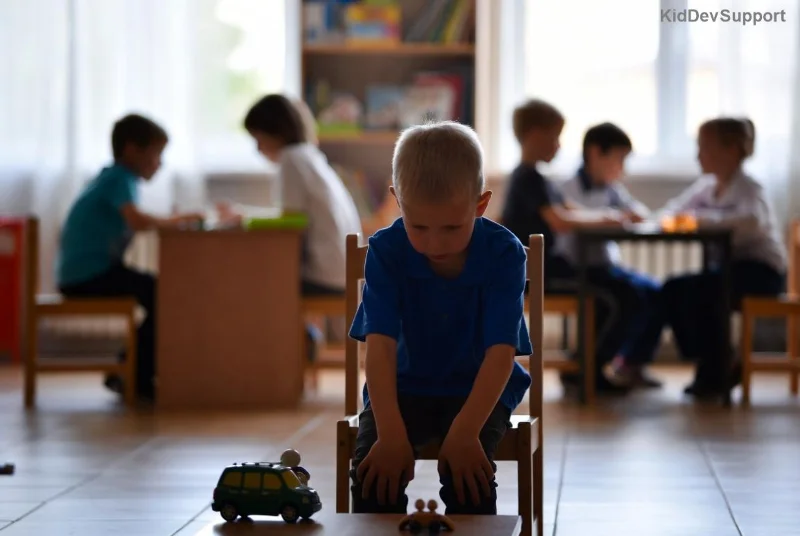
Social Communication Red Flags
Social skills are a cornerstone of development. By 2 years old, most toddlers engage eagerly with family and peers. Delays here are among the top early signs of autism in 2-year-olds.
- No eye contact: Avoids looking at your eyes during play or when you call their name.
- Doesn't respond to name: Ignores you even after multiple tries, unlike peers who turn and smile.
- Limited pointing or showing: Rarely points to share interest in objects, like a favorite toy or bird outside.
- No pretend play: Doesn't imitate actions like feeding a doll or pretending to talk on a phone.
- Prefers solitary play: Shows little interest in other children, even at playgroups.
These signs often appear together. If your child seems in their own world, note it—early observation is key.
Language and Speech Delays
Communication milestones at 2 include 50+ words and simple two-word phrases like "more juice." Autism symptoms in toddlers frequently involve speech lags.
| Typical 2-Year-Old |
Early Signs of Autism |
| Uses 50+ words |
Fewer than 20 words or none |
| Combines words (e.g., "want ball") |
Echoes words (echolalia) without meaning |
| Follows simple instructions |
Ignores directions like "give me the toy" |
This table highlights contrasts. Echolalia—repeating phrases like ad jingles—is common but concerning if it dominates without original speech.
![Toddler during speech therapy session for early autism signs]()
Repetitive Behaviors and Restricted Interests
ASD signs at 24 months often include repetitive actions, known as "stimming."
- Hand flapping or spinning: Repeatedly flaps hands, spins objects, or rocks intensely.
- Fixation on parts: Obsesses over wheels on a toy car instead of playing functionally.
- Resistance to change: Meltdowns over minor routine shifts, like a different cup.
- Lining up toys: Arranges items rigidly instead of imaginative play.
These self-soothing behaviors help regulate senses but can intensify without intervention.
Sensory Sensitivities
Many 2-year-olds with autism react unusually to senses. Early autism detection spots these:
- Over-sensitive: Covers ears at vacuum noise or avoids textures like grass.
- Under-sensitive: Seeks intense input, like crashing into furniture.
- Unusual smells or tastes: Sniffs objects obsessively or rejects most foods.
Sensory issues affect daily life, from mealtimes to outings. Tracking them aids diagnosis.
Motor and Developmental Differences
While not core signs, delays appear:
- Toe-walking persistently.
- Clumsiness or poor coordination.
- Late walking (after 18 months) combined with other flags.
Holistic checks matter—isolated delays may not indicate ASD, but clusters do.
![Parent consulting doctor about early signs of autism in toddler]()
When to See a Doctor: Action Steps
Don't wait for a "magic age." If you spot 2+ autism red flags 2 year old, consult your pediatrician immediately. Use free screening tools like the M-CHAT (Modified Checklist for Autism in Toddlers), recommended in the newest protocols.
- Schedule a well-child visit and share observations.
- Request referral to developmental specialist.
- Start early intervention services—proven to boost IQ and skills.
Early therapy like ABA (Applied Behavior Analysis) or speech therapy transforms trajectories. Studies show kids diagnosed before 3 thrive more.
For reliable info, visit CDC's autism page or Autism Speaks resources. These sites offer printable checklists.
Supporting Your Child Today
While awaiting evaluation:
- Encourage interaction: Narrate play, use visuals.
- Create routines: Predictability reduces anxiety.
- Limit screens: Opt for interactive toys.
- Join parent groups: Shared stories empower. 😊
Remember, autism is a spectrum—strengths like detail focus shine with support. Early awareness turns challenges into successes.
Final Thoughts: Empower Yourself with Knowledge
Spotting early signs of autism in 2-year-olds empowers you to advocate. Act now for a brighter path. Have questions? Comment below or consult a pro. Your vigilance could be the key to your child's best future. Share this if it helped—early detection saves futures! 🌟