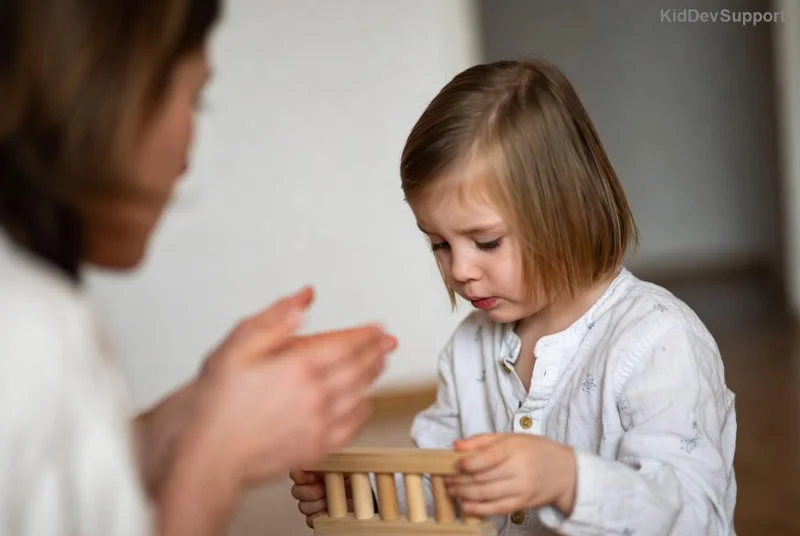
Navigating conversations about autism spectrum disorder (ASD) with family members can feel daunting, but it's essential for fostering empathy and support. Whether you're addressing curious siblings or concerned relatives, the right approach builds bridges of understanding. This guide provides focused, actionable strategies to explain autism to siblings and extended family effectively, ensuring everyone feels included and informed. Let's dive in and make these talks empowering. 😊
Grasp the Basics of Autism Spectrum Disorder
Before explaining to others, solidify your foundation. Autism spectrum disorder is a neurodevelopmental condition affecting communication, social interaction, and behavior. It's a spectrum, meaning symptoms vary widely—from those needing substantial support to highly independent individuals.
Key traits include challenges with social cues, repetitive behaviors, sensory sensitivities, and unique strengths like intense focus or creativity. Recent insights emphasize early intervention and neurodiversity, viewing autism as a different wiring of the brain rather than a deficit.
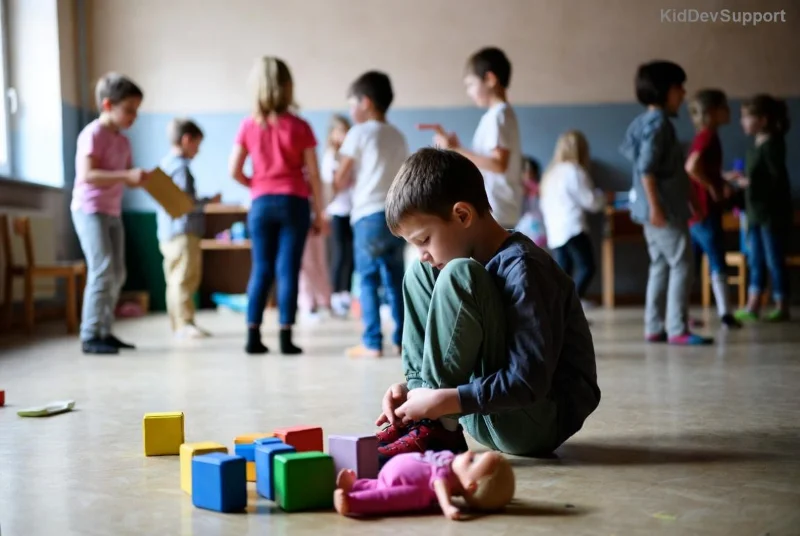
How to Explain Autism to Siblings: Age-Appropriate Strategies
Siblings often feel a mix of confusion, jealousy, or protectiveness. Tailor your explanation to their age for maximum impact.
For Younger Siblings (Ages 4-8)
- Use simple analogies: "Your brother's brain works like a supercomputer—amazing at puzzles but sometimes gets stuck on loud noises."
- Incorporate play: Draw pictures of brains with different "superpowers" or use toys to show sensory overload.
- Keep it positive: Highlight strengths to reduce resentment.
For Older Siblings (Ages 9+)
- Discuss real scenarios: "Why does she flap her hands? It's her way to feel calm, like you chew gum during tests."
- Address emotions: Validate feelings like "It's okay to feel frustrated; here's how we support each other."
- Involve them: Let them lead a family game night adapted for autism sensitivities.
These methods not only clarify autism but strengthen sibling bonds, reducing isolation.
Explaining Autism to Extended Family: Handling Deeper Questions
Grandparents, aunts, and uncles may worry about "cures" or causes. Approach with patience and facts.
- Start with Empathy: "We appreciate your love and concern—let's learn together."
- Share Core Facts: Use visuals like infographics showing the spectrum.
- Debunk Myths: No, vaccines don't cause autism; genetics and environment play roles per latest research.
- Focus on Support: Suggest practical help, like quiet holiday gatherings.
Encourage questions to make them allies in daily life.
![Family discussing autism supportively]()
Common Myths vs. Facts: A Quick Reference Table
| Myth |
Fact |
| Autism is caused by bad parenting. |
ASD has strong genetic links; parenting supports thriving, not causes it. 🧬 |
| All autistic people are savants. |
Strengths vary; many excel in routine tasks or art without "Rain Man" skills. |
| Autism can be cured. |
It's lifelong; therapies enhance quality of life. Focus on acceptance. |
| Autistic kids don't feel emotions. |
They feel deeply but express differently—empathy training helps. ❤️ |
This table is your go-to for quick clarifications during family talks.
Practical Tools and Resources for Lasting Understanding
Boost your explanations with these:
- Books: "All Cats Have Asperger Syndrome" for kids; "The Reason I Jump" for deeper insights.
- Videos: Short clips from Autism Speaks or National Autistic Society.
- Apps: Social stories creators for siblings to personalize narratives.
- Workshops: Local autism centers offer family sessions—check for latest programs.
Pro Tip: Host a "Family Autism Night" with snacks and activities to reinforce learning interactively. 🌟
![Happy family embracing understanding of autism]()
Overcoming Challenges and Measuring Success
Expect resistance—some family may cling to outdated views. Respond calmly with facts and personal stories: "I've seen how routines help him shine." Track progress by noting increased patience or voluntary help.
Success looks like siblings advocating for their brother or relatives offering respite care. Celebrate small wins to keep momentum.
Final Thoughts: Empower Your Family Circle
Mastering how to explain autism to siblings and extended family transforms potential conflicts into unbreakable support networks. By using simple language, visuals, and empathy, you equip everyone to celebrate neurodiversity. Start one conversation today—what's your first step? Share in the comments below for community tips! Your family—and your loved one with autism—will thank you. 👍