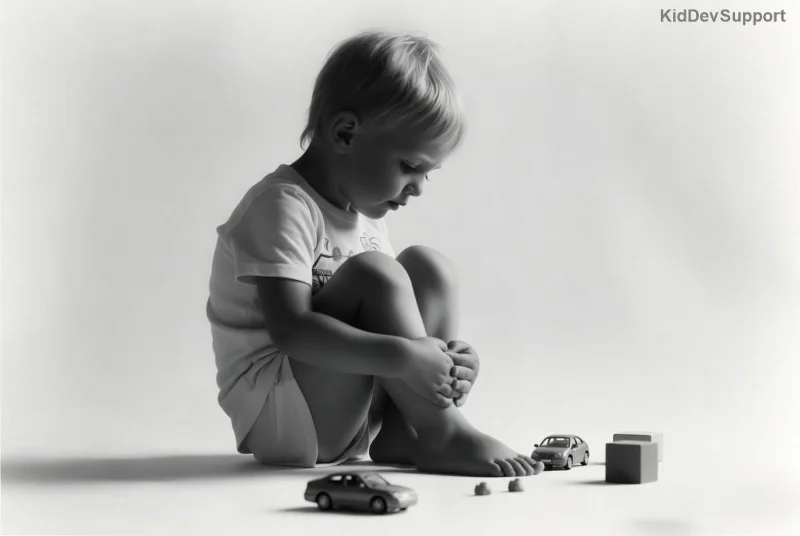
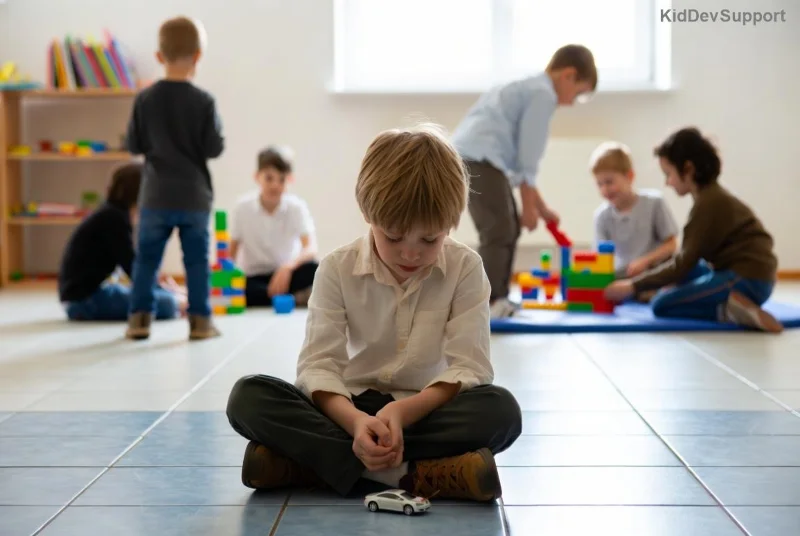
Imagine your child confidently tying their shoes, preparing a simple snack, or managing their daily routine without constant reminders. Building independent living skills early isn't just beneficial—it's transformative. Starting young sets the foundation for self-reliance, boosts confidence, and prepares kids for real-world challenges. Whether for neurotypical children or those on the autism spectrum, early intervention yields the best outcomes according to the latest child development research.
This guide dives straight into actionable steps. You'll discover why timing matters, key skills to prioritize, and tailored strategies that work. Ready to empower your child? Let's get started. 🏆

Why Encourage Independent Living Skills Early?
Early childhood is a critical window for brain development. Recent studies from leading pediatric organizations highlight that children who master basic independent living skills by age 5 show higher self-esteem, better problem-solving abilities, and smoother transitions to school. For kids with autism spectrum disorder (ASD), these skills reduce dependency and anxiety later in life.
Benefits include:
- Boosted Confidence: Small wins build big self-belief.
- Reduced Parental Stress: Less micromanaging means more family harmony.
- Long-Term Success: Prepares for adolescence and adulthood independence.
Don't wait—starting now creates habits that last a lifetime.
Essential Independent Living Skills to Teach First
Focus on age-appropriate basics. Here's a prioritized list for ages 2-7:
| Age Group |
Key Skill |
Why It Matters |
| 2-3 Years |
Self-Feeding & Dressing Basics |
Builds motor skills and autonomy. |
| 3-4 Years |
Toileting & Simple Hygiene |
Promotes health and privacy. |
| 4-5 Years |
Tidying Up & Following Routines |
Teaches responsibility. |
| 5-7 Years |
Basic Money Concepts & Safety Awareness |
Fosters decision-making. |
Use this table as your roadmap. Adapt for individual needs, especially in ASD where visual supports shine.
10 Proven Strategies to Encourage Independent Living Skills Early
These evidence-based tips draw from the latest guidelines by child psychologists and occupational therapists. Implement one at a time for best results.
- Visual Schedules & Charts: Use picture-based routines. Kids with autism thrive on predictability—printable templates are available from trusted sources like CDC resources.
- Task Breakdown: Break skills into tiny steps. Teach shoe-tying with a 5-step visual guide.
- Positive Reinforcement: Reward efforts with praise or stickers. "Great job putting away your toys!" builds motivation. ⭐
- Role Modeling: Narrate your actions: "Watch me wash my hands like this."
- Hand-Over-Hand Guidance: Gently assist, then fade support as they improve.
- Play-Based Learning: Turn chores into games, like "toy cleanup race."
- Timer Techniques: Use fun timers for tasks to encourage time management.
- Sensory-Friendly Tools: For ASD, choose adaptive utensils or clothing with easy fasteners.
- Daily Practice Rituals: Dedicate 10-15 minutes morning and evening.
- Track Progress: Weekly reviews celebrate growth and adjust plans.
![Young child learning self-care skills independently]()
Pro Tip: Consistency is key. Parents who stick to routines see 30-50% faster skill acquisition per recent therapy data.
Tailoring for Children on the Autism Spectrum
Children with ASD often need structured, repetitive approaches. The latest interventions emphasize Applied Behavior Analysis (ABA) combined with occupational therapy. Focus on:
- Social stories for new routines.
- Sensory integration activities to handle textures in self-care.
- Tech aids like apps for visual timers (e.g., Choiceworks).
For deeper insights, explore Autism Speaks toolkits, packed with free downloads.
Overcoming Common Challenges
Resistance is normal. Here's how to handle hurdles:
| Challenge |
Solution |
| Frustration or Meltdowns |
Pause, comfort, retry smaller steps. Use deep pressure hugs if sensory-seeking. |
| Lack of Motivation |
Pair with preferred activities: "Brush teeth, then iPad time." |
| Motor Delays |
Incorporate playdough or therapy balls for fine motor prep. |
Patience pays off. Track small victories to stay encouraged.
![Happy child achieving independence milestone]()
Real Results: Parent Testimonials & Next Steps
"My 4-year-old with autism now dresses himself daily—game-changer!" – Sarah, mom of two.
Ready to see similar wins? Start with one skill today. Download free visual aids from reputable sites and consult your pediatrician for personalized advice. Your child's path to independence begins now.
Final Thought: Early action today equals freedom tomorrow. Share your progress in the comments—what skill will you tackle first? 😊