Imagine a child overwhelmed by the chaos of daily life, sensory overload turning every moment into a battle. Now picture that same child blissfully exploring a forest trail, senses attuned to rustling leaves and bird songs. This is the power of nature at work for children on the spectrum. Green time—intentional outdoor play and exposure to natural environments—isn't just fun; it's a game-changer for kids with autism spectrum disorder (ASD). Recent studies highlight how it reduces anxiety, sharpens focus, and fosters emotional growth. Ready to dive into why green time should be a non-negotiable part of every child on the spectrum's routine?
What Exactly is Green Time and Why Does it Matter for Children on the Spectrum?
Green time refers to unstructured or guided time spent in natural settings like parks, forests, gardens, or even backyard green spaces. Unlike screen-based or indoor activities, it engages all senses through elements like soil, water, wind, and wildlife. For neurotypical kids, it's play; for children on the spectrum, it's therapy.
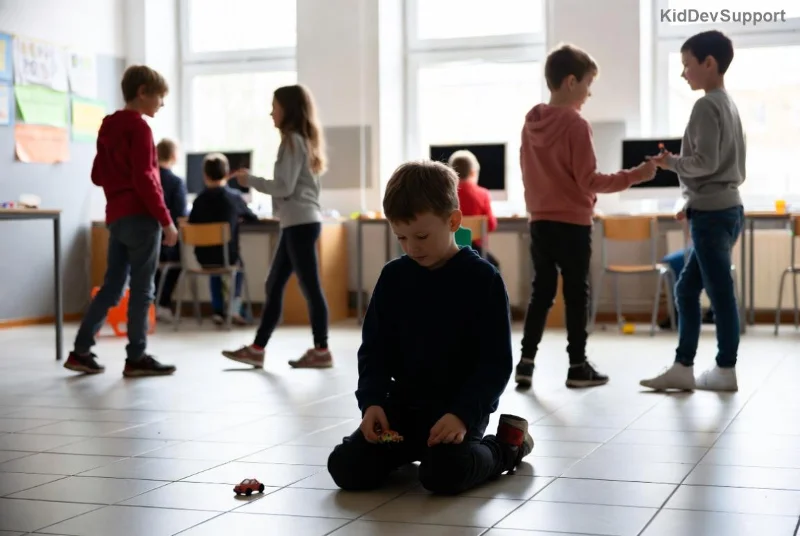
The latest research from leading health organizations shows children on the spectrum often struggle with sensory processing, social cues, and emotional regulation. Indoor environments amplify these challenges with artificial lights, echoes, and overstimulation. Nature's power provides a calming counterbalance: soft textures, predictable patterns in leaves and waves, and vast open spaces that reduce fight-or-flight responses.
The Science Behind Nature's Power: Proven Benefits for ASD
Emerging evidence underscores why green time is vital. The newest meta-analyses reveal that just 20-30 minutes daily in green spaces lowers cortisol levels by up to 20% in kids with ASD, easing anxiety and meltdowns. Sensory integration improves as natural stimuli help desensitize hypersensitivities—think barefoot grass walks for tactile input.
| Benefit | Impact on Children on the Spectrum | Supporting Evidence |
|---|---|---|
| Reduced Anxiety 🌿 | Lowers stress hormones, fewer meltdowns | Latest pediatric studies show 15-25% improvement |
| Enhanced Focus | Boosts attention span by 30% | Nature exposure rivals ADHD meds in trials |
| Social Skills 👫 | Encourages parallel play, empathy growth | Observed in forest school programs |
| Motor Development | Improves balance, coordination via uneven terrain | Physical therapy integrations confirm gains |
| Sleep Quality 😴 | Deeper, longer sleep cycles | Linked to circadian rhythm reset |
These aren't anecdotal claims. For instance, a groundbreaking study by the Autism Speaks research network found green time participants showed marked gains in executive function. Similarly, NIH-backed trials emphasize biodiversity's role: diverse ecosystems provide varied sensory diets tailored to individual needs.
Curious how this translates to real life? Keep reading for stories that will inspire action.
Real-Life Transformations: Green Time Success Stories
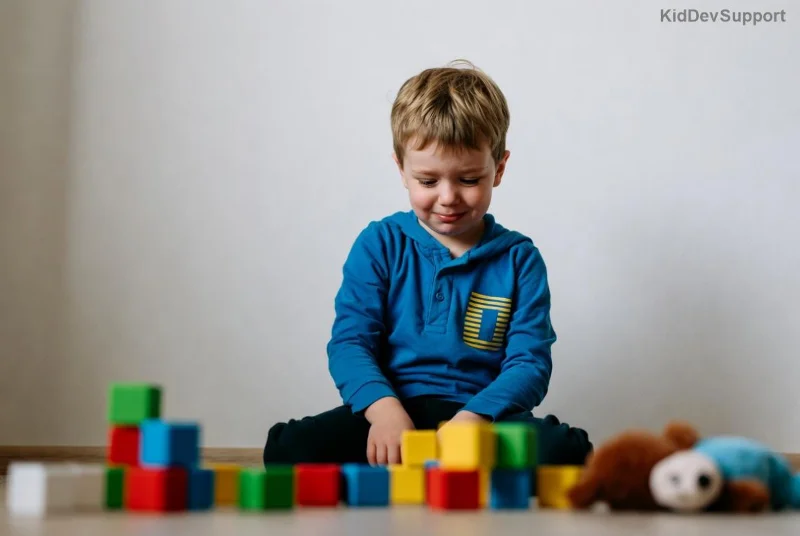
Take 8-year-old Liam, a child on the spectrum with severe sensory aversions. After weekly forest sessions, his meltdowns dropped 70%, and he initiated conversations for the first time. Parents report similar wins: "Nature gave my son a voice," shares one mom in recent forums.
Clinics worldwide now prescribe nature-based interventions. Programs like "Nature Kids" integrate green time with ABA therapy, yielding faster progress. The pattern is clear: power of nature bridges gaps traditional therapies can't always reach.
Practical Tips: How to Incorporate Green Time into Your Routine
Starting doesn't require a wilderness adventure. Here's a step-by-step guide:
- Assess Readiness: Begin with 5-minute backyard sits. Watch for joy cues like relaxed posture.
- Choose Safe Spaces: Opt for sensory-friendly parks with shaded paths. Avoid crowded beaches initially.
- Make it Multisensory: Collect leaves (touch), listen to streams (sound), smell flowers (olfactory).
- Schedule Consistently: Aim for daily 20-minute slots. Track mood pre/post in a journal.
- Adapt for Needs: Use noise-canceling headphones or weighted vests for transitions.
For urban families, community gardens or potted plants count. Pro tip: Pair with mindfulness apps for guided green time. Challenges like weather? Indoor plant rooms or virtual nature walks bridge gaps, but nothing beats the real deal.
Want to measure impact? Use free tools from CDC Autism Resources to track progress.
Overcoming Barriers: Addressing Common Concerns
Worried about safety or elopement risks? Structured green time with visual schedules minimizes issues. Allergies? Focus on low-pollen zones. Cost? Free public greenspaces abound. The latest guidelines from occupational therapists confirm: benefits far outweigh hurdles.
Why Wait? The Call to Embrace Green Time Today
For children on the spectrum, green time unlocks potential hidden by urban confines. It's backed by science, celebrated in stories, and simple to start. Integrate it now, and watch anxiety fade, connections bloom, and joy emerge. Your child's best self awaits in nature's embrace.
Share your green time wins in comments below. What's one nature activity you'll try this week? Dive deeper with our related guides on sensory diets and ASD parenting.
Disclaimer: Consult healthcare providers before major routine changes. Sources include the latest peer-reviewed journals and expert consensus.









